Key takeaways
- Structural load: Match the vine’s mature size and woody growth to the pergola’s construction; fast, heavy climbers need robust posts, beams, and overhead bracing.
- Climate fit: Check hardiness, frost sensitivity, and winter behavior before planting, especially with tropical flowering vines or evergreen varieties.
- Training effort: Look for a growth habit you can comfortably guide from ground level, using ties and a trellis rather than repeated ladder work.
- Maintenance: Consider pruning frequency, fallen leaves, seed drop, and whether the plant may spread beyond the intended growing area.
- Coverage goal: Choose flowering vines for decoration, dense foliage for shade and privacy, or a lighter annual mix when you want seasonal flexibility.
What's inside
A pergola vine has to do more than look attractive in a catalog photo. It must establish reliably, climb without becoming a maintenance problem, and coexist with the structure beneath it. A vigorous plant can provide welcome shade and privacy, but excessive weight, tangled growth, or invasive spread may strain a lightweight pergola and create constant pruning work.
This guide evaluates six popular options from an ergonomics-and-durability perspective, with attention to planting effort, growth habit, climate suitability, support requirements, and long-term upkeep. The best choice depends on whether you want seasonal color, fragrance, dense screening, or a manageable container-grown display.
As an Amazon Associate we earn from qualifying purchases.




🛒 Best Price Today on Amazon
Prime members get fast, free shipping on everything above, plus member-only deals. New members get a 30-day free trial — cancel anytime.
How to Choose a/an Climbing Vines For Pergola (2026)
- Structural load: Match the vine’s mature size and woody growth to the pergola’s construction; fast, heavy climbers need robust posts, beams, and overhead bracing.
- Climate fit: Check hardiness, frost sensitivity, and winter behavior before planting, especially with tropical flowering vines or evergreen varieties.
- Training effort: Look for a growth habit you can comfortably guide from ground level, using ties and a trellis rather than repeated ladder work.
- Maintenance: Consider pruning frequency, fallen leaves, seed drop, and whether the plant may spread beyond the intended growing area.
- Coverage goal: Choose flowering vines for decoration, dense foliage for shade and privacy, or a lighter annual mix when you want seasonal flexibility.
The Best Climbing Vines For Pergola (2026)s Reviewed
Boston Ivy Vine Seeds
Boston ivy is a strong candidate for gardeners seeking substantial seasonal coverage and privacy on a pergola or wall. Its clinging growth can reduce the need for extensive tie-ins, but that same vigor calls for a sound structure and regular edge pruning. Starting from seed is economical, although coverage will take patience rather than appearing immediately.
Thunbergia Grandiflora Plants
These two blue trumpet vine plants offer a faster visual effect than seed-grown options and are well suited to warm climates. Their large, vigorous growth can create excellent overhead screening, but the pergola should have a stable trellis system and enough clearance for routine trimming. They are best for buyers prepared to manage a high-energy climber.
Mixed Mandevilla Live Plants
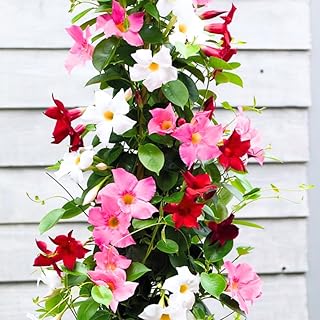
Mandevilla is a practical choice for sunny decks, patios, and pergolas where containers are preferred over permanent beds. The three-plant assortment can provide long-lasting flowers while keeping the root system easier to control, and moving containers indoors may be possible in cooler regions. Because it is warm-climate oriented, it is less suitable as a carefree year-round planting in frosty areas.
Wisteria Live Plants
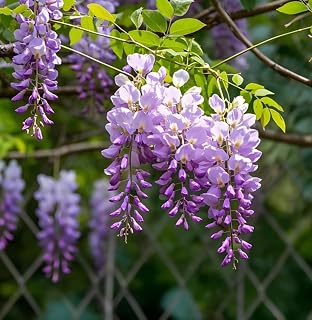
Wisteria delivers dramatic flowers and a mature, architectural presence, but it is not a lightweight decorative vine. These live plants require a genuinely strong pergola, deliberate training, and consistent pruning to prevent thick, heavy stems from overwhelming smaller structures. Choose it for long-term impact, not for the lowest-maintenance installation.
Climbing Jasmine Seeds
Climbing jasmine is appealing where fragrance and evergreen interest matter as much as shade. The large seed quantity supports multiple planting attempts or broader coverage, though germination and establishment may vary with conditions. Provide dependable support, sunlight appropriate to the variety, and enough room for pruning so the pergola remains accessible.
Frequently Asked Questions
Which pergola vine grows fastest?
Thunbergia grandiflora and wisteria can develop rapidly in suitable warm conditions, but speed is not the only consideration. Fast growth increases tying, pruning, and structural demands, so confirm that the pergola can handle the plant’s mature weight.
Are vines better planted in the ground or containers?
Ground planting generally supports stronger, fuller growth and reduces watering frequency. Containers offer better control and mobility, making them especially useful for mandevilla or for renters, but they require dependable drainage, heavier pots, and more frequent watering.
How can I protect a pergola from vine damage?
Install a separate trellis or wire grid slightly away from vulnerable surfaces, and use soft ties rather than tight wire. Inspect the plant several times each growing season, removing stems that enter gutters, joints, or areas where they can trap moisture.
Can a lightweight pergola support a mature vine?
Some can support modest seasonal growth, but woody climbers such as wisteria and established ivy may eventually exceed the capacity of thin posts or decorative lattice. If the structure flexes, leans, or shows splitting, select a lighter plant or reinforce the pergola before planting.
Final Thoughts
For substantial seasonal screening, Boston ivy is a compelling starting point; Thunbergia grandiflora suits warm-climate gardeners who want rapid coverage; and Mandevilla is the most flexible pick for sunny container displays. Whichever you choose, prioritize structural capacity and manageable training over sheer growth rate.