Key takeaways
- Growth force: Fast-growing vines provide shade sooner, but they require more frequent tying, pruning, and structural monitoring. Match vigor to the strength of your pergola.
- Attachment method: Twining and clinging vines behave differently. Clinging plants can mark or damage some finishes, while twining varieties usually need a trellis, wire, or regular hand-training.
- Climate fit: Check hardiness, winter temperatures, and summer heat before ordering. Warm-climate vines may perform beautifully in containers or seasonal displays but fail outdoors in cold regions.
- Maintenance reach: A pergola vine should be prunable from a stable standing position whenever possible. Avoid designs that force repeated ladder use for basic trimming.
- Load and drainage: Mature stems, wet foliage, and saturated containers add weight. Use sound posts, corrosion-resistant fasteners, and well-drained soil, especially with vigorous perennial vines.
What's inside
A pergola vine can transform an exposed frame into a cooler, more private outdoor room—but the wrong plant can also become a maintenance problem. Buyers often focus on flower color or growth speed while overlooking mature weight, attachment habits, root behavior, climate limits, and whether a pergola’s structure can safely support a vigorous climber.
This guide evaluates the listed vines from an ergonomics-and-durability perspective: how much training and pruning they demand, how well they suit common pergola materials, and how reliably they perform in the right climate. It also distinguishes fast coverage from long-term manageability, so you can choose a vine that improves the space rather than creating constant overhead work.
As an Amazon Associate we earn from qualifying purchases.




🛒 Best Price Today on Amazon
Prime members get fast, free shipping on everything above, plus member-only deals. New members get a 30-day free trial — cancel anytime.
How to Choose a Climbing Vine For Pergola (2026)
- Growth force: Fast-growing vines provide shade sooner, but they require more frequent tying, pruning, and structural monitoring. Match vigor to the strength of your pergola.
- Attachment method: Twining and clinging vines behave differently. Clinging plants can mark or damage some finishes, while twining varieties usually need a trellis, wire, or regular hand-training.
- Climate fit: Check hardiness, winter temperatures, and summer heat before ordering. Warm-climate vines may perform beautifully in containers or seasonal displays but fail outdoors in cold regions.
- Maintenance reach: A pergola vine should be prunable from a stable standing position whenever possible. Avoid designs that force repeated ladder use for basic trimming.
- Load and drainage: Mature stems, wet foliage, and saturated containers add weight. Use sound posts, corrosion-resistant fasteners, and well-drained soil, especially with vigorous perennial vines.
The Best Climbing Vine For Pergola (2026)s Reviewed
Boston Ivy Vine Seeds
Boston ivy is a strong choice when the goal is broad seasonal coverage and privacy across a wall, fence, or pergola. Its mature growth can become substantial, so it is best suited to a robust structure with a planned pruning routine; provide support while young and keep growth away from gutters, joints, and moving parts.
Thunbergia Grandiflora Blue Trumpet Vine
Also called sky vine or Bengal clock vine, this two-plant pack is appealing for warm climates where rapid coverage and large blue flowers are priorities. Its vigor makes it useful for shading a pergola, but the ergonomic trade-off is frequent redirecting and trimming, particularly where overhead growth could obstruct lighting or seating.
Wisteria Live Plants
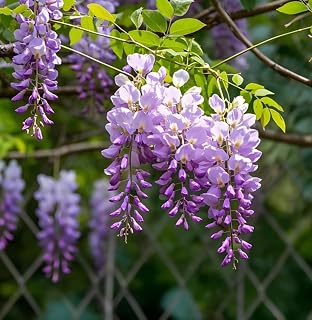
Wisteria offers exceptional longevity and dramatic flower clusters, making it a compelling choice for a permanently installed pergola built from substantial timber or metal. The three-plant pack can establish a striking display, but wisteria is not a low-effort vine: thickening trunks and heavy mature branches demand strong supports and disciplined pruning.
Mixed Mandevilla Live Plants
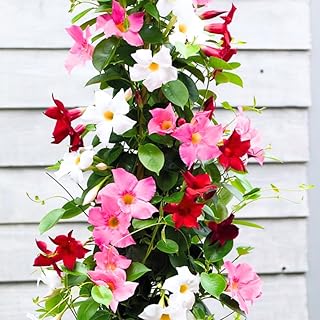
These three mandevilla plants suit homeowners who want long-lasting color without committing to a massive, permanent climber. They work particularly well in containers or on a lighter trellis, and their warm-zone rating makes them practical for seasonal patio use; in cooler regions, plan to move or replace them rather than expecting reliable winter survival.
American Purple Wisteria
The American purple wisteria plant is a good middle ground for buyers seeking the classic wisteria look in a single established specimen. Its trailing lavender-purple flowers can soften a pergola’s hard lines, but the plant still needs a durable framework, generous growing room, and annual training to prevent tangled, overly heavy growth.
Frequently Asked Questions
What is the best pergola vine for fast shade?
Thunbergia grandiflora and Boston ivy are strong candidates for quick visual coverage when grown in suitable conditions. Choose based on climate and structure: rapid growth is useful only if you can safely reach the plant for regular redirection and pruning.
Can a pergola support wisteria?
It can, provided the pergola is engineered for the plant’s mature weight. Wisteria should be installed on substantial posts and beams with dependable connections; lightweight decorative kits may bend, loosen, or deteriorate under years of woody growth and wet foliage.
Which vine is easiest for a patio pergola?
Mandevilla is often the most manageable option for a patio because it can be grown in containers and treated as a seasonal plant in cooler climates. Container growing also makes replacement, repositioning, and winter protection simpler.
Should vines grow directly on the pergola?
Usually, provide a dedicated support system such as galvanized wire, trellis panels, or removable ties. This protects painted and finished surfaces, makes pruning easier, and lets you control where stems cross beams, lights, roof panels, and drainage components.
Final Thoughts
For a durable, permanent installation, American purple wisteria offers a refined flowering display, while Boston ivy is better for broad coverage and privacy. If you prefer flexible patio use and easier seasonal control, the mixed mandevilla pack is the most forgiving choice—provided your climate and winter storage plan suit it.