Key takeaways
- Glide mechanism type: Sealed ball-bearing carriages run quieter for longer than exposed pin-and-bushing arms. If a listing mentions serviceable hardware or a metal-on-metal track with grease channels, that is a durability signal worth paying for.
- Seat depth and height: Measure from the back of your knee to your tailbone, then subtract two inches. Anything deeper forces you to perch or slouch. Seat height between 17 and 19 inches lets most adults stand without pushing off the arms, which is where frames crack first.
- Lumbar geometry: A removable lumbar pillow is a fix, not a feature. Look for a backrest with genuine curvature in the lower third, and treat the pillow as a way to fine-tune it rather than to compensate for a flat slab.
- Upholstery abrasion resistance: Chenille and corduroy hide wear well but pill under pet claws. Boucle looks superb and snags. Performance leather substitutes such as Leathaire wipe clean and breathe better than vinyl. Genuine leather costs more up front and outlasts all of them.
- Recline clearance and power draw: Power models need wall clearance plus a reachable outlet, and USB ports should be rated at 2.1A or higher to charge a phone at a useful rate. Manual mechanisms have fewer failure points if you would rather not depend on a motor.
What's inside
Most swivel gliders fail in the same three places, and none of them are visible in a product photo. The glide mechanism develops a click after a few thousand cycles, the seat foam takes a permanent set where your hips sit, and the swivel plate starts to lean because the base was sized for a 150-pound occupant rather than a 220-pound one plus a sleeping toddler. Add the fact that a glider is often used for hours at a stretch, in the dark, at 3 a.m., and small ergonomic compromises stop being small.
This guide looks at swivel gliders through two lenses: how the chair supports a body over long sessions, and how the moving parts hold up over years. Below you will find the models worth shortlisting for 2026, a checklist of the specs that actually predict comfort and longevity, and answers to the questions that come up most often once a chair is already in the room.
As an Amazon Associate we earn from qualifying purchases.


🛒 Best Price Today on Amazon
Prime members get fast, free shipping on everything above, plus member-only deals. New members get a 30-day free trial — cancel anytime.
How to Choose a/an Chair Swivel Glider (2026)
- Glide mechanism type: Sealed ball-bearing carriages run quieter for longer than exposed pin-and-bushing arms. If a listing mentions serviceable hardware or a metal-on-metal track with grease channels, that is a durability signal worth paying for.
- Seat depth and height: Measure from the back of your knee to your tailbone, then subtract two inches. Anything deeper forces you to perch or slouch. Seat height between 17 and 19 inches lets most adults stand without pushing off the arms, which is where frames crack first.
- Lumbar geometry: A removable lumbar pillow is a fix, not a feature. Look for a backrest with genuine curvature in the lower third, and treat the pillow as a way to fine-tune it rather than to compensate for a flat slab.
- Upholstery abrasion resistance: Chenille and corduroy hide wear well but pill under pet claws. Boucle looks superb and snags. Performance leather substitutes such as Leathaire wipe clean and breathe better than vinyl. Genuine leather costs more up front and outlasts all of them.
- Recline clearance and power draw: Power models need wall clearance plus a reachable outlet, and USB ports should be rated at 2.1A or higher to charge a phone at a useful rate. Manual mechanisms have fewer failure points if you would rather not depend on a motor.
The Best Chair Swivel Glider (2026)s Reviewed
Power Recliner Swivel Glider with USB, Boucle Cream
The generous seat pan and high back make this the pick for taller users who find nursery gliders cramped, and the USB port removes the cable-stretching problem entirely. The boucle is soft and visually warm, but treat it as a low-traffic fabric: keep claws and Velcro away from it and it will stay handsome.
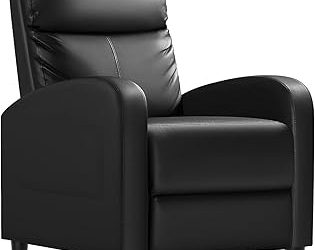
Leathaire Swivel Rocker Recliner, Brown
A manual mechanism means one less system to fail, and Leathaire’s coated fabric handles spills and skin oils far better than untreated upholstery, which matters for a chair used during feeding or eating. The backrest is softer than average, so try the lumbar area before committing if you need firm support.
CHITA Genuine Leather Power Recliner Swivel Glider
This is the long-horizon choice: real leather develops a patina instead of pilling, the FSC-certified frame speaks to sourcing discipline, and the adjustable manual headrest lets you set neck angle independently of recline. The best-supported chair here for anyone planning to keep it well beyond the nursery years.
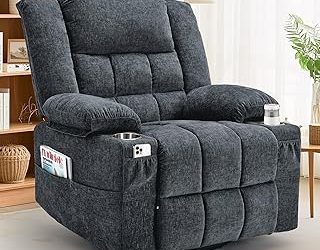
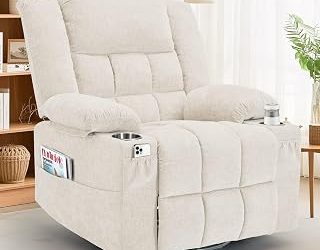
Korser Chenille Swivel Rocking Recliner, Beige
A genuinely compact footprint that still reclines properly, with sculpted armrests that give you something solid to push against when standing. Chenille is forgiving on marks and pressure lines, making this a sensible fit for apartments and smaller bedrooms.
Harkawon Swivel Rocker Recliner, Beige
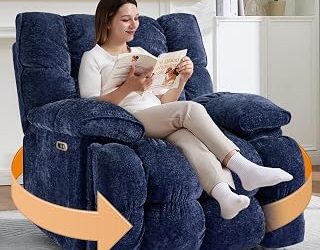
The deep seat and high back combination suits longer sitting sessions where you want head and shoulder contact, not just lumbar support. Balanced value if you want full-size comfort without stepping up to leather or powered controls.
Frequently Asked Questions
Why has my glider started squeaking?
Almost always a dry pivot or a loosened bolt rather than a broken part. Retorque the base and mechanism hardware after the first month and annually thereafter, then apply a lithium or silicone grease to the moving joints.
Does a swivel base reduce stability?
Not if the base diameter matches the seat width and the chair meets a stated weight capacity with margin. Instability usually traces to an undersized base plate or an occupant reclining while the chair is turned sideways to the wall.
Power or manual recline?
Power wins for effortless micro-adjustment and for anyone with limited grip or core strength. Manual wins on simplicity, cost, and placement freedom, since no outlet is required.
How much clearance does a glider need?
Allow four to six inches behind the chair for the glide arc and check the reclined depth spec, not the upright one. Side clearance should permit a full 360-degree rotation without contacting nightstands or trim.
Final Thoughts
For a chair meant to last a decade, the CHITA Genuine Leather Power Recliner Swivel Glider is the soundest investment, with the Boucle Power Glider with USB close behind if you want a softer look and integrated charging. In tighter rooms, the Korser Chenille Swivel Rocking Recliner delivers proper recline and support without dominating the floor plan.