Key takeaways
- Construction: Choose steel for tools, files, and heavier household supplies; plastic resists moisture, while engineered wood suits lighter indoor organization.
- Shelf support: Adjustable shelves are valuable only when their brackets seat securely and the shelf span will not sag under your intended load.
- Ergonomics: Check handle height, door swing, and shelf spacing so frequently used items can be reached without crouching, stretching, or moving other objects.
- Stability: Tall cabinets should have a broad footprint and, where possible, an anchoring option to reduce tipping risk when doors or drawers are opened.
- Environment: Match the material to the room. Humid basements and laundry areas favor rust-resistant or plastic construction, while dry living spaces allow more finish choices.
What's inside
Cabinet storage has to do more than hide clutter. A cabinet that flexes under load, pinches fingers, tips when opened, or wastes usable depth quickly becomes a daily annoyance—especially in garages, pantries, laundry rooms, and home offices. The right choice balances structural stiffness, shelf adjustability, door clearance, and the kind of maintenance the room demands.
This guide evaluates cabinet storage from an ergonomics-and-durability perspective. We focus on sensible access, stable construction, useful interior geometry, and practical placement rather than judging cabinets by appearance alone. The selections cover steel, engineered wood, and plastic options for different storage loads and environments.
As an Amazon Associate we earn from qualifying purchases.


Best Cabinet Storage (2026)
🛒 Best Price Today on Amazon
Prime members get fast, free shipping on everything above, plus member-only deals. New members get a 30-day free trial — cancel anytime.
How to Choose a Cabinet Storage (2026)
- Construction: Choose steel for tools, files, and heavier household supplies; plastic resists moisture, while engineered wood suits lighter indoor organization.
- Shelf support: Adjustable shelves are valuable only when their brackets seat securely and the shelf span will not sag under your intended load.
- Ergonomics: Check handle height, door swing, and shelf spacing so frequently used items can be reached without crouching, stretching, or moving other objects.
- Stability: Tall cabinets should have a broad footprint and, where possible, an anchoring option to reduce tipping risk when doors or drawers are opened.
- Environment: Match the material to the room. Humid basements and laundry areas favor rust-resistant or plastic construction, while dry living spaces allow more finish choices.
The Best Cabinet Storage (2026)s Reviewed
71-Inch Lockable Steel Storage Cabinet
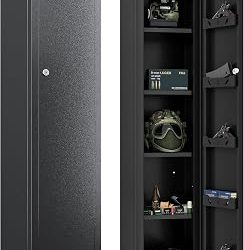
This tall metal cabinet is designed for users who need substantial vertical capacity without leaving tools and supplies exposed. Its five adjustable shelves offer flexible zoning, while the lockable two-door format is useful in shared garages, offices, gyms, or classrooms; anchor it securely if the cabinet will be loaded heavily.
Sauder Select Storage Cabinet
The Sauder Select is a more furniture-like choice for a pantry, utility area, or multipurpose room where a white finish matters. Its engineered-wood construction is best suited to dry indoor use and moderate loads, so it should not be treated like a workshop locker or exposed to persistent dampness.
Sterilite 4-Shelf Plastic Cabinet
Sterilite’s plastic cabinet is a practical low-maintenance option for laundry rooms, mudrooms, basements, and garages where occasional moisture is a concern. The lightweight construction makes repositioning easy, although it is better for cleaning products, paper goods, and household supplies than dense power tools or bulk hardware.
47-Inch White Metal Pantry Cabinet
This shorter steel cabinet provides a useful compromise between capacity and reachability. Its three adjustable shelves make it easier to separate appliances, cookware, food containers, or household supplies, while the white finish allows it to sit comfortably in a kitchen or dining area rather than looking strictly industrial.
Guizeeopo 71-Inch Metal Storage Cabinet
Guizeeopo’s tall black cabinet is a strong fit for users who want enclosed vertical storage in a garage, home office, or pantry. The adjustable shelving supports different-sized equipment and containers, but its height makes careful leveling and wall anchoring especially important in active households.
Frequently Asked Questions
Are metal storage cabinets better than wooden cabinets?
Not universally. Metal generally handles heavier loads, impacts, and workshop use better, while wood-based cabinets can blend into living spaces and offer a warmer appearance. The room’s humidity and the weight of the contents matter as much as the material.
Should a tall cabinet be anchored?
Yes, whenever the manufacturer provides an anchoring method, particularly if children may access the cabinet or heavy items will be stored high up. Open doors can shift the center of gravity, so a level floor and secure wall attachment improve stability.
How much weight can adjustable shelves hold?
Capacity varies by cabinet, shelf material, bracket design, and how evenly the load is distributed. Keep dense items low, avoid concentrating weight at the front edge, and consult the manufacturer’s stated limits rather than assuming every shelf has the same rating.
What is the best cabinet material for a damp basement?
Plastic is usually the simplest low-maintenance choice because it will not rust. Powder-coated steel can also work well if the finish remains intact and the cabinet is kept off standing water; engineered wood is less forgiving of sustained humidity or leaks.
Final Thoughts
For maximum capacity and security, the 71-Inch Lockable Steel Storage Cabinet is the strongest all-purpose pick. Choose the Sterilite 4-Shelf Plastic Cabinet for moisture-prone spaces and easy repositioning, or the Sauder Select Storage Cabinet when indoor appearance and moderate-duty organization take priority.