Key takeaways
- Seat width and depth: Measure your hips and add four inches of clearance. Standard chairs run around 26 inches wide; oversized models near 33 inches keep the side rails off your thighs, which is the single biggest comfort variable for anyone over 220 pounds.
- Frame construction: Look for powder-coated steel tubing with welded or riveted crossbraces rather than press-fit joints. Twist the frame diagonally before first use, any visible racking means the joints will loosen under repeated recline cycles.
- Fabric and suspension: Higher-denier polyester or 600D Oxford weave resists UV chalking and abrasion far better than lightweight mesh. Bungee-cord lacing distributes load evenly but stretches over time, so check that individual cords are replaceable.
- Lock mechanism: A friction or cam lock should hold your full weight without creeping. Test it at full recline, if the chair drifts back an inch when you settle in, it will drift further once the pivot surfaces polish.
- Load rating with headroom: Treat stated capacity as a lab figure and derate it by roughly 25 percent for dynamic use, sitting down hard, shifting, or leaning. A 500-pound rating is realistic insurance for a 250-pound user.
What's inside
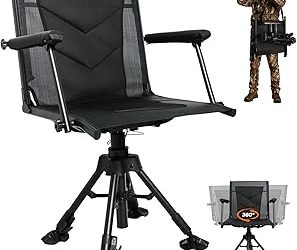
Most zero gravity chairs are sold on a promise: recline to roughly 120 degrees, get your knees above your heart, and let the frame carry your spine instead of your muscles. The problem is that a chair only delivers that neutral posture if the sling tension, hinge geometry, and seat depth actually match your body. Sit in a poorly proportioned unit and the front rail digs into the back of your knees, the headrest lands between your shoulder blades, and you spend the whole afternoon bracing rather than relaxing. Durability is the second trap. A chair that feels great in the driveway can develop frame flex, elongated bungee cord, and torn grommets after one season of sun and campground gravel.
This guide looks at zero gravity camp chairs the way a fixture buyer would: frame gauge and joint design, fabric denier and UV resistance, how the lock holds under load, and whether the adjustable pillow and armrest height genuinely support a relaxed spine. Below are the models worth your money in 2026, followed by the specific criteria that separate a chair you keep for five seasons from one you replace next spring.
As an Amazon Associate we earn from qualifying purchases.


How to Choose a Zero Gravity Camp Chair (2026)
- Seat width and depth: Measure your hips and add four inches of clearance. Standard chairs run around 26 inches wide; oversized models near 33 inches keep the side rails off your thighs, which is the single biggest comfort variable for anyone over 220 pounds.
- Frame construction: Look for powder-coated steel tubing with welded or riveted crossbraces rather than press-fit joints. Twist the frame diagonally before first use, any visible racking means the joints will loosen under repeated recline cycles.
- Fabric and suspension: Higher-denier polyester or 600D Oxford weave resists UV chalking and abrasion far better than lightweight mesh. Bungee-cord lacing distributes load evenly but stretches over time, so check that individual cords are replaceable.
- Lock mechanism: A friction or cam lock should hold your full weight without creeping. Test it at full recline, if the chair drifts back an inch when you settle in, it will drift further once the pivot surfaces polish.
- Load rating with headroom: Treat stated capacity as a lab figure and derate it by roughly 25 percent for dynamic use, sitting down hard, shifting, or leaning. A 500-pound rating is realistic insurance for a 250-pound user.
The Best Zero Gravity Camp Chair (2026)s Reviewed
Timber Ridge Oversized XXL Zero Gravity Chair
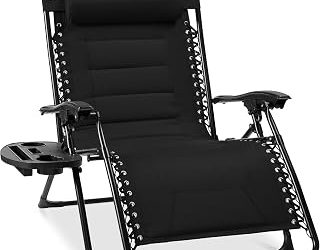
At 33 inches wide with a 500-pound rating and full-length padding, this is the structural benchmark of the group, the frame stays rigid through the recline arc and the side table sits at a usable height without cantilever wobble. Best suited to base camps and patios where you value stability over pack weight.
Best Choice Products Oversized Padded Zero Gravity Chair
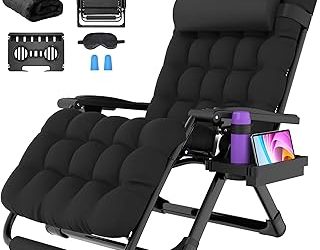
The XL polyester mesh seat breathes well in heat while the padded overlay bridges the crossbars, which is what prevents the pressure ridges you feel on bare-sling chairs. The removable headrest and side tray adjust independently, letting you dial in cervical support instead of accepting a fixed pillow position.
Oversized Padded Recliner with 600D Oxford Shell
The 600D Oxford fabric is the standout here, noticeably more abrasion- and fade-resistant than the thin weaves used at this size class, and the sliding headrest tracks smoothly along the frame. A strong pick if your chair lives outdoors year-round.
NEWBULIG Zero Gravity Chairs, Set of 2
The best value for couples and families: two mesh-back chairs with adjustable pillows and cup holder trays, folding flat enough to stack in a trunk. Expect standard-width seating rather than oversized comfort, so verify hip clearance before committing.
Nazhura Set of 2 Steel Mesh Zero Gravity Lounge Chairs
Clean steel-and-mesh construction with a simple, serviceable lock, and the pared-back build keeps weight low for shorter carries from car to site. The thin sling is the tradeoff, comfortable for a couple of hours, less forgiving on all-day sessions.
Frequently Asked Questions
Is a zero gravity chair actually better for your back?
Elevating the knees above the hips reduces lumbar disc pressure and flattens the pelvic tilt that causes lower-back fatigue in upright camp chairs. The benefit depends on correct seat depth, if the front rail compresses behind your knees, you lose most of it.
How long do the bungee cords last?
Expect two to four seasons of regular use before noticeable sag, faster with constant UV exposure. Storing the chair folded and out of direct sun roughly doubles that.
Can these chairs handle uneven campsites?
Yes, but wide feet or foot caps matter. On soft ground the rear tubes sink and shift the recline angle, so add a board or pad under the rear contact points on sand and loam.
Oversized or standard width?
Choose oversized if your hip measurement exceeds 22 inches or you plan to sit for more than an hour at a stretch. Standard widths are lighter and pack smaller, which suits transport-heavy trips.
Final Thoughts
For the best combination of frame strength and long-session comfort, the Timber Ridge XXL is the one I would buy and expect to keep. The Best Choice Products oversized recliner is the smarter pick if you want padded support with independent headrest adjustment at a lower price, and the NEWBULIG two-chair set remains the most sensible way to outfit a household without doubling your budget.