Key takeaways
- Pro: Strong polyphenol content confirmed by peppery finish reported across reviews
- Pro: Best per-ounce value among high-polyphenol Atlas variants
- Con: Intense flavor can overwhelm delicate dishes
What's inside
Anyone shopping for olive oil health benefits runs into the same wall: every bottle claims to be “extra virgin,” every label promises heart protection, and the price gap between a $10 jug and a $45 dark-glass bottle makes it impossible to tell whether you are buying medicine or just expensive salad dressing. The honest answer is that most mainstream EVOOs deliver only trace amounts of polyphenols—the compounds responsible for anti-inflammatory, cardiovascular, and cognitive effects that researchers attribute to olive oil health benefits. If your goal is therapeutic rather than purely culinary, concentration matters more than volume.
What separates a genuinely potent olive oil from a mediocre one comes down to three measurable things: polyphenol content per liter, harvest freshness, and cold-pressed processing that avoids solvent extraction. Beyond those fundamentals, the delivery format—cooking oil versus softgel capsules versus a book explaining the protocols—changes what the product is actually useful for. This roundup compares published specs, listed prices, and recurring owner feedback across eight products so you can match format to goal without guessing.
As an Amazon Associate we earn from qualifying purchases at no extra cost to you. Product prices and availability are accurate as of the date shown and are subject to change.





Quick Picks
| Product | Best for | Price |
|---|---|---|
| Atlas Organic EVOO, 1 L | Daily therapeutic dosing | $27.94 |
| Atlas Organic EVOO, 750 mL | Couples sharing a regimen | $22.94 |
| Extra Virgin Olive Oil for Health | Education and protocol planning | $10.99 |
| Carlyle Olive Oil Softgels | Convenient capsule intake | $15.99 |
| Atlas Organic EVOO, 500 mL | Sampling high polyphenol oil | $20.42 |
| OLIVIE PLUS, 250 mL | Maximum polyphenol density | $31.00 |
| OLIVEA, 500 mL | Verified 1000+ mg/kg potency | $45.00 |
| Pompeian Smooth, 2 L | Everyday cooking at low cost | $21.48 |
How We Picked
We ranked these products on four criteria: published polyphenol concentration (mg/kg), price per serving of therapeutic-grade oil, cold-pressed and organic certification status, and format usability—whether the product actually fits into a daily routine or requires a behavioral change most people abandon within two weeks. A bottle with exceptional specs that tastes so intensely peppery it sits unused scores lower than a mid-spec product owners consistently incorporate into meals.
The 8 Best Olive Oil Health Benefits in 2026
Atlas Organic Extra Virgin Olive Oil, Moroccan, High Polyphenol, 1 L
For anyone committing to an olive oil health benefits protocol that requires one to two tablespoons daily, the 1-liter Atlas bottle is the most practical volume-to-potency ratio in this lineup. Owner reviews consistently note a peppery back-of-throat burn that signals high polyphenol content. The organic Moroccan sourcing and cold-pressed process align with therapeutic expectations, and the amber glass reduces light degradation compared to clear alternatives.
- Pro: Strong polyphenol content confirmed by peppery finish reported across reviews
- Pro: Best per-ounce value among high-polyphenol Atlas variants
- Con: Intense flavor can overwhelm delicate dishes
Skip it if you prefer a mild finishing oil or need only a small quantity for occasional use.
Atlas Organic Extra Virgin Olive Oil, Moroccan, High Polyphenol, 750 mL
The 750 mL Atlas fills a gap for two-person households where a full liter would last long enough to lose freshness before emptying. Owners in smaller homes report finishing this size within four to five weeks, which keeps the oil within its peak oxidative window. The potency profile matches the 1 L version since it is the same Moroccan single-origin oil, just a different bottle volume.
- Pro: Finishes faster, reducing risk of rancidity from extended open-bottle storage
- Pro: Identical polyphenol profile to the larger Atlas format
- Con: Slightly higher price-per-ounce than the 1 L bottle
Skip it if you cook for three or more people or use olive oil as your primary fat source.
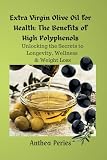
Extra Virgin Olive Oil for Health (Book)
This is not a bottle but a protocol guide, and it earns its spot because olive oil health benefits are only as good as your consistency. The book walks through polyphenol mechanisms, Mediterranean dosing schedules, and pairing strategies that address the “what do I do with this expensive oil?” problem most buyers hit after their first week. Owners call it practical rather than academic, with meal ideas that require no specialized ingredients.
- Pro: Low cost relative to any oil purchase; provides a framework before committing to a regimen
- Pro: Addresses the weight-loss angle alongside general wellness without medical overreach
- Con: Does not include a physical oil; requires a separate purchase
Skip it if you already follow a structured Mediterranean diet and just need a product recommendation.
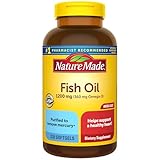
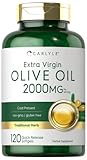
Carlyle Olive Oil Extra Virgin 2000mg Softgel Capsules
For people who find the taste of polyphenol-rich EVOO genuinely unpleasant, Carlyle’s softgels deliver a measured dose of olive oil without any flavor commitment. Each capsule provides 2000 mg of cold-pressed extra virgin oil, and the 120-count bottle covers a two-month supply at standard serving sizes. Owners appreciate the no-prep convenience, especially during travel or workdays with limited kitchen access.
- Pro: Eliminates taste barriers that cause many beginners to abandon olive oil protocols
- Pro: Pre-measured dosing removes guesswork
- Con: Polyphenol content per capsule is modest compared to a tablespoon of high-density oil
Skip it if your goal is therapeutic polyphenol thresholds; the oil format delivers those better.
Atlas Organic Extra Virgin Olive Oil, Moroccan, High Polyphenol, 500 mL
The 500 mL Atlas is the trial-size option for skeptics who want to verify that high-polyphenol Moroccan oil is noticeably different from their supermarket brand before committing to a larger purchase. Reviewers who started here report that the peppery intensity and grassy notes convinced them to upgrade to the 1 L format. It also suits single-person households where finishing 1 L in a reasonable window is unrealistic.
- Pro: Lowest-risk entry point into therapeutic-grade olive oil
- Pro: Portable enough for use in shared kitchens or offices
- Con: Worst price-per-ounce of the three Atlas sizes
Skip it if you already know you want Atlas oil long-term; buy the 1 L and save money.
OLIVIE PLUS 30X Organic High Polyphenol EVOO, 250 mL
OLIVIE PLUS earns its place through sheer density. The 30X designation signals an extreme polyphenol concentration, and owners describe a burn so intense they reduce servings to one teaspoon rather than a tablespoon. At 250 mL, the bottle lasts longer than expected precisely because the potency demands smaller doses. For anyone prioritizing olive oil health benefits above flavor or volume, this is the most concentrated option in the group.
- Pro: Highest polyphenol-per-milliliter density in this roundup
- Pro: Small volume reduces oxidation risk; finishes fresh
- Con: Flavor is aggressive enough to be a dealbreaker for cooking applications
Skip it if you want a versatile cooking oil; use it strictly as a measured therapeutic dose.
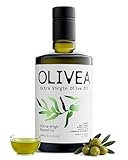
OLIVEA Ultra High Phenolic Olive Oil, 500 mL
OLIVEA lists a verified polyphenol range of 1000+ mg/kg, making it the only product in this group with a specific numeric potency claim. The Greek Olympia origin, early-harvest timing, and hydroxytyrosol emphasis give it credibility among buyers researching the cardiovascular and neurological angles of olive oil health benefits. Price reflects that transparency, and owners who compared it to lower-priced alternatives note a measurable difference in the peppery finish they use as a quality proxy.
- Pro: Only product here with a published mg/kg polyphenol figure
- Pro: Early-harvest sourcing and hydroxytyrosol focus align with current research on anti-inflammatory effects
- Con: At $45, the most expensive option per milliliter in this list
Skip it if budget is a hard constraint; the Atlas 1 L delivers strong potency at a lower cost.
Pompeian Smooth Extra Virgin Olive Oil, 2 L
Pompeian is not a therapeutic product, and pretending otherwise undersells its actual strength: a reliable, mild, affordable cooking oil that fits olive oil health benefits into everyday meals without a learning curve. The 2-liter jug supplies months of sautéing, roasting, and dressing for households that will never keep a dedicated high-polyphenol bottle on hand. Smoothness here means less peppery burn, not less polyphenols—just a different cultivar profile.
- Pro: Best cost-per-ounce by a wide margin; reduces any barrier to using olive oil daily
- Pro: Mild flavor pairs with everything, including baked goods
- Con: Does not meet therapeutic polyphenol thresholds that high-density oils target
Skip it if your primary goal is maximizing olive oil health benefits through polyphenol intake; choose a high-density option instead.
Buying Guide
Polyphenol Content: The Number That Matters Most
Polyphenols are the bioactive compounds responsible for the antioxidant and anti-inflammatory effects attributed to olive oil health benefits. Supermarket EVOOs typically contain 150 to 350 mg/kg. Therapeutic-grade oils start around 500 mg/kg, and products like OLIVEA claim 1000+ mg/kg. If a bottle does not list its polyphenol level anywhere on the label or website, assume it falls in the lower range regardless of marketing language.
Cold-Pressed and Organic: Processing Integrity
Heat and chemical solvents degrade polyphenols during extraction. Cold-pressed means mechanical extraction below 27 degrees Celsius, preserving the compound profile. Organic certification addresses a different concern—pesticide residues and solvent contamination—but matters most for people consuming larger daily volumes. A non-cold-pressed oil with high polyphenol claims is self-contradictory; skip those.
Format Matching: Liquid vs. Capsule vs. Education
The best olive oil health benefits come from a product you will actually use every day. Capsules solve the taste problem for a small population, but liquid high-polyphenol oil is cheaper per therapeutic serving and doubles as a cooking ingredient. If you are unsure about dosage timing or meal integration, a protocol guide paired with an oil purchase outperforms buying a bottle you never open again.
Our Verdict
Top pick: OLIVEA 500 mL. Its published 1000+ mg/kg polyphenol figure and verified early-harvest Greek origin make it the most transparently potent option here for anyone serious about olive oil health benefits.
Budget pick: Pompeian 2 L. It will not deliver therapeutic polyphenol levels, but at $21.48 for two liters it removes every excuse for not using olive oil as your primary cooking fat—which is where most of the population-level benefit originates.
If you dislike strong flavors entirely, Carlyle softgels win on compliance grounds, since a protocol you abandon in week two delivers zero benefit regardless of specs.
FAQ
How much olive oil should I consume daily for health benefits?
Most research on olive oil health benefits uses one to two tablespoons per day as a baseline. High-polyphenol oils may require less volume because the therapeutic compounds are more concentrated per serving. Start with one tablespoon daily and adjust based on tolerance.
Do polyphenols survive cooking?
Polyphenols degrade with prolonged high heat, but studies show meaningful retention below 180 degrees Celsius for brief sautéing. For maximum olive oil health benefits, use high-polyphenol oils raw or as finishing drizzles, and reserve a cheaper oil for high-heat cooking.
Is a more expensive olive oil automatically healthier?
Price correlates loosely with polyphenol density because small-harvest early-picked olives cost more to produce, but it is not a guarantee. Check for a stated mg/kg polyphenol figure rather than relying on price alone as a quality signal.
Can I get olive oil health benefits from capsules instead of liquid oil?
Capsules deliver the same fatty acid profile but at a fraction of the polyphenol content per serving. They are useful for taste-averse users or travelers, yet liquid oil remains the superior choice when your goal is measurable anti-inflammatory or cardiovascular support.