Key takeaways
- 2 Visors Included: Clear + Smoked and 1…
- Streamlined Aerodynamic Design Reduces Wind Noise and Drag
- Advanced and Lightweight Durable ABS Shell
Shopping for best motorcycle helmets means navigating a crowded market where a $37 open-face shell and a $170 full-face helmet both carry DOT certification, yet they protect your face and neck differently under impact. The concrete problem for most riders is finding a helmet that meets legal safety standards, fits comfortably over long stretches, and does not require paying a premium for brand recognition alone — especially if you are commuting, running errands on a scooter, or riding a mid-range street bike without a windscreen that would justify a premium aerodynamic shell.
What separates a worthwhile helmet from a wasted purchase is usually a combination of shell construction, visor system quality, ventilation effectiveness, and fit consistency across head shapes. Many budget helmets use the same basic DOT-certified shell but differ sharply in the quality of their interior padding, the ease of visor replacement, and whether the chin bar stays firm during a low-speed tumble. Owner feedback on these models tends to cluster around comfort over time rather than initial impressions, which is the signal that matters most when you are spending real hours in the saddle.
Our top picks
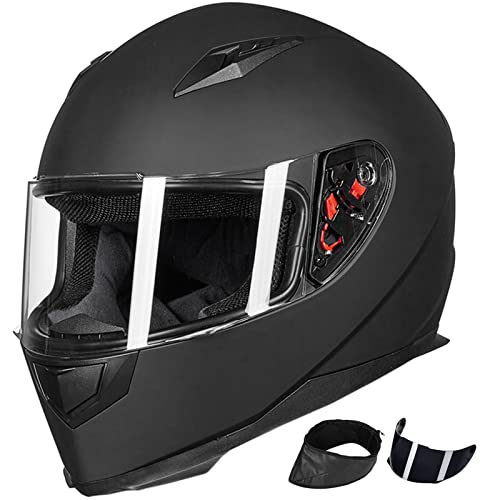 ILM Full Face Motorcycle Helmets for Adult
- 2 Visors Included: Clear + Smoked and 1…
- Streamlined Aerodynamic Design Reduces Wind Noise and Drag
- Advanced and Lightweight Durable ABS Shell
 Modular Flip up Motorcycle Helmets for Men
- Unmatched Protection & Durability:Built Tough for Extreme Adventures,…
- Convenient Flip-Flop Mechanism: Easy Switching Between Full-Coverage Helmet…
- Stay Cool and Comfortable with Strategically Placed Vents…
 Cartman Motorcycle Open Face Helmet with Sun
- Advanced Safety Design: Combines a lightweight ABS outer…
- DOT Approved, Clear Vision: Meets DOT standards, with…
- Easy Quick Release: Convenient quick-release chin strap with…
| Product | Key specs | |
|---|---|---|
| ILM Full Face Motorcycle Helmets for Adult | 2 Visors Included: Clear + Smoked and 1… Streamlined Aerodynamic Design Reduces Wind Noise and Drag Advanced and Lightweight Durable ABS Shell | Check price |
| Modular Flip up Motorcycle Helmets for Men | Unmatched Protection & Durability:Built Tough for Extreme Adventures,… Convenient Flip-Flop Mechanism: Easy Switching Between Full-Coverage Helmet… Stay Cool and Comfortable with Strategically Placed Vents… | Check price |
| Cartman Motorcycle Open Face Helmet with Sun | Advanced Safety Design: Combines a lightweight ABS outer… DOT Approved, Clear Vision: Meets DOT standards, with… Easy Quick Release: Convenient quick-release chin strap with… | Check price |
 TRIANGLE Full Face Motorcycle Helmet DOT Approved TRIANGLE Full Face Motorcycle Helmet DOT Approved | 【DOT Certified & High-Impact Protection】 This full face… 【Optimized Airflow for All-Weather Riding】 Experience superior ventilation… 【Quick-Release Dual Visor System】 Adapt to any light… | Check price |
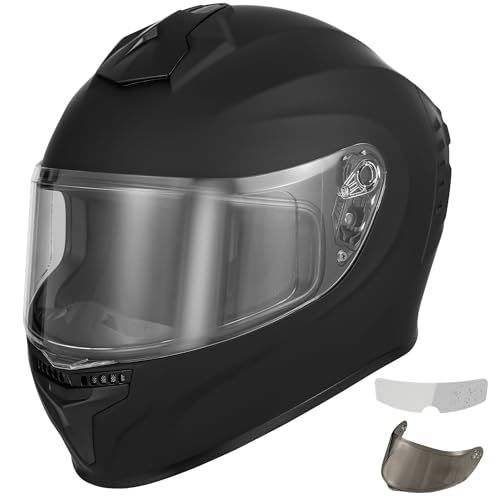 Favoto Full Face Motorcycle Helmet DOT with Favoto Full Face Motorcycle Helmet DOT with | 【Impact Protection】DOT FMVSS-218 certified full face motorcycle helmet… 【Dual Visor System】Features both a clear anti-fog inner… 【Comfortable All-Day Fit】Lightweight design at just 1,510g reduces… | Check price |
 LS2 Helmets Stream II Full Face Motorcycle LS2 Helmets Stream II Full Face Motorcycle | High tech, aerodynamic, sport styled Kinetic Polymer Alloy… AREM rotational energy management meets ECE 22.06 standards Dynamic, flow-through ventilation | Check price |
 VEVOR Full Face Motorcycle Helmets VEVOR Full Face Motorcycle Helmets | DOT-Certified Security: This VEVOR full face motorcycle helmet… Interchangeable Outer Visor: Our adult dirt bike helmet… Comfort-Focused Design: Bluetooth speaker pockets and eyeglass-friendly fit… | Check price |
 Bell Qualifier Helmet Bell Qualifier Helmet | Typical offering requires additional padding sizes to accommodate… IONIC+ PADDING Meets Federal Motor Vehicle Safety Standard 218 (FMVSS… | Check price |
As an Amazon Associate we earn from qualifying purchases at no extra cost to you.
Quick Picks
| Product | Best for | Price |
|---|---|---|
| ILM Full Face ILM-313 | Riders wanting full-face coverage on a tight budget | $69.99 |
| Modular Flip Up DOT Approved | Commuters who talk and drink at stops | $69.99 |
| Cartman Open Face with Sun Visor | Short urban rides at low speed | $37.99 |
| TRIANGLE Full Face DOT | Street bike riders who prioritize shell rigidity | $65.99 |
| Favoto Full Face with Dual Visors | Riders who want anti-fog and sun protection combined | $69.99 |
| LS2 Stream II Full Face | Step-up buyers wanting brand reputation and better ventilation | $169.98 |
| VEVOR Full Face Lightweight | Lightweight comfort for shorter riders or dirt bike use | $40.90 |
| Bell Qualifier Matte Black | Riders prioritizing name-brand reliability and resale value | $149.95 |
How We Picked
We compared published shell material claims, weight figures where provided, visor system types, ventilation port counts, and aggregate owner feedback on long-term comfort and durability. The four criteria that matter most in this category are: certified impact protection level, fit and padding quality over extended wear, visor clarity and ease of operation with gloves, and overall value relative to the price bracket. A helmet that checks only one or two of these boxes tends to generate repeat complaints in reviews.
The 8 Best Motorcycle Helmets in 2026
ILM Full Face Motorcycle Helmet (ILM-313)
This is the default recommendation for riders who need full-face protection without crossing the $75 threshold. The dual-visor setup handles sun and clear scenarios, and the shell shape receives consistent praise for aerodynamic stability at highway speeds. Owner feedback highlights the removable washable liner as a genuine maintenance advantage. The interior padding is adequate but not plush, and some riders with rounder head shapes report pressure points on the forehead during the first few weeks of break-in.
- Dual visor system with easy switching between clear and tinted
- Aerodynamic shell design praised for wind noise reduction
- Padding can feel firm and requires a break-in period
Skip this if you have a distinctly oval head shape or plan to wear glasses regularly without removing them.
Modular Flip Up Motorcycle Helmet
The flip-up mechanism is the primary draw here. Commuters who stop frequently at drive-throughs, toll booths, or gas stations appreciate not having to remove the entire helmet. The chin bar locks forward for full-face protection mode and flips up for conversation. The trade-off is added weight compared to fixed-shell helmets and a slightly compromised seal around the mouth when in closed position.
- Flip-up chin bar with secure locking mechanism in both positions
- Versatile for riding, talking, and drinking without full removal
- Noticeably heavier than comparable fixed-shell alternatives
Skip this if you ride predominantly on twisty roads where headweight matters and you rarely need to stop mid-ride.
Cartman Motorcycle Open Face Helmet
At the lowest price point in this roundup, the Cartman open face makes sense for riders on scooters, low-displacement motorcycles, or those covering short distances at reduced speeds. The quick-release buckle is a genuine convenience feature. The sun visor is integrated rather than flip-down, which limits its usefulness in rapidly changing light. Face and jaw receive no shell protection, which is the fundamental limitation of this style regardless of build quality.
- Quick-release buckle works well with thick riding gloves
- Excellent ventilation for warm-weather riding
- No chin or face protection in impact scenarios
Skip this if you ride above 50 mph regularly or encounter highway traffic, where face protection becomes non-negotiable.
TRIANGLE Full Face Motorcycle Helmet
The TRIANGLE earns attention for its shell construction, which owners describe as notably rigid compared to similarly priced alternatives. The street bike orientation means the design favors a slightly aggressive riding posture with good forward visibility. Ventilation is functional but minimal, and the single visor means you will need separate eye protection when the sun drops low.
- Shell rigidity praised by owners as above average for the price
- Comfortable fit for the majority of standard head shapes
- Single visor limits utility in changing light conditions
Skip this if you ride into sun frequently or want built-in tint options without a secondary visor system.
Favoto Full Face Motorcycle Helmet
The dual-visor configuration is the headline feature, with a retractable internal sun shield behind a clear outer visor. Owners appreciate the ability to transition from shade to open sunlight without pulling over or swapping eyewear. The shell finish receives positive comments, and the overall build feels a step above generic alternatives. Ventilation ports are present but produce noticeable airflow only at higher speeds.
- Integrated retractable sun visor eliminates separate sunglasses
- Clean finish and build quality exceed typical expectations at this price
- Ventilation is marginal at city speeds under 35 mph
Skip this if you ride mostly in stop-and-go traffic where the sun visor gets used rarely and airflow matters more.
LS2 Helmets Stream II Full Face
LS2 brings established brand infrastructure to this segment, including spare parts availability and a recognized warranty process. The Stream II features a larger eye port than most competitors, improving peripheral visibility. The SunShield integration works smoothly, and the ventilation system is more effective than budget rivals. The price is roughly double what you would spend on the other full-face options here, which buys refinement rather than a fundamentally different protection level.
- Wider eye port enhances peripheral awareness in traffic
- Effective multi-port ventilation for warm-weather riding
- Price sits in a different tier without doubling impact protection
Skip this if your budget caps at $80 and you only need DOT-level protection rather than a premium brand experience.
VEVOR Full Face Lightweight Helmet
The VEVOR targets riders who want reduced head weight, a meaningful factor on longer rides or for smaller-framed riders who experience neck fatigue from heavier shells. The clear visor is functional, and the overall design is straightforward without gimmicks. Interior padding is thin, which keeps weight down but reduces the plush feel many riders want for extended trips. The shell shape suits upright riding positions well.
- Lightweight construction reduces neck strain on longer rides
- Straightforward design with no confusing mechanisms to break
- Thin padding can feel harsh on rough roads after extended use
Skip this if you plan multi-hour rides on uneven pavement where thicker padding becomes a comfort necessity.
Bell Qualifier Helmet
Bell occupies the most recognized name in this group, and the Qualifier benefits from that reputation through proven design language and consistent quality control. The SpeedView internal sun visor operates via a thumb slider that works well with gloves. Owners report that this helmet lasts multiple seasons without padding degradation. The price reflects the brand premium rather than a dramatically different protection profile compared to cheaper full-face options.
- Proven brand quality control and long-term durability reports
- Smooth-operating internal sun visor with glove-friendly slider
- Priced nearly double similar-configuration competitors without ECE rating
Skip this if you are on a strict budget and do not value brand name for peace of mind or resale potential.
Buying Guide
Shell Type and Impact Protection
Full-face helmets provide the most comprehensive protection because the chin bar absorbs impact energy that would otherwise transfer directly to your jaw and lower face. Open-face and modular helmets trade some protection for convenience. If you ride a motorcycle at any meaningful speed or encounter highway traffic, a full-face shell should be your baseline. The DOT certification on all products here confirms minimum legal impact standards, but the shape and coverage of the shell matter just as much as the certification itself.
Visor Systems and Visibility
The visor is your window into traffic, and its quality determines whether you see clearly at dawn, dusk, and midday without constant adjustment. External flip-down visors and internal sun shields each have trade-offs: external visors offer more color options but can fog, while internal shields eliminate fog risk but limit optical quality. Look for a visor that operates easily with thick gloves on and does not require removing it entirely to switch between clear and tinted configurations.
Fit, Ventilation, and Long-Term Comfort
A helmet that fits your specific head shape matters more than any spec sheet. Try before buying when possible, or order from retailers with generous return policies. Ventilation quality is the most underappreciated comfort factor — poor airflow turns a short ride into a sweaty, distracted experience. Check for intake ports above the brow and exhaust vents at the rear. The padding should feel snug initially; all helmets loosen slightly after a few weeks of use.
Our Verdict
For most riders seeking best motorcycle helmets in this price-sensitive segment, the ILM Full Face ILM-313 delivers the strongest balance of protection, visor versatility, and aerodynamic comfort at under $70. The budget pick is the VEVOR Full Face Lightweight at $40.90, which cuts unnecessary weight and keeps you in full-face protection without a premium markup. However, if you ride frequently in changing light conditions and value a recognized brand with proven durability, the Bell Qualifier earns its higher price through a superior visor mechanism and padding that holds up season after season.
FAQ
Is DOT certification sufficient for highway riding?
DOT certification is the legal minimum in the United States and covers basic impact and penetration standards. It is sufficient for legal compliance, but riders who want additional protection layers can look for ECE 22.06 rated helmets, which apply stricter multi-impact testing. None of the products in this roundup carry ECE certification, so all are DOT-level only.
How often should I replace my motorcycle helmet?
Manufacturers generally recommend replacing a helmet every five years regardless of visible damage, because the interior foam degrades over time from sweat, UV exposure, and temperature cycling. If you experience any impact, even a low-speed drop, replace the helmet immediately since the shell may have micro-fractures that compromise the next impact.
Can I wear glasses inside any of these helmets?
Most full-face helmets accommodate standard eyeglasses by routing the arms through dedicated grooves in the cheek pads. The ILM, Favoto, and Bell Qualifier have this feature. Open-face and modular designs generally work well with glasses without special provisions. Riders with thick temple arms or wraparound frames may need to remove glasses before donning the helmet regardless of model.
Do expensive helmets actually provide better protection?
Within the DOT-certified range shown here, the difference in raw impact protection between a $40 helmet and a $170 helmet is minimal. What you pay more for is comfort features, better ventilation, higher-quality visor systems, lighter shell materials, and more consistent fit across production runs. The $170 LS2 and $150 Bell do not survive a crash twice as well as the $70 ILM, but they are noticeably more pleasant to wear every day.