Key takeaways
- How to Choose Outdoor TV Antennas: What Actually Matters
- How to Choose Outdoor Rocking Chairs: What Actually Matters
- How to Choose Outdoor Pizza Oven Tables: What Actually Matters
- How to Choose Outdoor Rocking Chairs for Porches: What Actually Matters
- How to Choose Heavyweight Premium Outdoor Sofa Cover Collections: What Actually Matters
What's inside
- Understanding Capacity vs. Usable Interior Space
- Material Durability: Resin vs. Wood vs. Metal
- Weatherproofing and Water Resistance Realities
- Weight Capacity and Seating Ergonomics
- Latch Mechanisms, Hinges, and Safety Stays
- Placement and Environmental Considerations
- When It Is Worth Spending More
- Related Guides
- FAQ
- Related Guides
Finding the right piece of dual-purpose patio furniture can transform a cluttered deck into a clean, functional retreat. An outdoor storage bench offers a smart solution by combining comfortable seating with hidden containment for cushions, pool toys, and gardening tools. However, not all benches are created equal, and shopping for one requires looking past sleek product photos to focus on structural integrity and real-world performance.
- Understanding Capacity vs. Usable Interior Space
- Material Durability: Resin vs. Wood vs. Metal
- Weatherproofing and Water Resistance Realities
- Weight Capacity and Seating Ergonomics
- Latch Mechanisms, Hinges, and Safety Stays
- Placement and Environmental Considerations
- When It Is Worth Spending More
- Related Guides
- FAQ
- Related Guides
The market offers an overwhelming array of styles, materials, and price points. Making the right choice means evaluating how the bench will handle local weather patterns, daily wear and tear, and storage capacity needs. This guide cuts through the marketing noise to break down the exact specifications, design elements, and quality markers that matter most before you spend your money.
As an Amazon Associate we earn from qualifying purchases at no extra cost to you. Product prices and availability are accurate as of the date shown and are subject to change.
Understanding Capacity vs. Usable Interior Space
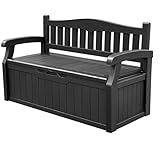
Manufacturers often list overall exterior dimensions, but the number that truly matters is the usable interior volume, typically measured in cubic feet. Before buying, take inventory of the exact items you plan to store. Deep, bulky items like lounge chair cushions require wide openings and unobstructed interior cavities. Watch out for internal support beams, armrest intrusions, or hydraulic arms that eat into the storage space. A bench might boast a large footprint, but if internal structural walls divide the space awkwardly, you may struggle to fit standard-sized items inside.
Material Durability: Resin vs. Wood vs. Metal
Your climate and maintenance tolerance should dictate your material choice. Resin and high-density polyethylene models offer supreme weather resistance, requiring little more than a seasonal soap-and-water wash, though cheaper plastics can degrade or fade under intense, unyielding ultraviolet rays over time. Natural hardwoods like teak, acacia, and eucalyptus provide a luxurious, traditional aesthetic and exceptional strength, but they demand annual oiling or sealing to prevent graying and moisture damage. Metal benches, usually constructed from powder-coated steel or aluminum, offer incredible durability and a modern look, but poor finishes can scratch and lead to rust if exposed to constant coastal air or standing water.
Weatherproofing and Water Resistance Realities
One of the most common complaints about outdoor storage benches is water leakage during heavy downpours. It is vital to understand that most consumer storage benches are weather-resistant rather than completely waterproof. If you live in an area prone to severe rain or snow, look for models featuring overlapping lid designs, tongue-and-groove panel construction, or integrated rubber gaskets that create a tighter seal. For ultimate protection of expensive cushions and textiles, consider placing items inside heavy-duty waterproof storage bags within the bench rather than relying solely on the enclosure.
Weight Capacity and Seating Ergonomics
A storage bench must serve its primary function as a reliable seat before anything else. Always check both the static weight capacity (how much weight the bench can hold while sitting still) and the total weight capacity for the lid. Benches constructed with flimsy plastic walls or thin wood slats can sag under heavy loads, putting stress on the hinges and making the seating surface uncomfortable. Additionally, evaluate the ergonomics: pay attention to seat height, backrest angles, and armrest placement. A seat that is too deep or lacks proper lumbar support will rarely get used for relaxing, turning your furniture into an expensive, single-purpose box.
Latch Mechanisms, Hinges, and Safety Stays
The hardware connecting the lid to the base is the point of failure for many outdoor storage benches. Cheap metal hinges will rust quickly in humid environments, causing the lid to misalign or detach. Look for stainless steel or treated hardware designed to withstand moisture. Furthermore, prioritize benches that include gas struts, pneumatic lifts, or friction safety stays. These mechanisms prevent the heavy lid from slamming shut unexpectedly on fingers, which is especially important if you have children or pets roaming around the patio or backyard.
Placement and Environmental Considerations
Where you position your bench heavily influences its lifespan and performance. Placing a resin or wood bench on a damp, unpaved lawn can trap moisture underneath, accelerating rot or mold growth at the base. Whenever possible, set the bench on a level, elevated surface like a concrete patio, composite decking, or paved pavers that allow water to drain away freely. You should also consider sun exposure; placing a dark-colored plastic bench in direct, all-day southern sun can cause the material to warp, bow, or become uncomfortably hot to the touch during peak summer months.
When It Is Worth Spending More
Budget models can be tempting, but entry-level storage benches often feature thin walls that bow when packed full, low-grade plastic that becomes brittle, or weak latches that fail within a single season. Spending more money typically buys you thicker wall construction, reinforced aluminum framing, higher-quality hardwoods, superior hardware, and better manufacturer warranties. If your storage bench will sit exposed to harsh coastal winds, heavy winter snow loads, or intense baking sunlight, investing in a mid-to-high-tier model will save you the hassle and cost of replacement down the road.
Related Guides
To compare top-performing models side-by-side and see how current options stack up against one another, read our comprehensive Best Outdoor Storage Benches in 2026: Tested and Ranked review guide.
FAQ
Are outdoor storage benches completely waterproof?
Most outdoor storage benches are designed to be weather-resistant rather than entirely waterproof. While they shed rain effectively, driving wind or heavy downpours can force small amounts of moisture through panel seams. Using internal waterproof bags provides an extra layer of protection for delicate cushions.
Can I leave my outdoor storage bench outside during winter?
Yes, most quality resin, metal, and treated hardwood benches can withstand winter conditions outdoors. However, clearing heavy snow accumulation off the lid prevents unnecessary stress on the hinges and structure. In extreme freeze-thaw climates, covering the bench or moving it under a protected porch can extend its lifespan.
How much weight can a standard outdoor storage bench hold?
Weight capacities vary widely depending on the materials and construction quality. Most standard benches support between 350 and 700 pounds of seating weight, comfortably accommodating two to three adults. Always check the manufacturer specifications to ensure the bench meets your specific seating requirements.
What is the best way to clean and maintain a resin storage bench?
Resin benches require minimal maintenance and can be easily cleaned using a mixture of mild dish soap, warm water, and a soft-bristled brush. Avoid using harsh chemical solvents, bleach solutions, or abrasive scouring pads, as these can strip protective finishes and permanently scratch the plastic surface.