Finding the ideal outdoor rocking chair for your porch, deck, or patio involves much more than simply picking a style that catches your eye. When shopping for patio furniture in 2026, buyers face an overwhelming array of materials, mechanisms, and designs that promise ultimate relaxation but often fall short of real-world durability. A great rocking chair must withstand fluctuating weather conditions while providing smooth, balanced motion without tipping, jamming, or scraping the ground.
To make a smart investment, you need to look past aesthetic marketing and evaluate the core engineering elements that dictate comfort and longevity. Whether you are outfitting a compact apartment balcony or a sprawling wraparound porch, understanding the critical factors of construction, ergonomics, and maintenance will ensure you select a piece that delivers years of reliable, soothing motion.
As an Amazon Associate we earn from qualifying purchases at no extra cost to you.

Material Durability and Climate Compatibility
The material of your outdoor rocking chair dictates how it handles rain, UV exposure, and temperature swings. Natural hardwoods like teak and eucalyptus offer stunning organic grain and natural oils that resist rot, but they require periodic sealing to maintain their finish. Powder-coated aluminum provides a lightweight, rust-proof metal alternative that handles coastal humidity exceptionally well without adding excessive bulk to the frame.
High-density polyethylene, or poly lumber, has become a dominant choice for homeowners wanting zero-maintenance performance. It mimics the texture of painted wood while resisting fading, splitting, and moisture absorption. When choosing your material, carefully assess your local climate; freezing winters require freeze-resistant synthetics, while intense desert sun demands high-grade UV inhibitors to prevent structural degradation over time.
Rocking Radius and Floor Clearance
The mechanics of the rocker runners determine the quality of your motion. A shallow runner radius creates a choppy, restricted rock that can feel jarring, while an overly deep radius can cause the chair to lurch forward unexpectedly. Look for a balanced, parabolic curve that allows for a smooth, continuous glide without requiring excessive leg muscle engagement.
Floor clearance is another critical detail frequently overlooked by buyers. The back and front tips of the runners must maintain safe clearance over various surfaces. If you plan to place the chair on a wooden deck, ensure the runners have smooth bottom profiles that will not catch on plank gaps or scratch softer decking materials over thousands of rocking cycles.
Ergonomics, Back Height, and Lumbar Support
Comfort is entirely subjective until you break it down into ergonomic measurements. A supportive outdoor rocking chair requires a back height that accommodates your shoulders and head, depending on whether you prefer a classic low-profile look or a high-back resting design. The seat angle should tilt slightly backward, encouraging your spine to settle naturally against the backrest without putting undue pressure on your thighs.
Pay close attention to armrest width and height as well. Wide, flat armrests provide a convenient resting spot for a book or a morning coffee cup, while contoured arm heights prevent shoulder fatigue during long periods of reading or conversing. Test the lumbar curve of the frame to ensure it matches the natural inward arch of your lower back.
Weight Capacity and Frame Stability
Safety and structural integrity rely heavily on how the chair is joined together. High-quality wooden rockers often utilize mortise and tenon joinery reinforced with weatherproof glue and exterior-grade screws. Metal frames should feature fully welded joints rather than bolt-together assemblies that can loosen over time due to the constant dynamic motion of rocking.
Always review the manufacturer’s certified weight capacity before purchasing. A robust frame should comfortably support heavy daily use without flexing or shifting laterally. If the chair wobbles side-to-side out of the box, it indicates poor alignment or weak joint construction that will only deteriorate faster under regular outdoor conditions.
Cushion Integration and Weather-Resistant Fabrics
While many rocking chairs are comfortable on their own, adding cushions transforms them into all-day lounging spots. If your chair requires cushions, check whether the manufacturer includes them or sells them separately, and verify that they are sized specifically for the seat pan dimensions. Ill-fitting cushions tend to slide around and bunch up during the rocking motion.
Fabric quality is paramount for anything left outside. Look for solution-dyed acrylic covers, which resist fading and repel moisture much better than standard polyester. Inside the cushion, high-resilience foam wrapped in quick-dry batting ensures that moisture drains rapidly after a heavy summer rainstorm rather than remaining trapped inside the core.
Maintenance Requirements and Long-Term Care
Every outdoor material demands a specific maintenance routine to protect your investment. Natural wood options require annual cleaning and teak oil application to prevent graying and cracking, unless you intentionally prefer a weathered patina. Synthetic materials and aluminum frames generally only need a simple seasonal wash with mild soap and water to clear away pollen, dust, and grime.
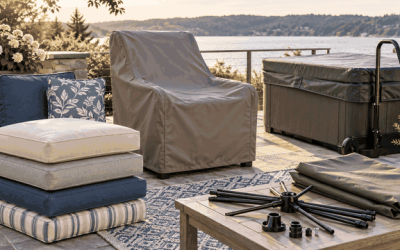
Consider your willingness to perform upkeep before committing to a high-maintenance material. Additionally, plan for off-season storage; using breathable furniture covers during harsh winter months or storing chairs in a shed significantly extends their functional lifespan and keeps them looking vibrant year after year.
Related Guides
To explore more patio furniture options and complete your outdoor living space, check out our expert resources including the Best Outdoor Rocking Chairs in 2026: Compared and Ranked for our top overall product picks, the Best Swing Chairs in 2026: Compared and Ranked for alternative hanging motion seating, and the Best Polywood Adirondack Chairs in 2026: Compared and Ranked for stationary relaxation alternatives.
FAQ
Do outdoor rocking chairs require a special rug or floor protection?
While most rockers function fine on bare concrete or stone, placing them on an outdoor rug helps protect delicate composite or wooden decks from friction marks. Ensure the rug has a low, tight pile so the runners do not get caught or snagged during motion.
How can I stop my rocking chair from sliding backward on smooth surfaces?
Smooth patio stones or painted porches can cause chairs to “walk” backward as you rock. Applying thin, weatherproof rubber grip strips to the bottom of the runners provides extra traction and keeps the chair centered in your desired spot.
Can I leave wooden rocking chairs outside during the winter?
Leaving wooden rockers outside through freezing temperatures and heavy snow accelerates weathering and can crack the wood fibers. It is always best to store natural wood chairs in a garage or shed, or at minimum, protect them with heavy-duty waterproof covers.
What is the difference between indoor and outdoor rocking chairs?
Outdoor rocking chairs are constructed with moisture-resistant materials, rust-proof hardware, and UV-stabilized finishes that handle extreme temperature changes. Indoor rockers utilize softer glues, delicate fabrics, and internal wood joints that quickly degrade when exposed to humidity and rain.