Key takeaways
- How to Choose Outdoor TV Antennas: What Actually Matters
- How to Choose Outdoor Rocking Chairs: What Actually Matters
- How to Choose Outdoor Storage Benches: What Actually Matters
- Best Heavyweight Premium Outdoor Sofa Cover Collections in 2026: Compared and Ranked
- How to Choose Outdoor Pizza Oven Tables: What Actually Matters
What's inside
- Understanding Fabric Weight and Denier Ratings
- Prioritizing True Waterproofing Versus Water Resistance
- Evaluating UV Resistance and Colorfastness
- Mastering Secure Fastening Mechanisms
- Accurately Measuring Your Outdoor Sofa
- Inspecting Seam Construction and Reinforcements
- Knowing When to Upgrade to Designer Collections
- Related Guides
- FAQ
- Related Guides
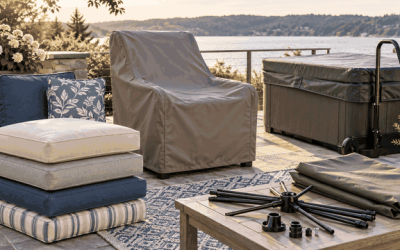
Investing in a high-end patio sofa is a significant commitment, and leaving it exposed to the elements without proper protection can drastically shorten its lifespan. As we move through 2026, the market for patio protection has evolved beyond flimsy plastic tarps that crack in the winter sun or blow away during the first autumn storm. Premium heavyweight outdoor sofa cover collections are designed to provide fortress-like protection while maintaining a sophisticated aesthetic that complements your outdoor living space rather than detracting from it.
- Understanding Fabric Weight and Denier Ratings
- Prioritizing True Waterproofing Versus Water Resistance
- Evaluating UV Resistance and Colorfastness
- Mastering Secure Fastening Mechanisms
- Accurately Measuring Your Outdoor Sofa
- Inspecting Seam Construction and Reinforcements
- Knowing When to Upgrade to Designer Collections
- Related Guides
- FAQ
- Related Guides
However, navigating the sea of marketing jargon—ranging from ultra-high denier counts to proprietary waterproof membranes—can be overwhelming. Not all heavy covers are created equal, and paying top dollar does not automatically guarantee longevity if the specifications do not match your local climate and furniture dimensions. This guide breaks down the critical factors that genuinely matter when selecting a heavyweight sofa cover, helping you make an informed decision that protects your outdoor investment for years to come.
As an Amazon Associate we earn from qualifying purchases at no extra cost to you. Product prices and availability are accurate as of the date shown and are subject to change.

Understanding Fabric Weight and Denier Ratings
When shopping for a premium sofa cover, you will frequently encounter terms like denier (D) and grams per square meter (GSM). Denier measures the fiber thickness of the woven fabric, while GSM measures overall material density. While a higher denier rating generally indicates a stronger, more puncture-resistant weave, it is not the sole indicator of quality. A tightly woven 600D polyester fabric with a high-grade polyurethane backing often outperforms a poorly constructed 900D fabric that lacks structural integrity. Look for heavyweight collections that balance a robust denier count with a dense, substantial hand-feel, ensuring the cover can withstand falling branches, pet claws, and heavy snow loads without tearing.
Prioritizing True Waterproofing Versus Water Resistance
A common mistake buyers make is assuming that any thick cover is completely waterproof. Many entry-level covers are merely water-resistant, meaning they will repel a light morning dew but soak through during a torrential downpour. Premium heavyweight collections utilize multi-layer construction, typically featuring a durable exterior shell, a middle waterproof membrane or lamination, and a soft interior lining. Pay close attention to hydrostatic pressure ratings if provided, or verify that the product features taped seams. Without waterproof sealing along the stitching lines, even the heaviest fabric will eventually leak water directly onto your plush cushions, leading to mold and mildew growth.
Evaluating UV Resistance and Colorfastness
Sun exposure is arguably the most destructive element for outdoor fabrics. UV rays break down synthetic fibers over time, causing them to become brittle, fade, and disintegrate. Premium collections do not just rely on surface treatments; they utilize solution-dyed fabrics where the color pigment is infused into the liquid polymer before the fibers are spun. This ensures exceptional colorfastness and prolonged structural integrity under harsh summer sun. When evaluating covers, look for specifications detailing UV-inhibitor treatments and high resistance to fading, as this prevents the material from degrading into a chalky, fragile state after a single season.
Mastering Secure Fastening Mechanisms
The heaviest cover on the market is useless if high winds can easily catch it and send it flying across your yard. Premium collections distinguish themselves through comprehensive, multi-point anchoring systems. Look for covers equipped with heavy-duty click-close straps that secure around the sofa legs, combined with an adjustable elastic hem cord or drawstrings that pull the base tight. Additional features like reinforced padded handles make installation and removal effortless, while reducing strain on the fabric seams when you pull the cover into place over bulky cushions.
Accurately Measuring Your Outdoor Sofa
Even the finest cover will fail if it does not fit your furniture properly. A cover that is too tight places excessive tension on the seams, while a cover that is too loose will pool water and flap violently in the wind, accelerating wear and tear. Measure your sofa from the widest points, accounting for rolled arms, deep seating profiles, and protruding backrests. It is generally recommended to select a cover that is one to two inches longer and wider than your actual sofa dimensions to allow for easy placement, while ensuring the height drops down to just above the ground or leaves a few inches for air circulation.
Inspecting Seam Construction and Reinforcements
The weak point of almost any protective cover is its seams. Needle holes created during manufacturing can allow moisture to seep through if they are not properly reinforced. Premium heavyweight collections feature double-stitched interlocking seams backed by waterproof seam-sealing tape. Furthermore, look for reinforced high-stress zones, such as the corners where the top panel meets the vertical drop. Extra layers of fabric or rubberized backing in these critical areas prevent sharp furniture corners from puncturing the material from the inside out.
Knowing When to Upgrade to Designer Collections
Standard neutral covers in beige or grey work well for most backyards, but homeowners with meticulously designed outdoor spaces often prefer designer collections that offer tailored fits and sophisticated color palettes like deep charcoal, forest green, or mocha. Upgrading to a top-tier designer collection usually buys you superior hardware, such as anodized aluminum buckles instead of cheap plastic, along with superior breathability vents that prevent condensation buildup underneath the cover. If your patio furniture is custom-made or high-end teak/wicker, investing in a top-shelf collection ensures the protection matches the aesthetic and monetary value of your setup.
Related Guides
To explore top-performing options currently available, take a look at our expert expert round-up of top collections to find the right match for your specific patio layout and local climate.
FAQ
Should I remove my cushions before putting on a heavy cover?
While heavyweight covers are designed to protect fully cushioned sofas, it is always best practice to store plush cushions indoors during extended off-seasons to maximize their lifespan. If you leave cushions on, ensure the cover features built-in air vents to minimize trapped moisture and prevent mold growth.
How do I clean and maintain a heavy-duty outdoor sofa cover?
Most premium covers can be cleaned easily by scrubbing them gently with a soft-bristle brush, mild soap, and lukewarm water while the cover is secured on the sofa. Never put heavy covers in a washing machine or dryer, as the agitation and heat can damage the waterproof backing and seam tape.
Why do some premium covers include air vents?
Air vents are crucial for preventing condensation buildup caused by fluctuating ground temperatures and trapped humidity under the cover. Without proper airflow, moisture can get trapped against your furniture frame, leading to water stains, mildew, and premature degradation of the finish.
How often should I replace my outdoor sofa cover?
Even the most durable heavyweight collections eventually succumb to years of intense UV radiation and extreme weather cycling. With proper care, cleaning, and winter storage, a premium cover typically lasts between three to five years before its protective waterproof membranes begin to degrade.