Key takeaways
- Product Group: Furniture
- Binding: Kitchen
Walk into any office furniture aisle and you will face two broad camps: imposing executive chairs wrapped in padded leather, and leaner task chairs built for agility. They look different, they feel different, and they suit different working styles, yet shoppers often pick the wrong one because the marketing blurs the line. Understanding what actually separates an executive chair from a task chair helps you buy the seat your body and workday truly need.
Below we decode the real differences, then round up the best examples of each type for 2026 so you can see how the categories play out in practice. Whether you spend your day in deep focus at a keyboard or moving between calls, meetings, and paperwork, the right chair style makes those hours noticeably more comfortable.
Our top picks
 Office Chair Ergonomic Desk Chair
- Product Group: Furniture
- Binding: Kitchen


As an Amazon Associate we earn from qualifying purchases at no extra cost to you. Ratings are shown as listed on Amazon.
⚡ Save on Your Next PC — Amazon Prime
Prime members get fast free shipping on the systems above, plus early access to Prime Day & Black Friday PC deals. New members get a 30-day free trial.
Watch: Executive Office Chair vs. Task Chair: Decoding the Differences — Video Review
How to Choose
- Sitting style: Choose an executive chair for upright, authoritative posture and recline breaks; choose a task chair for active, forward-focused keyboard work.
- Back height: Executive chairs run high-back for full spine and head support, while task chairs are often mid-back for freedom of movement.
- Padding vs breathability: Leather executive chairs offer plush cushioning; mesh task chairs prioritize airflow for long, warm sessions.
- Adjustability: Task chairs typically offer more precise ergonomic tuning, while executive chairs emphasize comfort and presence.
- Space and aesthetics: Executive chairs are larger and suit a private office; compact task chairs fit tighter workspaces and shared desks.
The Best Picks Reviewed
COLAMY High Back Executive Office Chair with Inflatable Lumbar Support
The definitive executive pick. Padded leather, a high back, flip-up arms, and inflatable lumbar support deliver the plush, commanding comfort the category is known for. It is ideal for a private office where you alternate between upright work and reclined thinking.
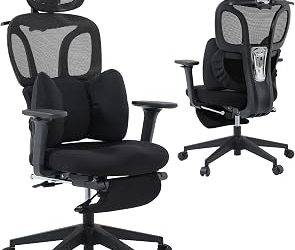
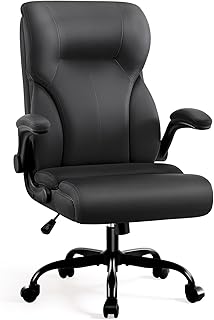
Office Chair Ergonomic Desk Chair, PU Leather with Mesh Back
A hybrid that borrows the executive look with a breathable mesh back and adjustable lumbar support. The flip-up arms let you tuck it under a desk, bridging the gap for anyone who wants executive styling with task-chair practicality.
ELABEST Ergonomic Mesh Office Chair (BIFMA 5.1 Certified)
Our top true task chair. The all-mesh build keeps you cool, the wide seat and adjustable lumbar support suit focused work, and BIFMA 5.1 certification signals commercial-grade durability. This is the seat for active, all-day keyboard sessions.
400lbs Executive Office Chair with Flip-Up Armrests, Big and Tall
The executive choice for larger users, rated to 400 pounds with breathable mesh and flip-up arms. It proves the executive category is not just about leather, offering commanding support with airflow for heavier or taller professionals.
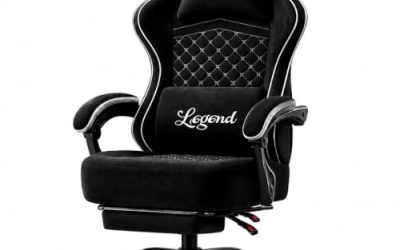
GTPOFFICE Executive Office Chair with Zoned Pressure-Relief Cushion
A crossover that blends executive comfort with gaming-inspired ergonomics. The zoned pressure-relief cushion and comfortable lumbar support make it a strong pick if you want plush PU leather without giving up targeted back support.
Frequently Asked Questions
Which is better for long hours at a keyboard?
A task chair usually wins for concentrated keyboard work because it encourages an active, forward posture and offers precise ergonomic adjustment plus breathability. Executive chairs shine when your day includes more recline and upright meeting time.
Are executive chairs less ergonomic?
Not inherently. Many modern executive chairs include adjustable lumbar support and tilt, like the COLAMY’s inflatable system. They simply prioritize plush comfort and presence alongside ergonomics rather than pure task efficiency.
Can one chair do both jobs?
Yes, hybrids exist. A PU leather chair with a mesh back and adjustable lumbar support gives you executive style with task-chair breathability and adjustability, which is a smart pick for a home office that serves multiple roles.
Does back height really matter?
It does. A high back supports your head and shoulders during recline and upright sitting, while a mid-back frees your shoulders for movement. Choose based on whether you value support or mobility more in your typical day.
Final Thoughts
The executive-versus-task decision comes down to how you actually work. If your day is upright, authoritative, and punctuated by reclined thinking, an executive chair like the COLAMY delivers plush, commanding comfort. If you live in your keyboard and value airflow and precise adjustment, a mesh task chair like the ELABEST is the smarter buy. And if you straddle both worlds, a leather-and-mesh hybrid gives you the best of each. Match the chair to your posture and your space, and neither your back nor your budget will regret it.