The boundary between our professional lives and our home sanctuaries has permanently dissolved. As we look ahead at home office design in 2026, the decisions we make about our workspaces are no longer temporary fixes; they are investments in our long-term physical well-being. At the center of this setup is the desk chair. For anyone spending six to ten hours a day sitting, the choice usually comes down to a classic debate: a breathable mesh task chair or a plush, commanding leather executive chair.
This decision is rarely just about style. It is a fundamental choice about how you want your body to be supported. When evaluating mesh office chair vs leather executive chair ergonomics, you are choosing between two entirely different philosophies of physical support. One relies on suspension, tension, and active adjustability to keep your joints aligned. The other relies on deep cushioning, contouring, and passive pressure relief to cradle your frame. Understanding how these mechanical differences affect your spine, hips, and circulation is the key to finding the perfect match for your home.
Our top picks
 GABRYLLY Ergonomic Office Chair
Four support points cover head, back, hips, and hands
Flip-up armrests let the chair tuck under the desk
Backed by a 3-year coverage period
Comfortable fit spans roughly 5 foot 2 to 6 foot 1
At 41 pounds, it is heavier than basic task chairs
 Ergonomic Office Chair
- 【Adjustable Lumbar Support】- The lumbar support of MOLENTS…
- 【Adjustable 3D Armrests】- MOLENTS ergonomic office chair with…
- 【Breathable and Comfortable Mesh Office Chair】- This computer…


As an Amazon Associate we earn from qualifying purchases at no extra cost to you.
Quick Verdict
If your primary goals are targeted posture correction, heat dissipation, and micro-adjustments for intense task work, a mesh office chair is your best option. It keeps your pelvis in an active, neutral position and prevents heat buildup. However, if you prefer a softer, enveloping seat that cushions the tailbone and sciatic nerve, and you work in a temperature-controlled or cooler room, a leather executive chair offers superior passive pressure relief and a classic, comforting feel that mesh cannot replicate.
Side by Side
To help you understand how these two categories stack up across key performance indicators, we have mapped out their core differences below:
| Feature | Mesh Office Chair | Leather Executive Chair |
|---|---|---|
| Suspended, firm, and highly breathable; conforms to shape without sinking. | Plush, deeply cushioned, and enveloping; molds to the body over time. | |
| High-quality mesh retains tension; cheap mesh can sag after 2–3 years. | Genuine leather lasts decades if conditioned; PU leather may peel within 3–5 years. | |
| $100 to $1,200+ (Premium ergonomic brands) | $80 to $2,000+ (Genuine top-grain leather commands a premium) | |
| Easy to vacuum; difficult to deep-clean if liquid spills deep into the weave. | Easy to wipe down; genuine leather requires occasional conditioning. | |
| Compact footprint (typically 24″ to 27″ wide); visually lightweight. | Large footprint (typically 28″ to 32″ wide); visually heavy and commanding. | |
| Modern, high-tech, minimalist, and industrial. | Traditional, luxurious, stately, and authoritative. | |
| High for premium brands; low for generic models. | Moderate; highly dependent on leather quality and wear patterns. | |
| Active ergonomics (dynamic lumbar, multi-directional armrests, tilt tension). | Passive ergonomics (thick foam padding, integrated headrests, manual recline). | |
| Hot climates, long task-heavy typing sessions, and small home offices. | Cooler rooms, executive meetings, reading, and those who prefer soft cushioning. |
Where Mesh Office Chair Wins
The primary advantage of a mesh office chair lies in its thermal regulation. Traditional foam seats act as heat sinks, trapping body heat and raising your skin temperature over hours of sitting. Mesh chairs solve this problem by using a woven, open-work pattern of polyester or elastomeric fibers. This design allows air to circulate freely around your back and thighs, keeping you cool and dry even in rooms without air conditioning.
Beyond temperature control, mesh chairs excel at “active ergonomics.” Because the material is suspended across a rigid frame, it behaves like a hammock, distributing your body weight evenly across the surface. This suspension prevents hot spots on your sit bones (the ischial tuberosities). Furthermore, mesh task chairs are highly adjustable. They typically feature independent lumbar support systems, seat depth adjustments, and multi-directional armrests.
For example, the GABRYLLY Ergonomic Office Chair, High Back Home Desk Chair with Headrest, Flip-Up Arms, 90-120° Tilt Lock and Wide Cushion, Big and Tall Mesh Chairs for Man Woman, Black Task Chair, which retails for $199.9, demonstrates this versatility. It offers adjustable headrests and flip-up arms, allowing users to tuck the chair fully under their desks when not in use.
Similarly, certified options like the Ergonomic Office Chair, Mesh Computer Desk Chairs with BIFMA X5.1 Certified, Adjustable Lumbar Support, 3D Arm, Tilt Back, Wide Seat, Comfy Swivel Work Task Chair for Company and Home (Obsidian Black), priced at $204.99, provide structured, BIFMA-certified support. This model features 3D armrests and targeted lumbar adjustments, ensuring your spine maintains its natural “S” curve during long work sessions. Mesh chairs encourage micro-movements, which keep your core muscles slightly engaged and prevent the stiffness that comes from static sitting.
Where Leather Executive Chair Ergonomics Wins
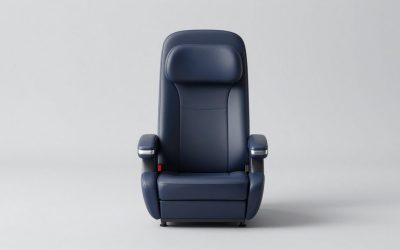
While mesh focuses on tension and airflow, the leather executive chair focuses on deep pressure relief. For many users, the firm, suspended feel of a mesh chair can feel stiff or even cause discomfort along the thighs where the mesh meets the hard plastic frame. Leather executive chairs avoid this issue by using thick layers of high-density molded foam beneath a soft leather or polyurethane (PU) outer shell.
The ergonomic philosophy here is “passive support.” Instead of forcing your body into a strict posture using adjustable plastic components, a high-quality executive chair molds to your shape, distributing pressure across a wider, softer surface. This design is highly beneficial for individuals with lower back pain, sciatica, or tailbone sensitivity, as the plush cushioning absorbs the impact of sitting.
For those who need robust, heavy-duty support, options like the Ergonomic Executive Office Chair PU Leather High Back, 400lbs Heavy Duty Reclining Desk Chair with Footrest, Adjustable Lumbar Support, Padded Armrests, Wide Seat, Brown, priced at $161.49, offer an incredibly supportive platform. With a 400-pound weight capacity, built-in footrest, and thick padded armrests, this style of chair allows you to transition from an upright working posture to a relaxed, reclined position for reading or phone calls.
If you prefer a more streamlined, mid-century modern aesthetic that still offers soft padding, look to designs like the Furmax Ergonomic Office Desk Chair, Executive Ribbed Mid-Back PU Leather Conference Room Chair Adjustable Swivel Chair with Arms (1, Black), which retails for $79.99. This chair provides a sleek, ribbed design that offers padded lumbar support without the bulky footprint of traditional executive seating, making it an excellent choice for design-conscious home offices.
Cost Over 5 Years
When investing in home office furniture, looking at the initial price tag only tells half the story. You need to consider the total cost of ownership over a five-year period, factoring in wear, tear, and potential replacements.
Mesh chairs in the mid-range ($150 to $300) generally hold up well over five years. High-quality elastomeric mesh resists stretching and retains its shape. However, budget mesh chairs (under $100) often use cheap nylon blends that can sag within 18 to 24 months, forcing you to buy a replacement. If you buy a $200 high-quality mesh chair, your cost over five years is just $40 per year. If you buy a $90 low-quality mesh chair and have to replace it twice, you will end up spending $270 over the same period.
Leather chairs present a different cost curve depending on the material. Polyurethane (PU) leather chairs are affordable upfront ($80 to $200), but PU leather is prone to cracking, peeling, and flaking, especially in warm climates or areas with high humidity. A PU leather chair used daily for 8 hours a day will typically show significant wear within 2 to 3 years.
In contrast, genuine top-grain leather chairs are expensive upfront ($500 to $1,500+) but can easily last 10 to 15 years if conditioned once or twice a year. Over five years, a $600 genuine leather chair costs $120 per year but will likely still look and perform beautifully, whereas a series of cheap PU leather chairs will cost more in replacements and hassle.
Which One for Your Home
Your home environment is unique, and the right chair depends heavily on your specific living situation.
Small Apartment
In a small apartment or a multi-purpose room (like a bedroom workspace), space and visual weight are crucial. A mesh office chair is the clear winner here. Its open weave allows light to pass through, making your room feel less cluttered. Many mesh models also feature flip-up arms or highly compact bases that slide completely under your desk when you are done working for the day.
Family with Kids and Pets
If you share your home with children or pets, maintenance is a major factor. Mesh chairs can trap pet hair, crumbs, and dust in their woven fibers, requiring frequent vacuuming. Liquid spills can also sink into the under-seat foam and be difficult to clean. PU leather executive chairs are highly practical here; they can be wiped clean with a damp cloth in seconds. However, keep in mind that cat claws can easily puncture and ruin PU or genuine leather surfaces, making a heavy-duty mesh chair with a tightly woven knit a safer choice for cat owners.
Rental
If you rent your home, you will likely have to move your furniture eventually. Executive leather chairs are heavy, bulky, and difficult to maneuver through tight apartment hallways and stairwells. A mesh task chair is lightweight, easier to disassemble, and far more convenient to pack into a moving truck.
Long-Term Home
For a permanent home office with dedicated climate control, a genuine leather executive chair offers unmatched luxury, comfort, and timeless style. It becomes a statement piece that anchors the room. If your home office tends to get warm in the summer, however, a premium ergonomic mesh chair remains the smartest choice for year-round comfort.
FAQ
Which is better for lower back pain, mesh or leather?
For acute lower back pain, a mesh chair with adjustable, independent lumbar support is generally better because it allows you to customize the support to your spine’s curve. However, if your back pain is caused by pressure on your tailbone or sciatic nerve, a plush leather chair with thick foam padding may provide better relief.
Do mesh office chairs stretch out and sag over time?
High-quality mesh chairs made with elastomeric or polyester blends do not sag easily and can maintain their tension for a decade. Cheap nylon mesh chairs, however, are prone to stretching out within one to two years of daily use, which reduces their ergonomic support.
How do you clean a mesh chair vs. a leather chair?
Mesh chairs should be vacuumed regularly with an upholstery attachment to remove dust and pet dander. Spills must be spot-cleaned immediately with mild soap and water. Leather chairs can be wiped down with a damp microfiber cloth. Genuine leather should also be treated with a leather conditioner once or twice a year to prevent drying and cracking.
What is the weight capacity difference between these two chair types?
Executive leather chairs often feature wider wood or heavy-duty steel frames, allowing them to support higher weight limits (frequently up to 400 lbs). Standard mesh chairs typically have a weight capacity between 250 and 300 lbs, though specialized big-and-tall mesh chairs are available with reinforced frames.