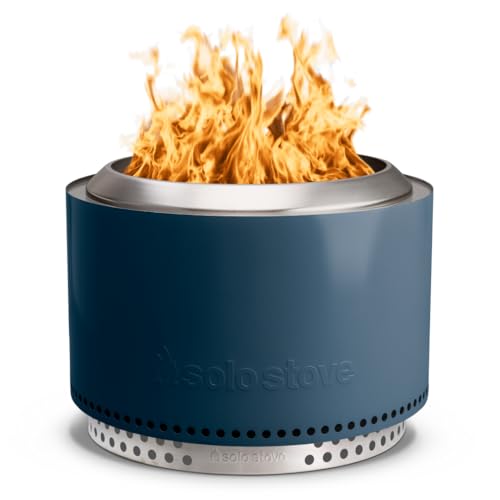
A buyer searching for a solo stove fire pit is usually solving one of two problems: eliminating the smoke that ruins clothing and stings eyes during backyard gatherings, or replacing a rusted, generic metal bowl with something that survives several seasons outdoors without discoloration. The product category splits into two clear tiers. The wood-burning models rely on a double-wall airflow design that preheats combustion gases before they exit the rim, which is why owners consistently report near-zero smoke once the fire is established. The propane options bypass that mechanism entirely and trade fuel-cost savings for instant on/off convenience.
What separates a worthwhile purchase from a disappointing one comes down to diameter-to-seating match, finish durability under UV exposure, and whether the included stand actually elevates the pit above damp patio surfaces. Owner reviews across these eight models make those distinctions visible: a 15-inch Ranger will feel cramped around six people, while a 42-inch Infinity Flame table becomes overkill for a couple enjoying a glass of wine on a small deck. Comparing published specs and aggregated owner feedback is the most reliable way to narrow choices before committing to a price.
Our top picks




As an Amazon Associate we earn from qualifying purchases at no extra cost to you.
Quick Picks
| Product | Best for | Price |
|---|---|---|
| Yukon 2.0 (Ash) | Large groups of 8+ | $449 |
| Basecamp 24″ | Balanced family gatherings | $359.99 |
| Ranger 2.0 15″ | Camping and small patios | $206.99 |
| Infinity Flame 42″ | Permanent patio tables | $599.99 |
| Bonfire (Ash) | Everyday medium use | $299.98 |
| Yukon 2.0 (Water) | Cool-tone outdoor decor | n/a |
| Bonfire (Gunmetal) | Matching modern furniture | $314.99 |
| 42″ Fire Pit Surround | Safety barrier with tabletop | $314.99 |
How We Picked
We ranked these models against four criteria drawn from published specifications and recurring themes in owner reviews. First, smokeless performance as reported by users over multiple burn sessions rather than single-use impressions. Second, diameter-to-gathering-size fit, since a pit that underserves your typical group is a poor value regardless of price. Third, finish longevity, specifically how the coating holds up after two or three seasons of sun, rain, and heat cycles. Fourth, included accessories such as the stand, which raises the pit off wet surfaces and affects both durability and clearance for seating.
The 8 Best Solo Stove Fire Pit in 2026
Yukon 2.0 + Stand, Ash
The largest wood-burning option in this lineup, the Yukon 2.0 in Ash finish is built for gatherings of eight or more people. Owner feedback consistently highlights its massive fire volume and how the double-wall airflow keeps visible smoke near zero even with dense hardwoods. The powder-coated Ash color resists heat discoloration better than raw stainless finishes, which matters over multiple seasons. The main drawback is portability: at 27 inches in diameter, this pit does not move easily between patio locations, and the stand adds to the overall footprint. Skip it if your yard is small, if you store the pit indoors during off-season, or if your gatherings rarely exceed four people.
Basecamp 24″ Fire Pit with Stand
Positioned between the Bonfire and Yukon, the Basecamp serves households that host six to eight people without wanting the Yukon’s bulk. Reviewers note that the 24-inch opening generates a taller, more dramatic flame than smaller models, which makes it a visual centerpiece. The stand comes included and clears the base from damp concrete and wooden decks effectively. One recurring complaint is that the fire ring sits slightly deeper than the Yukon, meaning smaller logs burn fully while longer pieces can touch the inner wall and leave unburned tips. Skip it if you prefer short-split firewood or already own a 27-inch pit.
Ranger 2.0 15″ with Stand
The Ranger 2.0 is the most portable model here, and owners who take it camping, tailgating, or rotating it between a balcony and a backyard park describe it as genuinely single-hand-carriable. Its compact size still produces a surprisingly clean burn thanks to the same airflow principle used in the larger pits. The primary con is capacity: a full load of sticks lasts a shorter window than any other model, and sitting more than four people close together gets warm quickly. Skip it if your typical gathering exceeds four adults or if you want a pit that stays lit for a full evening without refueling.
Infinity Flame 42″ Propane Fire Pit Table
The only non-wood model in this comparison, the Infinity Flame converts the Solo Stove philosophy into gas convenience. The 42-inch tabletop doubles as an outdoor dining or cocktail surface, and the instant ignition eliminates the buildup time that wood-burning pits require. Owners praise the flame pattern and the lack of ash cleanup. The notable downside is fuel cost: propane tanks must be swapped or refilled, which adds ongoing expense that a well-stocked wood pile avoids. Skip it if you already harvest free firewood, if your patio lacks overhead clearance for LPG tank storage, or if you want the crackling and aroma of burning timber.
Bonfire with Stand, Ash
The Bonfire in Ash is the default recommendation in most owner forums when the question is “which size should I buy?” The 19.5-inch diameter accommodates four to six people comfortably and accepts standard split logs without needing to be broken down further. Reviewers highlight the ease of cleanup—ash is minimal and the stand keeps the base clear of moisture. The one limitation is heat output: during cold shoulder-season evenings, people at the outer edge of a six-person circle may shift closer to stay warm. Skip it if you routinely host larger groups or want a pit that radiates heat across a wide deck.
Yukon 2.0 + Stand, Water
Functionally identical to the Ash-finish Yukon 2.0 in dimensions, airflow design, and included stand, the Water colorway exists purely for aesthetic matching. Owners who chose it over the Ash report that it blends well with gray composite decking and cooler-toned outdoor furniture sets. Because the price is not consistently listed across retailers, availability and cost can fluctuate, which makes comparison shopping important before purchasing. The same portability limitation applies: 27 inches is a fixed installation in practice. Skip it if the Water finish is not visible in person before buying, since screen displays can shift the tone significantly.
Bonfire with Stand, Gunmetal
The Gunmetal Bonfire shares the 19.5-inch diameter and double-wall construction of its Ash sibling but presents a darker, more neutral exterior that owners say pairs well with black metal furniture and modern minimalist patios. Reviewers confirm identical burn performance between the two finishes. The trade-off is a small price premium over the Ash version at the same point of sale, and the Gunmetal coating shows fingerprints and water spots more visibly than the lighter Ash option. Skip it if budget is the primary constraint, since the Ash version delivers the same performance for less.
42″ Fire Pit Surround
Not a fire pit itself, this surround converts the Infinity Flame table into a defined barrier and additional tabletop surface. Owners who added it report that it protects the outer rim from scuffs and provides a flat edge for plates, drinks, and small decor items. It also raises the effective seating boundary, which is useful when children are present. The limitation is that it only fits the 42-inch Infinity Flame—no other Solo Stove model accepts it. Skip it if you own a wood-burning pit or a different-diameter table, as no adapter makes it compatible.
Buying Guide
Matching Diameter to Your Group Size
Fire pit diameter determines both flame visibility and comfortable seating radius. As a general rule, allocate roughly two feet of seating space per person around the perimeter. A 15-inch Ranger comfortably seats four at close range. A 19.5-inch Bonfire extends that to five or six. The 24-inch Basecamp handles six to eight, while the 27-inch Yukon supports eight or more without anyone being pushed against the heat zone. Oversizing means you pay for heat you will not use; undersizing means guests drift away from the flames.
Wood-Burning Airflow vs. Propane Convenience
The double-wall design in every wood-burning model preheats combustion gases and feeds them back into the fire, which is the mechanism that eliminates smoke. The trade-off is a five to ten minute warm-up before the flame becomes visible and consistent. Propane models ignite instantly but require tank management and carry a per-use fuel cost that wood-burning pits avoid if you have access to inexpensive split logs. If you prefer ritual and crackle, go wood. If you want push-button reliability, go propane.
Finish Color and Long-Term Appearance
Owner feedback across multiple seasons reveals that darker finishes such as Gunmetal and Ash handle heat cycling well but show water spots, fingerprints, and soot more readily than lighter or brushed options. If your patio is exposed to frequent rain or morning dew, a lighter finish or regular wipe-down will keep the unit looking new longer. The Water colorway offers a middle ground in tone but carries less documented long-term feedback than the Ash or Gunmetal versions.
Our Verdict
For most buyers, the Bonfire with Stand in Ash at $299.98 is the top pick. It hits the diameter sweet spot for four to six people, includes the stand that protects the base from moisture, and carries the lowest price-to-performance ratio among wood-burning options here. The budget pick is the Ranger 2.0 15″ at $206.99, which delivers genuine smokeless performance at a fraction of the cost if your gatherings stay small. That said, the Infinity Flame 42″ wins outright for anyone who prioritizes zero-mess, push-button operation and needs the unit to double as a functional outdoor table rather than a dedicated burn pit.
FAQ
Do I really need the stand, or can I place the pit directly on my patio?
The stand elevates the pit roughly four to six inches above the surface, which prevents heat transfer to wooden decking and keeps the base clear of standing water that accelerates corrosion at the vent holes. On concrete or pavers, skipping the stand is physically possible, but owners who did so report more discoloration on the underside within a single season.
Can I cook over a Solo Stove fire pit?
Yes, and the consistent low-smoke flame makes these pits suitable for grilling, roasting, or boiling with a compatible cooking grate or wok stand. The wood-burning models produce manageable coasts after the initial burn, which is ideal for slow roasting. The propane model offers more controllable heat for precise tasks but cannot replicate the flavor char from wood.
How long does the powder-coated finish last outdoors?
Aggregated owner feedback suggests that Ash and Gunmetal finishes show minimal degradation after two to three seasons when the pit is stored under a cover or brought indoors during winter. Without any protection and in climates with harsh UV or salt air, slight fading or surface oxidation can appear within the second summer.
Is the 42-inch Surround worth adding to the Infinity Flame?
It is worth it specifically for households with young children or for anyone who wants a flat, protected edge for drinks and plates around the table. The surround does not alter flame performance and installs without tools. Skip it only if your Infinity Flame sits in a low-traffic corner where nobody will brush against the rim.