Our Top Picks
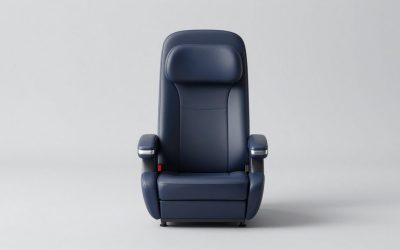
 EALSON Comfy Leather Desk Chair Modern Computer Task23.2D x 23.2W x 31.5H in23.2 x 23.2 x 31.5 Inches18.92 poundsCheck on Amazon
The best decorative desk chairs without wheels are upholstered side chairs, armless swivel chairs on a fixed base, and wood or cane chairs with a 17–19 inch seat height, chosen so the seat clears your desk apron and fits the hours you actually sit. A wheel-free chair looks like furniture instead of office equipment, protects rugs and wood floors, and stays put on a sloped or slippery floor. The trade-off is less adjustment, so the measurements matter more than they do with a task chair.
Why Go Wheel-Free in the First Place
- The room isn’t just an office. A desk in a living room, bedroom or entry nook looks calmer with a chair that matches the other furniture.
- Floors and rugs. Casters dent soft woods like pine, wear paths into rugs and need a chair mat to roll on thick pile.
- Stability. A chair that doesn’t drift is easier for kids, older users and anyone who uses the desk for makeup, crafts or writing rather than typing.
- Height. Many decorative chairs sit lower and simpler than gas-lift office chairs, which suits a 28–30 inch writing desk or vanity.
The Main Styles Compared
| Style | Typical seat height | Typical width | Comfort for long sessions | Usual price range |
|---|---|---|---|---|
| Upholstered armless side chair (parsons or slipper style) | 18–19 in | 18–21 in | Good for 1–3 hours | $100–$400 |
| Upholstered chair with low arms | 18–19 in | 22–25 in | Good for 2–4 hours | $200–$600 |
| Swivel chair on a fixed disc or four-star glide base | 18–21 in (some with gas lift) | 20–24 in | Good for 2–5 hours | $150–$500 |
| Solid wood (Windsor, spindle, ladder back) | 17.5–18.5 in | 18–21 in | Fair; add a seat cushion | $80–$350 |
| Cane or rattan back | 18–19 in | 19–23 in | Fair to good; back flexes slightly | $150–$500 |
| Molded plastic or bent metal | 17.5–18 in | 18–20 in | Fair; seat shape matters more than padding | $60–$300 |
| Acrylic ghost chair | 18–19 in | 18–21 in | Short sessions only | $80–$300 |
The Four Measurements That Decide Fit
1. Seat height against desk height
Aim for 10–12 inches between the top of the seat and the top of the desk. With a standard 29–30 inch desk, that means a seat height of about 17–19 inches. Dining chairs are made to this rule, which is why a good dining chair often works at a desk. A vanity at 30–31 inches pairs well with an 18–19 inch seat.

DUMOS Criss Cross Chair, Cross Legged Vanity Chair No Wheels, Home Office | PU Leather, Height Adjustable, Armless Wide Seat, Swivel, Computer Desk Task, Bedroom, Study, Medium Brown
Chosen because it specifies Cross Legged Vanity Chair No Wheels and Home Office.
View on Amazon
NEO CHAIR Criss Cross Chair with No Wheels, Cozy Wide Armless Seat, Beige | Cross-Legged Friendly, Comfy Support for Office, Desk, or Vanity, Smooth 360° Swivel Motion with Adjustable Height and Tilt
Chosen because it specifies Cozy Wide Armless Seat and Beige.
View on AmazonEALSON Comfy Leather Desk Chair Modern Computer Task Chair no Wheels Swivel Accent Chair with Mid Back Arm Chair for Living Room/Bedroom/Home Office, PU Brown
Chosen because it specifies PU Brown.
View on Amazon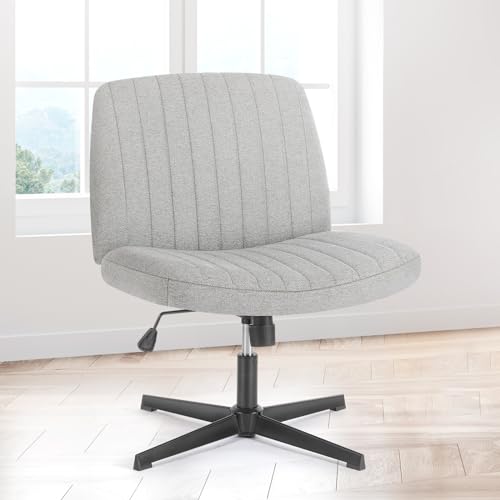
Sweetcrispy Criss Cross Office Chair, Vanity Chair, Home Office | Armless No Wheels Wide Seat, Height Adjustable Swivel, Comfy Fabric, Desk Computer Task Bedroom, Grey
Chosen because it specifies Vanity Chair and Home Office.
View on Amazon2. Arm height against the desk apron
Measure from the floor to the underside of the desk apron or drawer. If a chair has arms, the arm top must be at least 1 inch below that number for the chair to tuck in. Most aprons sit at 24–27 inches; many upholstered armchairs have arms at 24–27 inches, so check before you buy. Armless chairs avoid the problem entirely.
3. Seat depth
Desk work is upright, so a 17–19 inch seat depth works better than the deep 21–23 inch seats found on lounge-style accent chairs. A deep seat forces you to sit forward without back support.
4. Clearance behind the chair
Without wheels you slide or lift the chair back to stand, so leave 32–36 inches from the desk edge to the wall or nearest furniture. In a tight nook with only 24–28 inches, an armless chair you can turn sideways is easier than one that has to slide straight back.
Swivel Without Wheels: The Middle Ground
If you like turning to reach a printer or shelf but don’t want rolling, look for a swivel chair on a disc base or a star base with glides instead of casters. Some come with a gas lift, giving you height adjustment as well. Disc bases are heavy and stable but can scuff floors if the bottom has no felt pad. Many standard office chairs also accept stem glides that swap in for casters, which is the cheapest way to make a chair you already like stationary.
Upholstery Choices for a Desk Chair
| Material | Strength | Weak point | Best for |
|---|---|---|---|
| Performance polyester | Resists stains, holds up to 30,000+ double rubs on many grades | Can feel warm | Kids, pets, daily use |
| Velvet | Rich look, soft feel | Shows crush marks where you sit | Bedroom or living room desks |
| Linen or linen blend | Breathable, relaxed look | Wrinkles and stains easily | Light use in dry, low-traffic rooms |
| Boucle | Texture hides small marks | Snags on pet claws and jewelry | Adults-only spaces |
| Top-grain leather | Long life, wipes clean | Higher price; scratches visible | Long daily use |
| Faux leather (PU) | Low cost, wipeable | Peels after a few years of daily use | Light use |
Match the Chair to How You Use the Desk
| Situation | Better choice | Why |
|---|---|---|
| Typing 4+ hours a day | Swivel chair on glides with a padded, shaped back | More support and some adjustability |
| Writing desk or vanity, under 2 hours | Armless upholstered side chair | Tucks fully under, looks finished |
| Small apartment nook | Acrylic or slim metal chair under 20 in wide | Visually light, easy to move |
| Kids’ homework desk | Wood or molded chair with 16–17 in seat | Stable, wipeable, sized for shorter legs |
| Pets in the house | Performance fabric or leather, tight weave | Resists hair and claw snags |
| Back pain | Chair with a curved or padded lumbar area, or add a cushion | Flat decorative backs offer little lower-back support |
Floor Protection and Durability
- Add felt pads to wood legs; replace them every 6–12 months because grit embeds in felt and scratches.
- On tile, rubber-tipped glides grip better than felt and stay quieter.
- Check the joinery: corner blocks under the seat and screwed (not just stapled) frames hold up better to the rocking that desk use causes.
- What wears first on upholstered chairs is the front seat edge and the top of the back where hands grab to pull the chair out. Darker or patterned fabric hides that wear longer.
- Most decorative chairs are rated for 250–300 lb; check the label if that matters for your household.
Comfort Upgrades Without Losing the Look
A thin seat cushion with a non-slip backing adds comfort to wood and cane chairs. A small lumbar pillow in a matching fabric fills the gap that most straight-backed chairs leave. Keep your monitor or laptop at eye level with a stand, since you won’t have height adjustment to compensate. With those small additions, a wheel-free decorative chair can handle a typical part-time workday while still looking like it belongs in the room.