Key takeaways
- High Density Foam Tape AC Window Seal (1×1 inch) — a straightforward white gasket for the sash gap where appearance from inside matters.
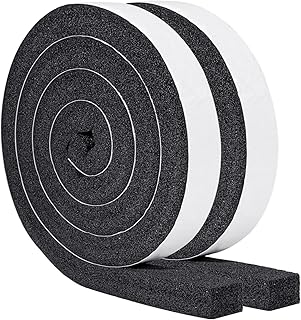
- Yotache AC Window Seal Kit (1×1 inch, 13 ft in two 6.5 ft runs) — high-resilience foam in black, with enough length to cover a sash gap plus perimeter joints, and noticeably better at damping the buzz that travels through the frame.
What's inside
A window air conditioner is one of the few appliances homeowners install by balancing it on a load-bearing surface designed for glass, not machinery. Everything about how well it cools, how quietly it runs, and how long the surrounding window lasts traces back to that first hour of installation. A sloppy seal doesn’t just leak conditioned air; it invites water into the sash, lets the chassis shift under its own vibration, and puts your shoulders and lower back through a repeat performance every August.
This guide treats sealing as a structural problem with a comfort payoff. You’ll learn how to read your window opening before touching foam, how to choose gasket material that survives more than one season, why the side panels are almost always the failure point, and how to build an assembly you can remove in ten minutes without shredding paint or leaving adhesive scars behind.
🛒 Best Price Today on Amazon
Prime members get fast, free shipping on everything above, plus member-only deals. New members get a 30-day free trial — cancel anytime.
Our Recommended Picks
As an Amazon Associate we earn from qualifying purchases.




Start With the Load Path, Not the Gap
Before sealing anything, confirm the unit is carrying its weight correctly. A mid-size window model like the BLACK+DECKER 12,000 BTU BWAC12WTB rated for roughly 550 square feet is a two-person lift, and it should rest with the majority of its mass inboard of the sill, tilted a few degrees toward the exterior for condensate drainage. Foam and tape are gaskets, not brackets. If the chassis flexes when you press on the front grille, no amount of sealing will hold, because every compressor cycle will work the joint loose. Sort out support first, then seal.
Choose Foam by Recovery, Not Thickness Alone
The strip between the raised sash and the upper frame does the hardest work: it stays compressed for months, then must spring back next season. Open-cell foam collapses permanently under that duty, a failure called compression set. High-density closed-cell products in the standard 1×1 inch profile hold up far better. Two worth knowing:
- High Density Foam Tape AC Window Seal (1×1 inch) — a straightforward white gasket for the sash gap where appearance from inside matters.
- Yotache AC Window Seal Kit (1×1 inch, 13 ft in two 6.5 ft runs) — high-resilience foam in black, with enough length to cover a sash gap plus perimeter joints, and noticeably better at damping the buzz that travels through the frame.
Cut foam slightly long and compress it into corners rather than butting two pieces end to end. Seams open first.
Replace the Accordion Panels If You Can
Factory side curtains are thin vinyl on a plastic frame, and they’re the single largest source of heat gain, insect entry, and drumming noise on a window install. They also sag as the plastic relaxes in sunlight. Rigid insulated inserts such as the 2 Pack Window Air Conditioner Side Panels (17 in x 9 in x 1 in) replace that flapping surface with a solid block you can trim to fit. The ergonomic benefit is real: a firm panel gives the sash something to press against, so the whole assembly stops shifting when you slide the window.
Use Tape as a Finish Layer
Once foam and panels are set, a tape pass seals the hairline joints that foam bridges but doesn’t fill, particularly along the top of the accordion panels and where the chassis meets the sill. A heavier-gauge product like the SWRT 20 Mil Window Weather Sealing Tape (3 in x 33 ft) resists summer heat without oozing, and the residue-free removal claim matters more than it sounds — cheap tape bakes onto painted wood and forces you into a scraping job in October. Apply to clean, dry, room-temperature surfaces. Adhesives develop most of their bond strength in the first 24 hours.
Portable Units Need a Different Approach
If you’re venting a portable AC rather than mounting a window unit, rigid panels don’t apply. A fabric window kit such as the HOOMEE 197 in Universal Window Seal closes the entire sash opening with a zippered pass-through for the exhaust hose, using hook-and-loop adhesive fastener around the frame. It suits renters and casement windows where drilling isn’t an option, and it takes the weight off the sash entirely.
Tips
- Dry-fit every component before peeling a single adhesive liner. Foam that’s been stuck once loses much of its tack.
- Wipe the frame with isopropyl alcohol, not household cleaner. Surfactant residue is the usual reason tape lifts within a week.
- Add a bead of foam behind the sash lock or a cut wood dowel in the upper track so the window can’t be raised from outside.
- Label trimmed side panels left and right with a marker. Next spring’s reinstall becomes a five-minute job instead of a re-measure.
Frequently Asked Questions
How do I know my seal is actually working?
Run the unit, then pass a lit incense stick slowly along the perimeter. Smoke that bends sharply marks a leak. Check again on a windy day, since pressure differences reveal gaps that stay closed in calm air.
Should I seal the drain path too?
No. Condensate needs somewhere to go. Seal the air gaps around the chassis, keep the slight outward tilt, and leave the manufacturer’s weep holes clear or you’ll trap water inside the pan.
Can I leave the unit in over winter?
You can, but seal it more aggressively and fit an exterior cover, or you’ll pull cold air through the coil all season. Removing it reduces sash strain and extends foam life, though it costs you two more lifts a year.
Is spray foam a shortcut worth taking?
Not for a removable appliance. Expanding foam bonds permanently, can bow a vinyl frame as it cures, and turns next season’s removal into demolition. Reserve it for gaps in permanent construction.
Conclusion
A durable window AC seal is layered and reversible: solid support first, resilient closed-cell foam at the compression joints, rigid panels in place of factory vinyl, and tape only as the finishing pass. Build it that way once and you’ll get quieter operation, lower running costs, an intact window frame, and a removal process that doesn’t punish your back.