Key takeaways
- Clean ceiling fans before vacuuming or dusting floors so fallen debris can be removed at the end.
- Keep the pole short enough to control comfortably; maximum reach is not always the safest reach.
- Use a pillowcase around a blade for a low-mess alternative, then empty the dust outdoors and wash the case.
- Never stand on a chair, rolling stool, or unstable furniture to gain extra height.
What's inside
Ceiling fans collect a surprisingly stubborn mix of dust, hair, cooking residue, and fine debris. When the blades turn, that buildup can spread through the room—and a poorly chosen cleaning method can leave streaks, bend a blade, or put you in an awkward position on a ladder. The safest approach is controlled, low-force cleaning that protects both the fan and your shoulders.
This guide explains how to clean a ceiling fan efficiently, which tools are worth buying, how to work at height without overreaching, and when a microfiber duster is preferable to a vacuum. The focus is durability and ergonomics: less strain, fewer falls, and a cleaner result that lasts.
As an Amazon Associate we earn from qualifying purchases.



Best Way To Clean A Ceiling Fan (2026)
🛒 Best Price Today on Amazon
Prime members get fast, free shipping on everything above, plus member-only deals. New members get a 30-day free trial — cancel anytime.
Choose the Right Cleaning Tool
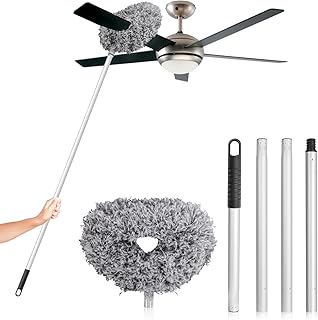
For most homes, a washable microfiber duster with an adjustable extension pole is the best starting point. Microfiber traps dust instead of simply pushing it around, while a pole lets you keep both feet on the floor. Look for a head that is flexible enough to sit across the blade without pressing hard, and choose a removable cover that can be washed or replaced.
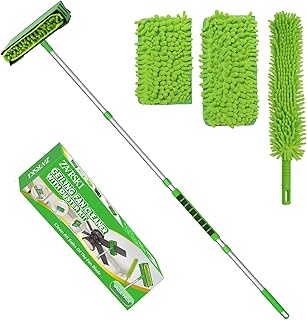
The DRQ Ceiling Fan Cleaner Duster, with its 13- to 48-inch pole, is a practical choice for standard-height rooms and can also handle shelves, door tops, and other elevated surfaces. The similar FONUNO Ceiling Fan Duster extends from 13 to 50 inches and is useful if you want a little more reach without storing a very long pole.
For taller ceilings, the 6-foot Ceiling Fan Cleaner Duster with a 72-inch extension pole provides greater reach while keeping the user grounded. If you need unusually long access, the LAANPOLE 26FT Reach Ceiling Fan Cleaner Duster is designed for high ceilings, though long poles require slower movements and more careful control.
Prepare the Fan and the Room
Turn the fan off at the wall switch and wait until the blades stop completely. For maximum safety, switch off the circuit breaker if you will be touching the housing, removing parts, or cleaning near wiring. Do not rely on a remote control alone; someone could accidentally activate the fan.
Move furniture, lamps, and fragile objects out of your working area. If dust is likely to fall onto a bed or sofa, cover it with a washable sheet. Inspect the fan before cleaning. Loose screws, cracked blades, wobbling, or damaged blade mounts are maintenance issues—not problems to solve by applying extra pressure with a duster.
Clean Without Bending or Overreaching
Stand slightly to one side of the blade rather than directly underneath it. Adjust the pole so the duster reaches comfortably with your elbows slightly bent. Your hands should guide the tool; they should not be stretched overhead or forced to support the entire pole at an awkward angle.
Place the microfiber head over the top and bottom surfaces of the blade, then draw it slowly from the motor outward toward the tip. Use light, even pressure. Cleaning from the center outward helps keep loosened dust from falling onto already-cleaned areas and reduces the temptation to scrub aggressively. Rotate the fan by hand only when the power is off, and never use the pole to push a stationary blade into position.
Work around the fan one blade at a time. If the cover becomes visibly loaded with dust, pause and shake it outdoors or replace it with a clean one. A saturated duster can smear grime rather than capture it.
Handle Grease and Streaks Properly
Dry microfiber is ideal for ordinary dust. If the blades have a tacky film—common in kitchens or homes with wood-burning stoves—use a barely damp microfiber cover after dry dusting. A small amount of mild dish soap diluted in water is usually sufficient. Do not spray cleaner directly onto the fan, motor housing, or ceiling.
Wring the cloth thoroughly so it is damp rather than wet. Excess moisture can seep into seams, damage painted finishes, or drip onto electrical components. Follow with a dry microfiber cloth if the blade finish shows streaks. Avoid abrasive pads, solvent-heavy cleaners, and furniture polish unless the fan manufacturer specifically approves them.
The SetSail Ceiling Fan Duster and the blue reusable Ceiling Fan Cleaner Duster with a 13- to 49.7-inch pole are convenient options when washable covers matter. Keeping two clean covers available is helpful: one for dry dust and one for occasional damp wiping.
Finish With a Safety and Maintenance Check
After cleaning, inspect each blade for remaining residue and check that the blades sit evenly. If you used a damp cloth, leave the fan off until every surface is fully dry. Wash microfiber covers according to their instructions, preferably without fabric softener, which can reduce their dust-grabbing ability. Allow them to dry completely before storage.
Use the opportunity to listen for new rattles or observe whether the fan wobbles when switched on. Cleaning will not correct an unbalanced blade or loose mounting hardware. Schedule light dusting every few weeks in dusty rooms and a more thorough cleaning every few months. Regular, gentle maintenance is easier on the finish than infrequent, forceful scrubbing.
Tips
- Clean ceiling fans before vacuuming or dusting floors so fallen debris can be removed at the end.
- Keep the pole short enough to control comfortably; maximum reach is not always the safest reach.
- Use a pillowcase around a blade for a low-mess alternative, then empty the dust outdoors and wash the case.
- Never stand on a chair, rolling stool, or unstable furniture to gain extra height.
Frequently Asked Questions
How often should I clean a ceiling fan?
For most rooms, dusting every four to eight weeks is sufficient. Clean more often in kitchens, homes with pets, bedrooms used by allergy sufferers, or rooms with open windows and heavy outdoor dust.
Should I use a vacuum or a ceiling fan duster?
A duster is usually better for reaching the full blade surface without scratching it. A vacuum with a soft brush attachment can collect loose debris around the motor housing and ceiling, but keep the nozzle from striking the blades and avoid pulling on them.
Can I clean a ceiling fan while it is running?
No. A moving blade can catch the tool, fling dust, damage the duster, or injure the person cleaning. Turn off the fan and wait for complete movement to stop before approaching it.
What if my ceiling is too high for a standard extension pole?
Use a purpose-built long-reach tool such as the LAANPOLE 26FT kit only if you can control its weight and movement safely. For very high or vaulted ceilings, professional cleaning is often the sensible choice, especially when a ladder or unstable footing would otherwise be required.
Conclusion
The best way to clean a ceiling fan is to stay on the ground, use a washable microfiber head, apply light pressure, and separate dry dusting from occasional damp cleaning. A well-balanced extension pole protects your shoulders and the fan alike, while regular maintenance prevents thick buildup that takes more effort—and more risk—to remove later.