Key takeaways
- Frame construction: Kiln-dried hardwood or steel-reinforced joints will outlast particleboard by years; tap-test the base when you can and favor brands that publish frame specs.
- Foam density and type: High-resilience foam above 2.0 lb/ft³ resists permanent body impressions; lower-density fills feel plush initially but sag noticeably inside a year.
- Mechanism type and clearance: Manual rocker mechanisms are simpler to repair, while power lifts add convenience but introduce electronics that can fail; always measure wall-hugger depth against your room layout.
- Upholstery durability: Top-grain leather develops character without cracking; performance chenille resists pilling better than standard polyester blends; bonded leather is the first to peel under daily use.
- Ergonomic adjustability: Look for independent headrest, lumbar, and footrest control—fixed-position recliners force one posture regardless of your frame, which defeats the purpose entirely.
What's inside
Picking a recliner online is uniquely frustrating: product listings promise ergonomic bliss and long-term durability while showing you the same three stock photos from every angle. The real questions—will the lumbar hold up after two years, does the foam crush flat in six months, and can the frame actually support a big-and-tall user—are answered by specs buried in fine print or ignored entirely.
As someone who evaluates seating structures for a living, I dug into the mechanical design, foam densities, upholstery grades, and frame materials behind six top-sellers to surface the models that actually deserve your living room. Below you’ll find honest, engineering-focused takes on each, plus a practical buying framework so you can match a recliner to your body and your space.
As an Amazon Associate we earn from qualifying purchases.


How to Choose a Rated Recliner (2026)
- Frame construction: Kiln-dried hardwood or steel-reinforced joints will outlast particleboard by years; tap-test the base when you can and favor brands that publish frame specs.
- Foam density and type: High-resilience foam above 2.0 lb/ft³ resists permanent body impressions; lower-density fills feel plush initially but sag noticeably inside a year.
- Mechanism type and clearance: Manual rocker mechanisms are simpler to repair, while power lifts add convenience but introduce electronics that can fail; always measure wall-hugger depth against your room layout.
- Upholstery durability: Top-grain leather develops character without cracking; performance chenille resists pilling better than standard polyester blends; bonded leather is the first to peel under daily use.
- Ergonomic adjustability: Look for independent headrest, lumbar, and footrest control—fixed-position recliners force one posture regardless of your frame, which defeats the purpose entirely.
The Best Rated Recliner (2026)s Reviewed
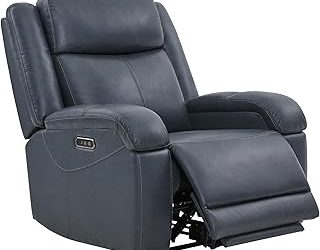
Watson & Whitely Oversized Leather Power Recliner
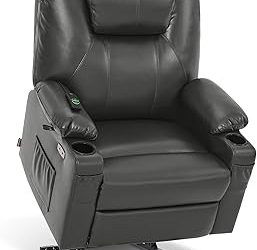
The navy blue top-grain leather and reinforced steel wall-hugger frame make this the most durable option for big-and-tall users on the list. Integrated power headrest and dual USB-C ports mean you stay comfortable and connected without an awkward reach to a wall outlet.
FLEXISPOT Mochi Oversized Power Recliner
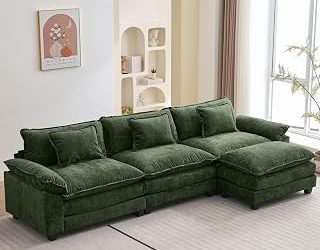
Fifty-four inches of wide single-sofa territory wrapped in dense chenille sets this apart for anyone who finds standard recliners too narrow for a relaxed cross-legged position. The USB and Type-C charging ports are thoughtfully recessed into the arm, and the included pillows add genuine lumbar depth rather than being decorative filler.
Signature Design by Ashley Boyington Zero Gravity Recliner
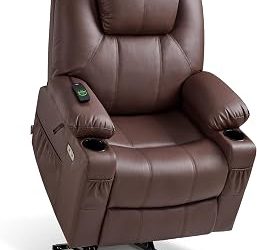
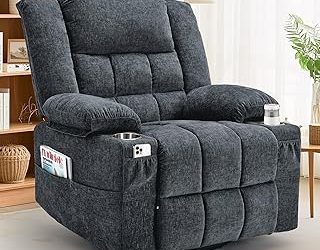
Air-massage and heat therapy integrated into a zero-gravity recline angle shift your center of gravity off the lumbar entirely—smart engineering for users with lower-back sensitivity. The extended ottoman and adjustable headrest round out a package that punches above its 250-lb weight class in comfort.
Korser 360° Swivel Rocker Recliner
The full 360-degree swivel paired with a rocking arc makes this the most versatile motion recliner in the group, especially appealing for nursery use where smooth, quiet mechanics matter. Massage nodes with a heating element at the lumbar zone add a therapeutic layer that’s rare at this price point.
Homall PU Leather Recliner
For home-theater setups on a budget, the Homall’s straightforward single-pull recline and fixed lumbar bolster keep things simple and surprisingly supportive for shorter sessions. The PU leather wipes clean easily, though it won’t develop the patina of genuine hides over years of nightly use.
Frequently Asked Questions
How long should a quality recliner last?
A well-built recliner with a solid hardwood frame and high-density foam typically delivers seven to fifteen years of daily use before mechanisms need service or cushioning noticeably compresses.
Is a wall-hugger recliner better for small rooms?
Wall-hugger models need only two to four inches of clearance behind the backrest, making them significantly more space-efficient than traditional recliners that require a foot or more of swing room.
Can big-and-tall users safely use standard recliners?
Standard recliners often max out at 250 to 300 lbs with narrow seat pans; big-and-tall-specific models use reinforced mechanisms and wider frames rated to 350 lbs or higher for safe, lasting support.
Manual or power recline—what’s more reliable long-term?
Manual mechanisms have fewer failure points, but modern power motors are rated for thousands of cycles; the real trade-off is that motor repairs cost more, while manual springs can be serviced more affordably.
Final Thoughts
For the best blend of ergonomic design and lasting build quality, the Watson & Whitely leather power recliner leads the pack, with the FLEXISPOT Mochi as a standout for wide-seated comfort and the Ashley Boyington zero-gravity model excelling at therapeutic support. Any of these three will serve your back and your living room well beyond the first year.