Key takeaways
- Handle geometry and reach: A vertical D-handle keeps your wrist neutral through the plunge; horizontal grips force pronation and fatigue the forearm faster. Check that the trigger and safety release sit under one finger span, and that ambidextrous designs actually mirror properly rather than just tolerating a left hand.
- Control placement: Rear-mounted bevel locks mean leaning over a spinning blade every adjustment. Front bevel controls, thumb-accessible detent overrides, and a miter lock you can work without releasing the workpiece are worth more than an extra 500 RPM.
- Base and fence construction: Look for a cast, machined table and tall extruded fences. Stamped steel fences flex under clamp pressure and are the most common source of creeping inaccuracy on inexpensive saws.
- Slide mechanism quality: On sliding models, the rails and bearings do the accuracy work. Test for lateral play at full extension; any wobble there translates straight into a bevel that isn’t. Rear-rail designs need clearance behind the bench, so measure your shop first.
- Cut-line indication and dust control: LED shadow projection stays accurate as blades wear and needs no calibration; lasers drift and require periodic adjustment. Also check dust-port angle, since a port aimed into your knee undermines every collection setup.
What's inside
Most miter saw regret doesn’t show up on day one. It shows up on hour nine, when your wrist is arguing with a handle angle that was designed for a photo shoot rather than a human forearm, or two winters later, when the fence has drifted a hair out of square and every mitered picture frame comes off the saw with a hairline gap you can see from across the room. Buyers shopping the value end of the market usually compare motor amps and blade diameter, because those numbers are easy to line up side by side. Grip geometry, bevel-lock reach, slide-rail bearing quality, and the flatness of the cast base after a few hundred thermal cycles are much harder to read off a spec sheet, and those are the things that decide whether a saw stays pleasant and accurate.
This guide looks at budget-friendly miter saws through that lens: how the machine sits under your hands, how far you have to stretch or twist to change a setting, how much of the assembly is machined metal versus stamped and painted, and which wear points tend to loosen first. I’ve noted where a saw’s handle design genuinely accommodates left-handed users, where the carry balance makes truck-to-jobsite trips tolerable, and where a manufacturer spent money on the parts that hold tolerance instead of the parts that look impressive in packaging photography.
As an Amazon Associate we earn from qualifying purchases.



How to Choose a Price Miter Saw (2026)
- Handle geometry and reach: A vertical D-handle keeps your wrist neutral through the plunge; horizontal grips force pronation and fatigue the forearm faster. Check that the trigger and safety release sit under one finger span, and that ambidextrous designs actually mirror properly rather than just tolerating a left hand.
- Control placement: Rear-mounted bevel locks mean leaning over a spinning blade every adjustment. Front bevel controls, thumb-accessible detent overrides, and a miter lock you can work without releasing the workpiece are worth more than an extra 500 RPM.
- Base and fence construction: Look for a cast, machined table and tall extruded fences. Stamped steel fences flex under clamp pressure and are the most common source of creeping inaccuracy on inexpensive saws.
- Slide mechanism quality: On sliding models, the rails and bearings do the accuracy work. Test for lateral play at full extension; any wobble there translates straight into a bevel that isn’t. Rear-rail designs need clearance behind the bench, so measure your shop first.
- Cut-line indication and dust control: LED shadow projection stays accurate as blades wear and needs no calibration; lasers drift and require periodic adjustment. Also check dust-port angle, since a port aimed into your knee undermines every collection setup.
The Best Price Miter Saw (2026)s Reviewed
DEWALT DWS780 12-Inch Double Bevel Sliding Compound Miter Saw
The XPS shadow light remains the most durable cut-indication system available at any price, because there’s nothing to recalibrate as the blade gets thinner, and the machined base holds square through years of seasonal humidity swings. The trade-off is mass and rear-rail clearance, so plan a permanent station rather than a saw you carry daily.
SKIL 10″ Dual Bevel Sliding Compound Miter Saw (MS6305-00)
SKIL’s control layout is the standout here: bevel and miter adjustments sit where your hands already are, which meaningfully reduces the awkward reaching that wears people down on long trim runs. The 10-inch dual-bevel format keeps the footprint reasonable without giving up compound capability.
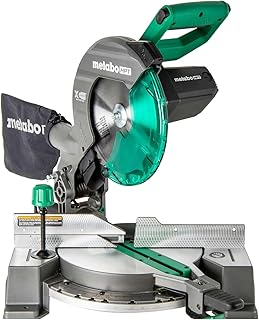
Metabo HPT C10FCG2 10-Inch Single Bevel Compound Miter Saw
A genuinely light chop saw with a well-balanced carry point and the Xact Cut shadow line, which is unusual generosity in this bracket. It’s the right tool if you move between rooms or job sites often and can live without slide capacity.
DOVAMAN 12-Inch Dual-Bevel Sliding Miter Saw
The ambidextrous handle is the real story: left-handed users get a proper mirrored grip instead of a compromise, and the 13-inch crosscut capacity handles wide shelving stock. Verify rail play out of the box, as that’s where budget sliders vary most between units.
DOVAMAN Updated 10-Inch Sliding Miter Saw
The dual-speed motor (5000/3200 RPM) is the ergonomic feature here, since dropping to the lower speed for aluminum and PVC cuts chatter and the vibration that travels up your arm. Three included blades let you avoid the temptation to force one blade through materials it wasn’t ground for.
Frequently Asked Questions
Does a bigger blade mean a better saw?
Only for capacity. A 12-inch blade spins with more deflection than a 10-inch one, so a well-built 10-inch saw often produces cleaner cuts. Size up only if you regularly cut wide baseboard or 4x material.
Is a sliding saw worth the extra cost?
If your work involves shelving, wide casing, or cabinet panels, yes. For furniture built from narrower stock, a rigid chop saw has fewer moving parts to loosen and generally holds accuracy longer.
How do I keep a budget saw accurate?
Check the fence against the blade with a machinist square every few months, keep the detent plate clean of sawdust, and never use the bevel stop as a hard stop under force. Most drift comes from debris, not wear.
Single or dual bevel?
Dual bevel saves you from flipping and re-marking crown and long trim, which reduces both errors and repetitive lifting. Single bevel is fine for straightforward furniture joinery.
Final Thoughts
For a permanent bench where accuracy has to hold for years, the DEWALT DWS780 earns its keep through the machined base and maintenance-free shadow line. If you value comfortable, reachable controls in a smaller footprint, the SKIL MS6305-00 is the smarter ergonomic buy, while the Metabo HPT C10FCG2 is the one to grab if you carry your saw more often than you bolt it down.