Key takeaways
- Posture and proportions: Look for a seat that supports your lower back without forcing your pelvis forward. Taller users generally benefit from a higher seat and a longer footrest, while shorter users need feet that can rest securely rather than dangle.
- Reclining control: Independent back and footrest adjustment gives you more useful positions than a single fixed angle. A broad range, including a near-flat setting, is helpful for reading, napping, and reducing pressure behind the knees.
- Frame durability: Powder-coated metal and well-supported wicker structures can handle regular outdoor use, but inspect joints, hinges, and load-bearing pivots closely. A solid frame should feel quiet and controlled rather than springy or rattly.
- Cushion performance: Thick padding is not automatically ergonomic. Favor cushions that resist bottoming out, retain their shape, and use removable, weather-conscious covers. Olefin is particularly practical for outdoor seating because it dries relatively quickly and handles sunlight well.
- Maintenance and placement: Even an all-weather chair lasts longer under a cover or roof. Check whether cushions can be removed, whether water can drain from the seat, and whether the recliner has enough clearance to operate without striking walls or nearby furniture.
What's inside
Outdoor recliners often look inviting in a product photo but disappoint after a season of use. Frames flex, cushions flatten, reclining mechanisms bind, and exposed hardware starts to corrode where rainwater collects. The right chair must do more than recline: it should support your body evenly, remain stable during movement, and tolerate the repeated loading that outdoor furniture experiences.
This guide evaluates the leading options from an ergonomics-and-durability perspective. We focus on posture, seat height, cushion resilience, frame construction, adjustment range, ease of maintenance, and practical details such as footrest support and side tables. Because comfort is highly individual, the best choice depends on how you sit, how often you recline, and whether the chair will live under cover or in full weather.
As an Amazon Associate we earn from qualifying purchases.


How to Choose a/an Outdoor Recliner (2026)
- Posture and proportions: Look for a seat that supports your lower back without forcing your pelvis forward. Taller users generally benefit from a higher seat and a longer footrest, while shorter users need feet that can rest securely rather than dangle.
- Reclining control: Independent back and footrest adjustment gives you more useful positions than a single fixed angle. A broad range, including a near-flat setting, is helpful for reading, napping, and reducing pressure behind the knees.
- Frame durability: Powder-coated metal and well-supported wicker structures can handle regular outdoor use, but inspect joints, hinges, and load-bearing pivots closely. A solid frame should feel quiet and controlled rather than springy or rattly.
- Cushion performance: Thick padding is not automatically ergonomic. Favor cushions that resist bottoming out, retain their shape, and use removable, weather-conscious covers. Olefin is particularly practical for outdoor seating because it dries relatively quickly and handles sunlight well.
- Maintenance and placement: Even an all-weather chair lasts longer under a cover or roof. Check whether cushions can be removed, whether water can drain from the seat, and whether the recliner has enough clearance to operate without striking walls or nearby furniture.
The Best Outdoor Recliner (2026)s Reviewed
Grand patio Outdoor Recliner
The Grand patio Outdoor Recliner combines an independent adjustable back and footrest with a 150-degree lay-flat range, making it unusually adaptable for different body positions. Its removable olefin cushion and flip-up table improve everyday usability, while the wicker exterior gives the chair a furniture-like appearance; keep the moving parts clean and covered when possible to protect long-term smoothness.
Resort-Grade Outdoor Swivel Recliner
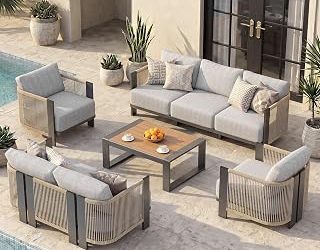
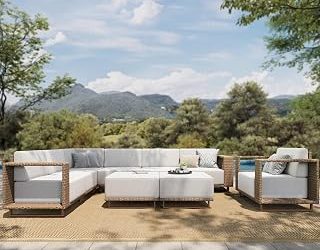
This resort-style three-piece set stands out for its 6.2-inch cushions, taller-user-friendly proportions, and dual-adjust 3-in-1 glide and swivel action. The extra movement can reduce the need to twist your spine when reaching or conversing, although it is worth allowing generous clearance around the chair so the swivel and glide functions remain unrestricted.
Oversized Wicker Outdoor Swivel Glider Recliner
The oversized Wicker Outdoor Swivel Glider Recliner is a strong fit for users who prefer a broader seat and gentle motion rather than a compact upright chair. Its adjustable backrest and footrest support relaxed lounging, but buyers with smaller frames should verify that the seat depth does not leave a gap behind the lower back.
SUNCROWN Outdoor Adjustable Recliner Chair
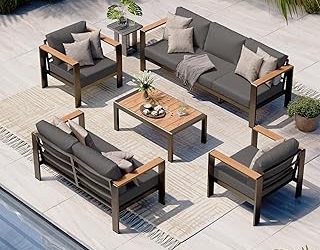
The SUNCROWN Outdoor Adjustable Recliner Chair takes a more straightforward approach, pairing a metal outdoor frame with thick cushioning and a brown finish. It is a sensible choice for buyers who want adjustable comfort without a more elaborate swivel or gliding base; placing it on a level surface is especially important for maintaining stable, predictable reclining.
Upgraded Outdoor Recliner Chair
This upgraded recliner offers a 150-degree lay-flat position, an extended footrest, a removable olefin cushion, and an integrated flip table. The longer leg support is valuable for taller users because it distributes pressure along the calves instead of concentrating it at the heel, while the exposed adjustment areas deserve routine cleaning after dusty or wet weather.
Frequently Asked Questions
Is a lay-flat outdoor recliner better for your back?
Not necessarily, but a near-flat position can reduce pressure at the hips and knees for some users. The key is maintaining support through the lumbar area and avoiding prolonged positions that cause numbness or strain.
Can outdoor recliners stay outside year-round?
They may tolerate outdoor exposure, but year-round exposure shortens the life of cushions, finishes, and mechanisms. Use a breathable cover, remove cushions during severe weather, and allow wet materials to dry fully before covering the chair.
How much clearance does a reclining patio chair need?
Measure from the chair’s back to the furthest point reached by the footrest, then add a few inches for comfortable circulation. Swivel and glider models also need side clearance so they do not strike walls, tables, or neighboring chairs.
What is the best outdoor recliner material?
There is no single best material. Powder-coated metal offers a firm structural base, wicker-style resin is easy to coordinate with patio furniture, and olefin upholstery is a practical choice for resisting sun and routine outdoor wear.
Final Thoughts
The Grand patio Outdoor Recliner is the strongest all-around pick for adjustable positioning and practical features, while the Resort-Grade Outdoor Swivel Recliner is especially compelling for taller users who value substantial cushioning and movement. For a simpler, more conventional chair, the SUNCROWN offers a dependable balance of adjustability, padding, and outdoor-friendly construction.