Key takeaways
- Frame material: Aluminum resists rust and is relatively easy to maintain, while wood offers warmth and can be repaired or refinished but requires more regular protection.
- Roof performance: Polycarbonate panels block much of the sun while admitting daylight; louvers provide adjustable ventilation and shade but add moving parts that need inspection.
- Anchoring: Thick posts and substantial bases improve stability, but a pergola still needs secure attachment to an appropriate surface or foundation, especially in exposed locations.
- Shade usability: Retractable fabric, adjustable louvers, and curtains each solve different problems. Consider whether you need quick shade changes, airflow, privacy, or full overhead coverage.
- Maintenance burden: Look for drainage paths, washable fabrics, corrosion-resistant hardware, and replaceable components to reduce seasonal upkeep and extend service life.
What's inside
Choosing a pergola is less about finding the most attractive roof and more about matching materials to wind, rain, sun exposure, maintenance habits, and the way the structure will be used. A lightweight canopy may feel comfortable in summer but struggle in gusty weather, while a heavy aluminum or polycarbonate design can demand more careful anchoring and installation.
This guide compares pergola materials and construction features from an ergonomics-and-durability perspective. The focus is on shade control, daily usability, structural support, drainage, upkeep, and long-term comfort—not simply appearance—so you can choose a setup that works well in your particular outdoor space.
As an Amazon Associate we earn from qualifying purchases.


How to Choose a/an Materials For Pergola (2026)
- Frame material: Aluminum resists rust and is relatively easy to maintain, while wood offers warmth and can be repaired or refinished but requires more regular protection.
- Roof performance: Polycarbonate panels block much of the sun while admitting daylight; louvers provide adjustable ventilation and shade but add moving parts that need inspection.
- Anchoring: Thick posts and substantial bases improve stability, but a pergola still needs secure attachment to an appropriate surface or foundation, especially in exposed locations.
- Shade usability: Retractable fabric, adjustable louvers, and curtains each solve different problems. Consider whether you need quick shade changes, airflow, privacy, or full overhead coverage.
- Maintenance burden: Look for drainage paths, washable fabrics, corrosion-resistant hardware, and replaceable components to reduce seasonal upkeep and extend service life.
The Best Materials For Pergola (2026)s Reviewed
10′ x 20′ Lean-to Aluminum and Polycarbonate Pergola
This wall-mounted lean-to pergola combines an aluminum frame with polycarbonate roofing, making it a practical choice when floor space is limited. The solid roof offers dependable overhead protection and daylight, but installation requires a sound wall structure and careful attention to flashing and water runoff.
Slanted Roof Pergola Bracket and Post Base Kit
The Pergola Kit with 3-Way Brackets is a useful route for DIY builders who want to construct a wood pergola from 4-inch nominal lumber. Its bracket-and-base approach can simplify alignment and improve consistency, although the finished structure’s durability depends heavily on properly treated timber, fasteners, anchoring, and post protection.
Modern Shade 10 x 20 Hybrid Hardtop Pergola
This hybrid design pairs a hardtop roof with adjustable Textilene shade and privacy curtains, giving it more flexibility than a fixed canopy alone. It suits households that want a defined outdoor room, though curtains and textile components should be secured or removed during severe weather to reduce strain on the frame.
AECOJOY 8′ x 5′ Grill Gazebo
The compact AECOJOY grill gazebo is well suited to outdoor cooking areas, balconies, and narrow patios where a full-size pergola would overwhelm the space. Its hardtop design helps shield cooks from sun and light rain, while the smaller footprint makes accurate placement and anchoring especially important around grills and other heat-producing equipment.
PURPLE LEAF 10′ x 10′ Retractable Canopy Pergola
This aluminum pergola uses a sliding, yarn-dyed canopy that can be positioned to balance shade and daylight throughout the day. Its thick posts and low-care fabric are attractive for regular family use; the main durability advantage is practical adjustability, since users can retract the canopy when weather conditions become unfavorable.
Frequently Asked Questions
Is aluminum or wood better for a pergola?
Aluminum is usually the easier long-term choice for damp climates because it will not rot and generally needs only routine cleaning. Wood offers a more natural appearance and can be customized extensively, but it needs sealing, inspection, and occasional replacement of weathered components.
Are polycarbonate pergola roofs durable?
Quality polycarbonate panels are impact-resistant and provide useful rain and sun protection without making the area completely dark. They can still expand, scratch, or discolor over time, so correct installation, adequate drainage, and gentle cleaning are important.
Do retractable canopies work in windy weather?
They are convenient in calm or moderately variable conditions, but fabric can act like a sail when wind rises. Retract or secure the canopy according to the manufacturer’s guidance, and do not treat a retractable roof as a substitute for a permanently engineered wind-rated structure.
What is the most important pergola durability feature?
Reliable anchoring is often more important than the roof material itself. A well-designed frame cannot perform safely if posts are attached to weak decking, undersized footings, or unsuitable masonry, so inspect the installation surface before choosing a model.
Final Thoughts
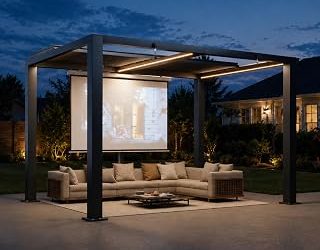
For a low-maintenance fixed roof, the 10′ x 20′ aluminum and polycarbonate lean-to is a strong option; the PURPLE LEAF retractable canopy is better for flexible everyday shade, while the PURPLE LEAF louvered pergola offers the most control over changing light and airflow. Choose the system whose anchoring, drainage, and maintenance demands suit your site—not merely the one with the most features.