Key takeaways
- Grain Quality: Full-grain and top-grain leathers retain the natural fiber structure of the hide, which directly translates to superior tensile strength and resistance to puncture. If your sofa sees daily family use, genuine grain leather will outlast every synthetic alternative by a wide margin.
- Thickness and Weight: Leather for sofa upholstery ideally falls between 0.9 mm and 1.3 mm. Thinner sheets under 0.7 mm work for accent pieces but will stretch and deform under sustained body pressure on a seating surface. Thicker hides distribute weight more evenly and resist sagging.
- Surface Finish and Coating: Aniline-dyed leathers offer the softest hand feel and best breathability but require more care. Pigmented and PU-coated leathers sacrifice some natural texture for stain resistance and easier cleaning—often the smarter choice for households with children or pets.
- Coverage Area Per Unit: A single full cowhide side (20+ sq. ft.) can cover a chair seat and back, while a large 40–44 sq. ft. hide can handle a loveseat or large sectional cushion set. Buying the right size reduces waste seams and improves the ergonomic feel of the finished piece, since fewer seams mean fewer pressure points against the body.
- Ergonomic Flex and Recovery: Quality upholstery leather should compress under load and spring back without permanent creasing. Genuine cowhide excels at this, but premium PU leathers with a microfiber backing can also perform well for moderate-use furniture. Always check the material’s memory under repeated compression before committing to a large project.
What's inside
If you’ve ever run your hand across a worn sofa cushion and felt the material cracking, peeling, or stretching thin, you already know the frustration of choosing the wrong upholstery leather. The market is flooded with everything from genuine full-grain hides to synthetic PU sheets, and the differences in durability, comfort, and long-term performance are enormous. Buyers often end up overpaying for material that doesn’t hold up, or cheaping out on a product that falls apart within a year of daily use.
This 2026 guide breaks down six top-rated leather options ranked through the lens of an ergonomics-and-durability specialist—someone who tests how materials flex under body weight, how they breathe against skin over hours of sitting, and how they resist abrasion after thousands of use cycles. Whether you’re reupholstering a family room sofa, patching a leather chair, or tackling a full DIY furniture project, these picks cover a practical range of genuine hides and high-quality synthetics that are genuinely worth your time and money.
As an Amazon Associate we earn from qualifying purchases.




How to Choose a Leather For Sofa (2026)
- Grain Quality: Full-grain and top-grain leathers retain the natural fiber structure of the hide, which directly translates to superior tensile strength and resistance to puncture. If your sofa sees daily family use, genuine grain leather will outlast every synthetic alternative by a wide margin.
- Thickness and Weight: Leather for sofa upholstery ideally falls between 0.9 mm and 1.3 mm. Thinner sheets under 0.7 mm work for accent pieces but will stretch and deform under sustained body pressure on a seating surface. Thicker hides distribute weight more evenly and resist sagging.
- Surface Finish and Coating: Aniline-dyed leathers offer the softest hand feel and best breathability but require more care. Pigmented and PU-coated leathers sacrifice some natural texture for stain resistance and easier cleaning—often the smarter choice for households with children or pets.
- Coverage Area Per Unit: A single full cowhide side (20+ sq. ft.) can cover a chair seat and back, while a large 40–44 sq. ft. hide can handle a loveseat or large sectional cushion set. Buying the right size reduces waste seams and improves the ergonomic feel of the finished piece, since fewer seams mean fewer pressure points against the body.
- Ergonomic Flex and Recovery: Quality upholstery leather should compress under load and spring back without permanent creasing. Genuine cowhide excels at this, but premium PU leathers with a microfiber backing can also perform well for moderate-use furniture. Always check the material’s memory under repeated compression before committing to a large project.
The Best Leather For Sofa (2026)s Reviewed
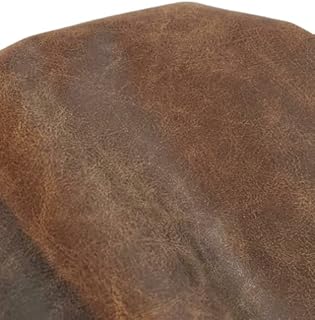
Full Hide 40–44 Sq.Ft. Brown Tan Cognac Cowhide
This generous full-hide option stands out for large-scale reupholstery projects where coverage really matters. At 40–44 square feet with a soft, two-tone weekender finish, it handles sectional cushions without excessive piecing. The chap cowhide construction provides an excellent balance of suppleness and structural memory—critical when the material must conform to contoured seat foam and return to shape after hours of sitting. This is the pick for anyone tackling a complete sofa rebuild.
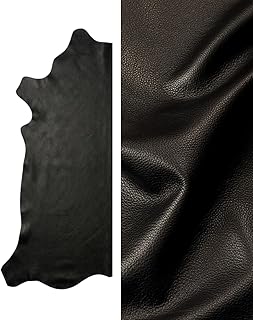
Premium Genuine Leather Natural Grain Cowhide (Full Side)
At 20 square feet of natural-grain cowhide, this full-side option delivers authentic leather performance for individual chairs, ottomans, or targeted cushion replacement. The unprocessed grain surface breathes exceptionally well, reducing the sticky, overheated feeling that plagues cheaper materials during long sitting sessions. For tooling and DIY projects where tactile quality matters as much as durability, this hide punches well above its price tier.
Wento Thick Faux Leather PU Fabric
For those working within a tighter budget who still demand genuine furniture-grade performance, Wento’s PU leather offers a surprisingly robust alternative. The 1-yard cut provides adequate material for a single-seat reupholstery or a set of cushion covers, and the soft skin-grain texture resists the plasticky feel that ruins most faux leathers. It holds up well under moderate daily use and cleans easily, making it a practical choice for dining chairs and occasional-seating furniture.
NAT Leathers Brown Distressed Oily Faux Vegan Leather
NAT’s PETA-approved vegan leather brings a distinctive crazy-horse distressed aesthetic that mimics aged genuine hide remarkably well. At 0.9 mm thickness and a full 36″ × 54″ cut, it handles smaller upholstery jobs with a warm, lived-in look from day one. The oily finish adds a layer of scratch resistance that other PU leathers lack, though it won’t match genuine hide longevity under heavy daily abrasion. A strong pick for accent furniture and environmentally conscious buyers.
Faux Leather Fabric Smooth Solid 54″ × 36″
This smooth solid faux leather sheet is the versatile utility player of the group—well-suited for boat seating, DIY sewing projects, and smaller sofa accent panels. The generous 54″ × 36″ dimensions give you flexibility without excessive waste, and the dark brown tone pairs naturally with most existing décor. It won’t match a genuine hide’s long-term wear characteristics, but for the price it delivers reliable performance in low-to-moderate traffic applications.
Frequently Asked Questions
What thickness of leather is best for reupholstering a sofa?
For primary seating surfaces, target leather between 1.0 mm and 1.3 mm (approximately 2.5–3 oz). This thickness provides the structural integrity needed to withstand thousands of compression cycles from body weight without thinning or developing permanent stretch marks. Anything lighter suits accent pillows or decorative panels rather than load-bearing cushion covers.
Can faux leather hold up as well as genuine leather on a sofa?
Premium PU and microfiber-backed faux leathers can perform adequately for three to five years on moderately used furniture, but genuine full-grain leather consistently outlasts synthetics in long-term durability testing. Faux leather tends to crack and delaminate as the polyurethane coating breaks down, while genuine hide develops a patina that actually improves with age. For a high-traffic family sofa, genuine leather remains the superior long-term investment.
How much leather do I need to cover a standard three-seat sofa?
A standard three-seat sofa typically requires 18 to 25 square yards of material depending on cushion style and arm configuration. A single full cowhide side (around 20 sq. ft.) will cover one or two cushions, so a full sofa reupholstery project generally calls for multiple hides or a large 40+ sq. ft. hide combined with smaller pieces for arms and back panels. Always order 10–15% more than your measurements suggest to account for grain direction matching and cutting waste.
Is distressed leather more durable than smooth-finish leather?
Distressed finishes can actually mask minor scratches and wear better than smooth surfaces, which makes them forgiving for everyday household use. However, the underlying leather quality—not the surface finish—is what determines true durability. A well-made distressed full-grain hide will outperform a smooth-finished split leather every time, so focus your evaluation on grain quality and thickness rather than finish style alone.
Final Thoughts
For most sofa reupholstery projects in 2026, the Full Hide 40–44 Sq.Ft. Cognac Cowhide offers the best combination of coverage, ergonomics, and long-term durability for full furniture builds. If you’re working on individual chairs or smaller projects and want premium natural grain at a lower entry point, the Premium Genuine Leather Natural Grain Full Side is an outstanding value. And for budget-conscious buyers who still want a material that won’t embarrass their living room within a year, the Wento Thick Faux Leather PU delivers furniture-grade performance at a fraction of the cost of genuine hide.