Key takeaways
- Tread width and depth: Anything narrower than 4 inches front-to-back forces the arch to bear load on a single line, which is unstable on wet skin. Look for 4-inch-plus depth and at least 16 inches of lateral width so feet can land without precision aiming. Twenty inches is noticeably more forgiving.
- Rise between steps: Consistent 10 to 12 inch spacing keeps knee flexion within a comfortable range. Uneven or oversized gaps at the bottom rung are a common design flaw and the usual culprit behind hamstring strains.
- Handrail geometry: A 1 to 1.25 inch tube diameter fits the power grip of most adult hands. Rails should extend above the dock surface so the pull happens with the elbow bent, not overhead, which protects the rotator cuff.
- Alloy and fastener match: Salt or brackish water demands 316 stainless throughout, including hardware. Freshwater lakes tolerate marine-grade aluminum well, but mixing aluminum frames with steel bolts invites galvanic corrosion at exactly the joints you depend on.
- Weld and joint construction: Fully welded frames outlast bolted assemblies because bolt holes concentrate stress and loosen through thermal cycling. If a ladder telescopes or folds, inspect how the pivot is reinforced, as that hinge carries the entire dynamic load.
What's inside
Climbing out of the water is the single most demanding movement anyone makes at a dock, and it happens when the body is least prepared for it. Muscles are cold, grip strength is reduced, and the first step is usually taken blind with a foot searching under the waterline. Most dock ladders sold today are engineered around load ratings alone, which tells you what the frame can hold but nothing about whether a 68-year-old shoulder can pull against the handrail without wrenching, or whether a wet size-11 foot lands squarely on the tread instead of half off the edge. That gap between structural capacity and human capability is where injuries happen.
This guide evaluates dock ladders the way a fatigue engineer and a movement specialist would together: step geometry and spacing, handrail diameter and reach, standoff distance from the dock face, weld quality at stress concentrations, and how each material behaves after several seasons of freeze-thaw cycling or saltwater exposure. Below you’ll find the models worth considering in 2026, followed by a selection framework you can apply to any ladder you’re weighing.
As an Amazon Associate we earn from qualifying purchases.


How to Choose a Dock Ladder (2026)
- Tread width and depth: Anything narrower than 4 inches front-to-back forces the arch to bear load on a single line, which is unstable on wet skin. Look for 4-inch-plus depth and at least 16 inches of lateral width so feet can land without precision aiming. Twenty inches is noticeably more forgiving.
- Rise between steps: Consistent 10 to 12 inch spacing keeps knee flexion within a comfortable range. Uneven or oversized gaps at the bottom rung are a common design flaw and the usual culprit behind hamstring strains.
- Handrail geometry: A 1 to 1.25 inch tube diameter fits the power grip of most adult hands. Rails should extend above the dock surface so the pull happens with the elbow bent, not overhead, which protects the rotator cuff.
- Alloy and fastener match: Salt or brackish water demands 316 stainless throughout, including hardware. Freshwater lakes tolerate marine-grade aluminum well, but mixing aluminum frames with steel bolts invites galvanic corrosion at exactly the joints you depend on.
- Weld and joint construction: Fully welded frames outlast bolted assemblies because bolt holes concentrate stress and loosen through thermal cycling. If a ladder telescopes or folds, inspect how the pivot is reinforced, as that hinge carries the entire dynamic load.
The Best Dock Ladders of 2026 Reviewed
316 Stainless Steel 4-Step Folding Pontoon Ladder
All-welded 316 construction with reinforced pivots makes this the most durable option here, and the wide treads paired with substantial handrails give the cleanest biomechanics for older swimmers or anyone with limited shoulder mobility. It is the ladder I would specify for saltwater or a dock that sees daily traffic.
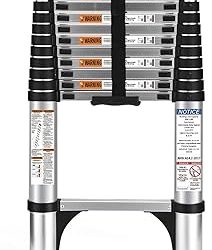
4-Step Stainless Telescoping Dock Ladder
The 600-pound rating comes with genuinely wide anti-slip pedals and dual handrails, and the telescoping action collapses cleanly for winter storage without disassembly. Rear-entry geometry means the climb happens with the torso upright rather than leaning back, which reduces the awkward hip hinge at the top step.
RecPro Marine 4-Step Flip Up Ladder
At 20 inches wide, this is the most generous foot target in the group, and the flip-up design keeps the frame out of ice and floating debris between uses. A strong choice for families with children or mixed ability levels, since nobody has to aim.
VEVOR Dock Stairs 4 Steps, 500 lbs
The adjustable-height aluminum frame is the standout feature, letting you tune step rise to match your freeboard rather than accepting whatever gap the manufacturer assumed. Widened nonslip pedals and handrails round out a well-considered ergonomic package for freshwater docks.
VEVOR Removable Dock Ladder, 4 Steps
A sensible entry point for seasonal or lightly used docks, with 4-inch treads and nonslip matting where it matters most. The 350-pound rating and removable mounting suit a cottage or shared dock more than a heavy-use installation.
Frequently Asked Questions
How many steps should extend below the waterline?
Two, minimum. A single submerged step forces the first pull to happen with almost no leg contribution, loading the shoulders and lower back. Three submerged steps is better for anyone with reduced strength.
Is aluminum or stainless steel the better long-term choice?
Marine-grade aluminum performs well in freshwater and weighs far less, making removal and reinstallation manageable alone. In salt or brackish water, 316 stainless is the durable answer despite the added weight and cost.
Do rope ladders have a legitimate place?
Yes, as backup or for craft where a rigid ladder cannot mount. A reinforced polyester rope ladder with rigid resin steps stows in a locker and provides emergency reboarding, but it swings under load and demands core strength, so it should not be a primary dock ladder.
What maintenance actually extends service life?
Rinse fasteners and pivots with fresh water after saltwater exposure, check bolt torque at the start and end of each season, and remove the ladder before ice forms. Ice expansion around a submerged frame is the leading cause of bent rails.
Final Thoughts
For the best combination of longevity and joint-friendly climbing, the 316 stainless all-welded folding ladder is the one to buy and forget about. Families and mixed-ability docks are better served by the RecPro Marine 4-Step Flip Up for its exceptionally wide treads, while the VEVOR Dock Stairs with adjustable height offer the smartest way to dial in comfortable step spacing on a freshwater setup.