Our Top Picks
 1917 Lead-Free Crystal Whiskey Decanter Set37.2 Ounces5.1 x 5.1 x 9.4 inches9.1 PoundsCheck on Amazon
 Marquis By Waterford Markham Square Decanter & Double2 Count (Pack of 1)3.5 x 3.5 x 7 inches1 poundsCheck on Amazon
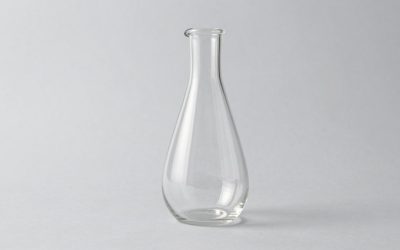
The best crystal whiskey decanters for bourbon lovers are those with lead-free crystal clarity, a 750 ml or 1-liter capacity, a stopper that seals firmly without sticking, and an opening wide enough to clean properly.
A decanter can improve presentation and make serving easier, but it will not improve bourbon’s flavor in the same way a proper glass does. Its practical jobs are containing the bottle’s contents, protecting the whiskey from dust and excessive evaporation, and fitting comfortably on your bar or furniture. The right choice depends less on ornate cutting and more on glass composition, closure design, capacity, and maintenance.

LIGHTEN LIFE Whiskey Decanter 29oz, Crystal Whiskey Decanter with Stopper, Non-Lead, 828ml, Clear, Durable, Dishwasher Safe, Classic European Design, Gift Box Included, Bourbon, Liquor Whisky
Chosen because it specifies Crystal Whiskey Decanter with Stopper and Non-Lead.
View on Amazon1917 Lead-Free Crystal Whiskey Decanter Set, 37 oz, 4 Glasses, Premium Gift Box for Bourbon, Scotch & Home Bar
Chosen because it specifies 37 oz and 4 Glasses.
View on AmazonMarquis By Waterford Markham Square Decanter & Double Old Fashion Pair Decanter Set, 2 Count (Pack of 1), Clear, 30 fluid ounces
Chosen because it specifies 2 Count (Pack of 1) and Clear.
View on Amazon
KANARS Whiskey Decanter And Glasses Set in Unique Gift Box - Original Crystal Liquor Decanter Set For Bourbon, Scotch, Vodka, Rum or Whisky, 5-Piece, Gifts for Men Dad
Chosen because it specifies Original Crystal Liquor Decanter Set For Bourbon and Scotch.
View on AmazonQuick picks by bourbon-drinking situation
| Situation | Best decanter type | Why it fits | Watch for |
|---|---|---|---|
| Small apartment bar | Compact 750 ml square or rectangular decanter | Uses less shelf depth and holds one standard bottle | Measure cabinet clearance; stoppers can add 1–2 inches to total height |
| Large bourbon collection | 1-liter or 1.25-liter heavy-base decanter | Allows headroom and reduces frequent refilling | Full weight can exceed 5 pounds |
| Children or pets at home | Thick-walled, low-profile decanter with a snug stopper | Lower center of gravity is harder to tip | Crystal remains breakable; keep it behind a closed door |
| Frequent hosting | Wide-mouth decanter with clear graduated capacity | Easier pouring, refilling, and identification | A wide opening can allow faster evaporation if the seal is loose |
| Traditional formal bar | Cut-crystal decanter with a substantial base | Provides classic visual appeal and refracts light | Deep cuts require more careful hand-washing |
Crystal clarity: clear, brilliant, and practical
For bourbon, clarity is primarily a visual decision. A highly transparent decanter lets you see the whiskey’s amber color and any sediment, while deeply patterned crystal creates sparkle but can make the liquid harder to inspect. Look for a smooth, even surface without visible bubbles, cloudy patches, or significant distortion near the base.
Lead-free crystal is the simplest everyday choice. It can offer good brilliance and is preferable for drinkers who plan to store whiskey in the decanter for extended periods. Traditional lead crystal is valued for its weight, ring, and refractive appearance, but it requires more care. Avoid assuming that “crystal” automatically means better: some lightweight crystal-look glass offers less visual depth but may be easier to handle and less expensive to replace.
How the finish affects bourbon storage
- Plain or lightly faceted crystal: Best for checking color, liquid level, and cleanliness.
- Deep-cut crystal: Most decorative, but fingerprints, residue, and water spots can hide in the pattern.
- Colored or frosted crystal: Attractive for display, though it obscures the bourbon’s natural color.
- Thin-walled crystal: Lighter and easier to pour, but less forgiving of knocks.
- Thick-walled crystal: More stable and substantial, but heavier when full.
Capacity: match the decanter to the bottle and the bar
A standard bourbon bottle commonly holds 750 ml, so a 750 ml decanter can work if you transfer the entire bottle carefully. A 1-liter decanter is usually more convenient because it provides room for pouring without spilling and leaves space below the stopper. A 1.25-liter model suits collectors who want a substantial display piece, but it can become unwieldy when full.
| Nominal capacity | Best use | Approximate full liquid weight | Typical footprint and height |
|---|---|---|---|
| 500 ml | Small servings, tasting bar, or secondary pour | About 2.1 lb before adding glass | 3.5–4.5 in wide; 7–9 in high |
| 750 ml | One standard bourbon bottle | About 3.2 lb before adding glass | 4–5.5 in wide; 8–10 in high |
| 1 liter | Frequent serving and entertaining | About 4.2 lb before adding glass | 4.5–6 in wide; 9–11 in high |
| 1.25 liters | Large display bars and long-term presentation | About 5.3 lb before adding glass | 5–6.5 in wide; 10–12 in high |
These are planning estimates rather than universal dimensions. Add the decanter’s empty weight, which may range from roughly 1.5 to 4 pounds depending on the glass thickness and cut pattern. A fully filled heavy decanter may weigh 7–9 pounds, so place it on a level, sturdy surface rather than a narrow floating shelf.
Stopper seals: the feature that matters most
A stopper should sit securely enough to keep out dust while remaining removable without twisting the neck or pulling the decanter across the bar. Ground-glass stoppers can create a close friction fit, but they may seize if bourbon residue dries around the neck. Silicone-ring stoppers are often easier for regular use because the ring provides the seal, although silicone can eventually wear, loosen, or retain odors if not cleaned properly.
Compare common stopper designs
| Stopper design | Advantages | Drawbacks | Best for |
|---|---|---|---|
| Ground-glass plug | Classic appearance; no separate gasket to replace | Can stick when residue dries; seal varies with fit | Display-focused bars and careful users |
| Silicone or rubber gasket | Generally easy to open and close; consistent contact | Gasket may age or absorb smells | Frequent pouring and entertaining |
| Decorative topper with narrow plug | Strong visual impact | May be top-heavy; decorative area can be difficult to grip | Stable, low-traffic bar cabinets |
Before buying, check whether replacement stoppers or gaskets are available. An otherwise excellent decanter becomes inconvenient if a chipped stopper makes the entire piece unusable. The stopper should also be tall enough to grip comfortably, but not so tall that it prevents the decanter from fitting beneath a cabinet shelf.
Cleaning requirements and everyday care
Most crystal whiskey decanters should be hand-washed. A dishwasher’s heat, detergent, and movement can damage delicate cuts, cloud the surface, or crack a thin stopper. Choose a wide neck—roughly 1.5 inches or more—if you want practical access for cleaning. Very narrow-neck designs look elegant but are difficult to rinse and dry completely.
- Empty the decanter and rinse it with lukewarm water soon after use.
- Add a small amount of mild, unscented dish soap and swirl gently.
- Use a soft decanter brush only if the opening is wide enough to avoid scraping the glass.
- Rinse several times until no soap scent remains.
- Drain upside down on a padded drying mat, then allow the interior to air-dry fully.
- Wash the stopper separately and dry it outside the neck before sealing the decanter.
Avoid abrupt temperature changes, abrasive cleaners, bottle-cleaning beads used too aggressively, and boiling water. If white mineral marks appear, a brief soak with diluted white vinegar can help; rinse thoroughly afterward. Do not leave bourbon sitting in a decanter indefinitely. For best flavor protection, use the decanter for presentation and consume its contents within a reasonable period, especially when the liquid level drops and the air space increases.
Best crystal decanter styles for a bourbon bar
Best all-purpose choice: clear lead-free 1-liter decanter
This is the most balanced option for many homes. It holds a full 750 ml bottle with useful pouring room, displays bourbon clearly, and usually weighs less than a heavily cut lead-crystal design. Choose a broad base, a moderate neck, and a silicone-sealed stopper. Typical market pricing is about $40–$120, depending on the cut, wall thickness, and craftsmanship.
Best traditional choice: heavy cut-crystal decanter
A substantial cut-crystal model is appropriate when the decanter is part of the room’s décor rather than an everyday utility. Its weight makes it stable, and its facets produce the classic sparkle associated with formal bars. Expect to pay roughly $100–$400 or more for premium crystal and intricate cutting. Confirm that the base sits flat and that the stopper is not excessively top-heavy.
Best for small spaces: compact 500–750 ml decanter
A smaller decanter fits a bar cart, desk cabinet, or apartment shelf without consuming valuable depth. It is also easier to lift when full. The trade-off is more frequent refilling and less room for a large stopper. Allow at least 2 inches of open space around the decanter’s sides and 3 inches above the stopper so you can grasp and remove it safely.
Best for frequent hosts: wide-mouth 1-liter decanter
For regular entertaining, prioritize handling over elaborate decoration. A wide mouth speeds up transfer, makes cleaning possible, and reduces the chance of splashing. A substantial base helps prevent tipping as guests pour. A simple design is often preferable because it reveals the bourbon level and can be wiped clean quickly.
Fit the decanter to your furniture before ordering
Measure the usable shelf height, not just the cabinet’s outside height. Include the stopper, then leave at least 1 inch of vertical clearance for removal; 2–3 inches is more comfortable. On a bar cart, keep the decanter toward the center and reserve a footprint at least 2 inches wider than the base on every side. On a narrow shelf, avoid placing a full decanter near the front edge, where a sleeve or serving tray could catch it.
For moving, carry a full decanter with two hands around the base and body, never by the stopper. If relocating it between rooms, empty it first whenever possible. A padded tray can reduce the risk of slipping, but it does not make crystal shatterproof.
Final buying checklist
- Choose 750 ml for one bottle or 1 liter for easier serving and headroom.
- Prefer lead-free crystal for uncomplicated regular use.
- Select a wide enough opening to rinse and dry the interior.
- Look for a stable base and a stopper that seals without force.
- Measure cabinet height, shelf depth, and the full decanter weight.
- Hand-wash with mild soap and avoid sudden temperature changes.
- Buy a simpler, clearer shape if visibility and maintenance matter more than ornament.
For most bourbon lovers, a clear 1-liter lead-free crystal decanter with a broad base, accessible neck, and dependable gasketed stopper is the safest all-around decision. Choose a heavier cut-crystal design when presentation is the priority, or a compact 500–750 ml model when your bar has limited space.