Key takeaways
- Weight and balance: A lighter body with a low center of gravity reduces wrist strain during overhead and undercarriage work. Units under 20 pounds are noticeably less fatiguing over a full car wash session.
- Wand and hose ergonomics: A steel wand with a soft-grip trigger and a hose that resists kinking will save you constant readjustments. Swivel connections at the gun inlet prevent the hose from fighting you with every direction change.
- Vibration dampening: Excessive motor vibration travels straight into your forearms. Look for units with rubberized mounts or brushless motors, which run smoother and last longer than brushed alternatives.
- Nozzle versatility and soap integration: A rotating or turbo nozzle handles stubborn grime, while a dedicated soap tank or foam cannon lets you apply detergent without swapping attachments mid-task. More nozzle options mean fewer passes and less wasted time.
- Storage footprint and build materials: Powder-coated steel resists rust better than bare aluminum. Wall-mountable or retractable-hose designs free up garage floor space and protect internal components from accidental drops and UV exposure.
What's inside
Shopping for a pressure washer to clean your car, patio, or driveway often leads to the same frustration: you compare PSI numbers on spec sheets and still have no idea which unit will actually feel manageable in your hands after twenty minutes of sustained use. Weight distribution, wand balance, hose management, and vibration fatigue matter just as much as raw pressure output, yet they rarely get discussed in buying guides.
This roundup evaluates six of the top-rated electric auto pressure washers available in 2026 through the lens of long-term durability and real-world ergonomics. Each pick was weighed not only on cleaning power but on how it holds up over repeated use and how comfortably it integrates into a car-care or home-maintenance routine. Below you will find a curated buying framework, hands-on reviews of the five standout models, and answers to the questions that matter most before you commit.
As an Amazon Associate we earn from qualifying purchases.


How to Choose an Auto Pressure Washer (2026)
- Weight and balance: A lighter body with a low center of gravity reduces wrist strain during overhead and undercarriage work. Units under 20 pounds are noticeably less fatiguing over a full car wash session.
- Wand and hose ergonomics: A steel wand with a soft-grip trigger and a hose that resists kinking will save you constant readjustments. Swivel connections at the gun inlet prevent the hose from fighting you with every direction change.
- Vibration dampening: Excessive motor vibration travels straight into your forearms. Look for units with rubberized mounts or brushless motors, which run smoother and last longer than brushed alternatives.
- Nozzle versatility and soap integration: A rotating or turbo nozzle handles stubborn grime, while a dedicated soap tank or foam cannon lets you apply detergent without swapping attachments mid-task. More nozzle options mean fewer passes and less wasted time.
- Storage footprint and build materials: Powder-coated steel resists rust better than bare aluminum. Wall-mountable or retractable-hose designs free up garage floor space and protect internal components from accidental drops and UV exposure.
The Best Auto Pressure Washers (2026) Reviewed
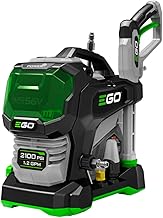
EGO Power+ HPW2100
This cordless unit eliminates hose tethering entirely, and its balanced top-handle design distributes weight across the grip without tipping forward when you raise it overhead. The brushless motor runs cool and vibration-free, which translates to noticeably less forearm fatigue during extended wheel-well and rocker-panel cleaning. It ships without a battery, so factor that cost in, but owners already in the EGO ecosystem will find seamless compatibility.
Sun Joe SPX3000
Sun Joe’s flagship remains a reliable entry point, and its dual detergent tank system lets you switch between soap and rinse solutions without pausing to refill. The wand is lightweight but the plastic couplings show wear over multiple seasons, so consider replacing the hose connector early for longer service life. At this price, the build-to-value ratio is hard to beat for weekend car owners who clean a few times a month.
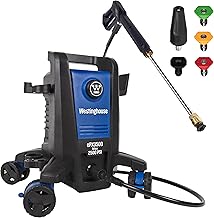
Westinghouse ePX3500
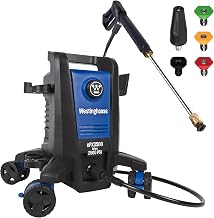
Built around a steel-frame chassis with anti-tipping base geometry, this unit stays planted even on uneven driveway surfaces. The pro-style steel wand feels solid without being heavy, and the onboard soap tank keeps your hands free. The five-nozzle set covers every spray pattern you need for paint-safe car washing, and the rubber wheels roll smoothly across rough concrete without wobbling. This is the unit to choose when durability is the top priority.
Adam’s Polishes Active 2.0
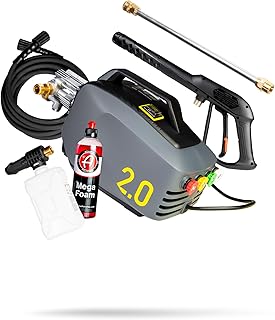
Designed specifically for automotive enthusiasts, this compact unit pairs an 1800 PSI output with a generous 2.0 GPM flow rate that rinses foam quickly off large panels. The foam cannon included in the five-item bundle lays down an even, clinging suds layer that lifts road grime before the wand touches the surface. Its low weight and ergonomic carry handle make it genuinely portable from garage to driveway without strain.
Giraffe Tools G20 Retractable
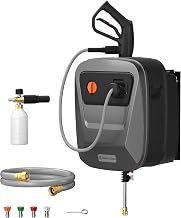
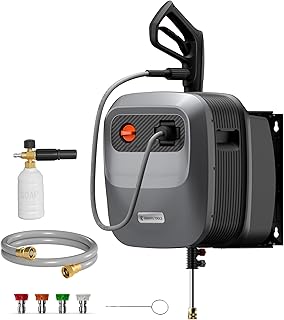
Wall-mounted design means zero carrying weight during use, and the automatic rewind hose system eliminates the kink-and-tangle frustration that plagues freestanding units. The 180-degree swivel bracket follows your movement around a vehicle, and the 65-foot retractable hose covers a two-car driveway from a single mounting point. Over time, the wall bracket protects the motor from ground-level impacts, dust, and moisture that degrade portable washers.
Frequently Asked Questions
What PSI is safe for car paint?
Anything between 1,200 and 1,900 PSI is generally safe for automotive clear coat when used with a wide-angle nozzle at a distance of at least 12 inches. Higher-PSI machines are perfectly fine as long as you choose a lower-pressure nozzle tip for vehicle work.
Can I use an electric pressure washer for a two-story house exterior?
Most residential electric units reach 25 to 30 feet of vertical spray, which is sufficient for first-story siding and low eaves. For full two-story coverage, you would need an extension wand or a gas-powered unit with higher pressure ratings.
How often should I replace pressure washer nozzles?
Nozzles wear gradually, producing an uneven spray pattern as the orifice erodes. Inspect them every six months of regular use and replace any that show visible scoring or asymmetric output. A worn nozzle wastes water and reduces cleaning efficiency significantly.
Are wall-mounted pressure washers harder to maintain?
Not necessarily. In fact, keeping the unit off the ground reduces exposure to standing water and physical impacts, which often cause the most common failures in portable models. The main maintenance consideration is ensuring the wall bracket hardware stays tight and the retractable hose retracts fully after each use to prevent UV degradation.
Final Thoughts
For pure ergonomics and long-term durability, the Westinghouse ePX3500 leads the pack with its steel frame and anti-tipping stability. The Giraffe Tools G20 solves hose management better than any freestanding competitor, and the EGO Power+ HPW2100 delivers a genuinely cordless experience without sacrificing balance or build quality. Any of these three will serve you well for years of regular automotive and home cleaning.