Key takeaways
- Sightline height: Seated eye level lands near 40–44 inches for most adults on a standard sofa. Because an 85-inch screen is about 42 inches tall, its center wants to sit close to that number — meaning a cabinet taller than 24 inches will push you into an upward gaze. Measure your own eye height before shopping.
- Unsupported span: The top surface between the outer legs and the first internal divider does the real work. Look for 0.75-inch or thicker engineered board with a center partition, or a steel frame. Anything above 36 inches of unbraced span under 100-plus pounds will develop a visible curve.
- Rated load versus real load: Compare the manufacturer’s capacity against your TV plus soundbar plus consoles, then leave 30 percent of headroom. Mobile carts also need dynamic capacity, since rolling loads shift and stress the column differently than static ones.
- Foot spread and clearance: Your TV’s stand feet may sit 50 to 60 inches apart. Confirm the console’s usable top width and depth (10 inches minimum) or plan on a VESA-mount design that ignores the feet entirely.
- Hardware quality: Threaded metal inserts, cam locks with steel housings, and cross-braced backs outlast bare wood screws driven into MDF. This detail predicts whether a stand still feels tight after its third disassembly and move.
What's inside
An 85-inch panel weighs somewhere between 90 and 150 pounds, spreads that mass across roughly six and a half feet of width, and puts almost all of it on two feet that rarely sit where you want them. That combination exposes furniture that was never engineered for the job. Buyers end up with a console that bows in the middle after eighteen months, feet that print divots into the floor, or a screen whose center sits so high that everyone on the sofa watches with their chin tipped back. Neck strain and sagging particleboard are the two failure modes that show up most often, and both are predictable before you buy.
This guide evaluates 85-inch TV stands the way a fixtures engineer would: seated sightline geometry, static versus dynamic load capacity, panel thickness and span between supports, fastener quality, and how each design behaves after a few years of cable swaps and console upgrades. Below are the current standouts across three formats — mobile carts, floor-mount pedestals, and traditional wide consoles — plus the specification checks that separate furniture that lasts from furniture that merely arrives.
As an Amazon Associate we earn from qualifying purchases.


How to Choose a/an 85 Inch Tv Stand (2026)
- Sightline height: Seated eye level lands near 40–44 inches for most adults on a standard sofa. Because an 85-inch screen is about 42 inches tall, its center wants to sit close to that number — meaning a cabinet taller than 24 inches will push you into an upward gaze. Measure your own eye height before shopping.
- Unsupported span: The top surface between the outer legs and the first internal divider does the real work. Look for 0.75-inch or thicker engineered board with a center partition, or a steel frame. Anything above 36 inches of unbraced span under 100-plus pounds will develop a visible curve.
- Rated load versus real load: Compare the manufacturer’s capacity against your TV plus soundbar plus consoles, then leave 30 percent of headroom. Mobile carts also need dynamic capacity, since rolling loads shift and stress the column differently than static ones.
- Foot spread and clearance: Your TV’s stand feet may sit 50 to 60 inches apart. Confirm the console’s usable top width and depth (10 inches minimum) or plan on a VESA-mount design that ignores the feet entirely.
- Hardware quality: Threaded metal inserts, cam locks with steel housings, and cross-braced backs outlast bare wood screws driven into MDF. This detail predicts whether a stand still feels tight after its third disassembly and move.
The Best 85 Inch Tv Stand (2026)s Reviewed
Perlegear Rolling TV Stand
The height-adjustable column is this cart’s real advantage: you can dial screen center to your actual seated eye level instead of accepting whatever a cabinet dictates, and the 132-pound rating covers most 85-inch panels with margin. Locking casters and a 600x400mm VESA range make it the practical choice for rooms that get rearranged.
FITUEYES Eiffel Series TV Floor Stand
A 187-pound capacity paired with a splayed steel base gives this pedestal the most conservative safety margin in the group, and mounting the panel on a bracket sidesteps foot-spacing problems completely. The integrated wood shelf keeps a soundbar and receiver at reachable height without adding cabinet bulk.
Walnut 80″ Fluted Media Console
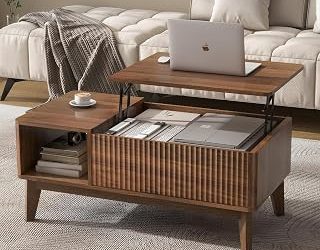
Mid-century proportions keep the top surface low, which is exactly what an 85-inch screen needs for comfortable sightlines, and the fluted doors hide clutter without trapping heat thanks to open shelving alongside. Adjustable interior shelves earn their keep as gear changes over the years.
Heavy-Duty Rolling TV Stand for 55–100″ TVs
Built for the largest panels on the market, this cart pairs a 165-pound rating with VESA support up to 800x600mm and genuine cable management rather than an afterthought clip. It is the strongest option here for anyone rolling a screen between rooms or using it in a presentation setting.
85″ TV Stand with LED Lights & Power Outlet
The built-in outlet and glass shelf make this the most gaming-friendly layout, cutting the extension-cord tangle that usually accumulates behind a wide console. Treat the glossy finish as a maintenance consideration — it shows fingerprints — but the low overall height keeps viewing posture neutral.
Frequently Asked Questions
How wide should a stand be for an 85-inch TV?
Aim for at least 75 inches of usable width for a console-style stand. That covers the roughly 74-inch panel width with a small visual margin, and it ensures the TV’s feet land over supported structure rather than an overhang.
Is a mobile cart safe for a screen this large?
Yes, provided the rated capacity exceeds your panel’s weight with headroom and the casters lock. Carts with wide, splayed bases and low-mounted shelves keep the center of gravity down, which matters more than raw weight rating.
Do I still need an anti-tip strap?
Anchor any console-mounted TV, without exception. Even a heavy, well-built cabinet cannot resist the leverage of a 42-inch-tall panel if it is pushed or pulled, and straps cost a few dollars.
What height causes neck strain?
Consoles above roughly 26 inches tend to push screen center well past seated eye level, forcing sustained cervical extension. Lower is generally safer; slight downward gaze is more comfortable than upward.
Final Thoughts
For maximum load safety and clean sightline adjustment, the FITUEYES Eiffel Series floor stand is the most engineering-sound pick, while the Perlegear rolling stand offers the same height flexibility with mobility added. If you want traditional storage without sacrificing viewing posture, the Walnut 80″ fluted console strikes the best balance of low profile, real structural support, and long-term serviceability.