Key takeaways
- Measure the true deck height, then check the adjustment window: Measure from the deck surface to the waterline or landing, not to the frame top. Adjustable models such as the Confer 6000X (42–56 in.) and the 635-52X (46–56 in.) only feel secure when your height sits mid-range, not pinned at the extreme.
- Prioritize tread depth over tread count: A ladder with wide, flat steps loads the arch of the foot instead of the ball, which is what stops calf fatigue and slipping on descent. Extra-wide treads, as on the telescoping dock ladder, are worth more than an additional narrow rung.
- Check handrail diameter and grip height: Rails in the 1.25–1.5 in. range fit an average adult hand closed around them. Rails should extend above the deck line so you are still supported during the awkward transition step, not reaching down into space.
- Match materials to the environment: UV-stabilized, high-density resin resists chlorinated splash and won’t corrode. Marine-grade 316 stainless outperforms 304 in salt air. Mixed assemblies fail at the fasteners first, so inspect hardware grade before anything else.
- Confirm mounting and capacity honestly: Deck-mounted ladders transfer load into joists and blocking, not decking boards. Verify the stated weight rating, and treat accessories like the Little Giant AirDeck Workstation (25 lb tray rating) as tool holders, not steps.
What's inside
Deck-mounted ladders live a harder life than almost anything else in a backyard. They sit in standing water, bake under UV, absorb the full shock of someone jumping down two treads at once, and then get asked to do it again next season. When one fails, it rarely fails gracefully: a cracked resin side rail or a wallowed-out hinge pin tends to let go under load, with a wet deck edge waiting below. Most buyers only discover the difference between a ladder that was engineered and one that was merely molded after the first winter.
This guide looks at deck ladders through two lenses that matter more than sticker appeal: ergonomics, meaning tread depth, rung spacing, and where your hands actually land during the climb, and durability, meaning material chemistry, fastener corrosion, and how the load travels from your foot into the deck framing. Below are the models worth your attention in 2026, plus the specification checks that separate a ten-year ladder from a two-season one.
As an Amazon Associate we earn from qualifying purchases.


How to Choose a Deck For Mid Ladder (2026)
- Measure the true deck height, then check the adjustment window: Measure from the deck surface to the waterline or landing, not to the frame top. Adjustable models such as the Confer 6000X (42–56 in.) and the 635-52X (46–56 in.) only feel secure when your height sits mid-range, not pinned at the extreme.
- Prioritize tread depth over tread count: A ladder with wide, flat steps loads the arch of the foot instead of the ball, which is what stops calf fatigue and slipping on descent. Extra-wide treads, as on the telescoping dock ladder, are worth more than an additional narrow rung.
- Check handrail diameter and grip height: Rails in the 1.25–1.5 in. range fit an average adult hand closed around them. Rails should extend above the deck line so you are still supported during the awkward transition step, not reaching down into space.
- Match materials to the environment: UV-stabilized, high-density resin resists chlorinated splash and won’t corrode. Marine-grade 316 stainless outperforms 304 in salt air. Mixed assemblies fail at the fasteners first, so inspect hardware grade before anything else.
- Confirm mounting and capacity honestly: Deck-mounted ladders transfer load into joists and blocking, not decking boards. Verify the stated weight rating, and treat accessories like the Little Giant AirDeck Workstation (25 lb tray rating) as tool holders, not steps.
The Best Deck For Mid Ladder (2026)s Reviewed
Confer Plastics 6000X Heavy Duty In-Pool Ladder
The 6000X is the reference point for above-ground deck installs: a wide 42–56 in. adjustment range, thick molded side rails, and a flex profile that damps rather than transmits foot impact. Its heavy-duty resin construction sidesteps the galvanic and corrosion issues that plague mixed-metal pool hardware, which is why it tends to outlast its neighbors by years.
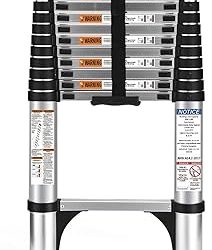
4-Step Telescoping Boat & Dock Ladder
Ergonomically this is the strongest option here, pairing extra-wide steps with full hand railings so the climb stays upright instead of forcing a hunched reach. The telescoping mechanism collapses for winter storage or seasonal docks, though I would rinse and dry the tubes each season to keep grit out of the sliding joints.
SLD Snap-Lock Deck Ladder
A cleaner, lower-profile choice for finished decks where the ladder should disappear visually, with a snap-lock system that removes tool time from install and removal. Its white finish reflects heat, keeping treads comfortable on bare feet during peak afternoon sun.
Confer Plastics 635-52X Sturdy In-Pool Ladder
Essentially the value-focused sibling to the 6000X, tuned for 46–56 in. deck heights with the same resin durability story and a slightly narrower footprint. Choose it when your measured height sits comfortably inside that band and you don’t need the broader adjustment range.
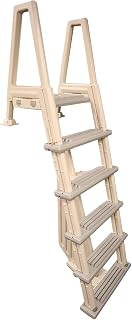
Easy Incline 200200 Above Ground Pool Deck Ladder
The standout feature is its shallower climbing angle, which reduces the ankle flexion and knee load that steep vertical ladders demand, making it noticeably friendlier for older swimmers and children. Expect a larger in-water footprint in exchange for that gentler geometry.
Frequently Asked Questions
How do I know if my deck can support a mounted ladder?
Confirm the anchor points land in joists or added blocking, not just decking boards. If you are fastening into composite or older pressure-treated lumber, add backing beneath and use hardware rated for that material.
Resin or stainless steel for a deck ladder?
UV-stabilized resin wins around chlorinated pools because it cannot corrode and stays cooler underfoot. Stainless is the better call for salt or heavy commercial-style use, provided it is 316 grade with matched fasteners.
Why do treads feel slippery even when textured?
Molded texture wears smooth and biofilm fills what remains. Scrub with a stiff brush and a mild non-abrasive cleaner a few times per season rather than relying on adhesive strips, which trap moisture at the edges.
Should I remove the ladder for winter?
Yes, wherever practical. Freeze-thaw cycles inside hollow rails and telescoping tubes are the leading cause of premature cracking, and removal also eliminates unsupervised pool access.
Final Thoughts
For most deck-mounted pool installs, the Confer 6000X remains the durability benchmark, with the 635-52X covering the same ground at a tighter height range. If climbing comfort is your priority, the 4-step telescoping dock ladder’s wide treads and full handrails deliver the most supportive ergonomics of the group.