Key takeaways
- Leather finish: Choose products intended for finished or protected leather unless the sofa maker confirms compatibility with aniline, nubuck, suede, or semi-aniline upholstery.
- Cleaning strength: A mild cleaner is usually safer for routine dust, skin oils, and light grime; aggressive formulas are unnecessary for most household sofas.
- Conditioner residue: Look for a product that absorbs or buffs cleanly. A greasy film can attract dust and make seat cushions feel slippery.
- Application effort: Spray bottles, included cloths, and manageable wipe-off times reduce awkward stretching and excessive pressure during a full-sofa treatment.
- Maintenance frequency: A durable care routine matters more than a dramatic one-time shine. Select a formula you can apply consistently without over-wetting the upholstery.
What's inside
Cleaning a leather sofa is less about making the surface look glossy and more about preserving its structure. The wrong product can leave residue, soften leather unevenly, darken aniline finishes, or encourage cracking when repeated rubbing removes surface oils. Buyers also face confusing labels: “cleaner,” “conditioner,” and “complete care” products are not interchangeable.
This guide evaluates the best options for leather sofas through an ergonomics-and-durability lens. The focus is on controlled application, wipe-off effort, finish compatibility, long-term flexibility, and how practical each product is for maintaining a heavily used seating surface.
As an Amazon Associate we earn from qualifying purchases.




How to Choose a Thing To Clean Leather Sofa (2026)
- Leather finish: Choose products intended for finished or protected leather unless the sofa maker confirms compatibility with aniline, nubuck, suede, or semi-aniline upholstery.
- Cleaning strength: A mild cleaner is usually safer for routine dust, skin oils, and light grime; aggressive formulas are unnecessary for most household sofas.
- Conditioner residue: Look for a product that absorbs or buffs cleanly. A greasy film can attract dust and make seat cushions feel slippery.
- Application effort: Spray bottles, included cloths, and manageable wipe-off times reduce awkward stretching and excessive pressure during a full-sofa treatment.
- Maintenance frequency: A durable care routine matters more than a dramatic one-time shine. Select a formula you can apply consistently without over-wetting the upholstery.
The Best Thing To Clean Leather Sofa (2026)s Reviewed
Weiman Leather Cleaner & Conditioner, 12 Fl Oz
Weiman’s single-bottle cleaner and conditioner is a practical choice for routine care on finished leather. Its combined approach limits the number of steps, while the UV-protection claim is useful for sofas exposed to strong daylight; apply sparingly and buff thoroughly to avoid a slick seat surface.
Weiman Leather Cleaner & Conditioner, 2 Pack
This two-pack version suits households maintaining multiple leather pieces or following a regular cleaning schedule. The formula is essentially a convenience-and-quantity pick: it works best when used with light pressure, small sections, and a clean cloth rather than saturating an entire cushion at once.
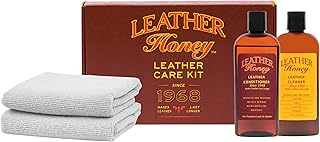
Leather Honey Complete Leather Care Kit
Leather Honey’s complete kit is the strongest all-around option for buyers who want a coordinated cleaner, conditioner, and cloths in one purchase. The included accessories help standardize application, which is valuable for reducing overuse and protecting high-contact areas such as armrests, cushion fronts, and seat edges.
Leather Cleaner and Conditioner Kit, 4-Piece Set
This four-piece kit is geared toward homeowners who prefer a more organized cleaning process for couches, chairs, furniture, and car interiors. Its appeal is versatility, but test every component in a hidden area first and follow the sofa manufacturer’s care instructions before treating the full surface.
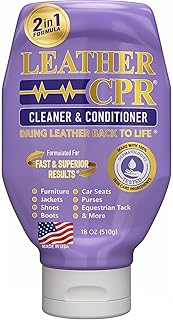
Leather CPR Cleaner and Conditioner
Leather CPR is a sensible maintenance product for furniture that has lost some softness or looks dull from everyday handling. Its cleaner-conditioner format can simplify upkeep, though the best results come from several thin applications rather than trying to restore a dry sofa with one heavy coat.
Frequently Asked Questions
What is the best thing to clean a leather sofa with?
For most protected leather sofas, use a purpose-made leather cleaner and conditioner, such as Weiman Leather Cleaner & Conditioner or Leather CPR. Always check the upholstery label and test an inconspicuous area first.
Can I use Leather Honey conditioner on a sofa?
Yes, Leather Honey Leather Conditioner is designed for furniture as well as automotive and personal leather goods. Use a very thin layer, allow adequate absorption time, and remove any excess so the sofa does not feel oily or become prone to dust buildup.
How often should leather sofa upholstery be cleaned?
Light dusting can be done weekly, while a deeper clean is often appropriate every few months or when visible grime appears. Conditioning should be less frequent than dusting; excessive product can soften cushions unevenly and leave a tacky film.
Should I clean leather before conditioning it?
Yes. Cleaning first removes body oils, dust, and residue that can interfere with even conditioning. Let the surface dry naturally before applying conditioner, and avoid heat sources that can accelerate drying or shrinkage.
Final Thoughts
For a straightforward routine, Weiman Leather Cleaner & Conditioner is a convenient everyday pick. Leather Honey Complete Leather Care Kit is better for a structured, whole-sofa process, while Leather CPR is a strong option when softness and appearance need a measured refresh. Whichever you choose, careful testing, thin applications, and regular low-effort maintenance will protect a leather sofa better than occasional heavy treatment.