Key takeaways
- Plastic adhesion: Look for a formula that explicitly supports plastic or multiple nonporous surfaces. When the label is unclear, test a hidden area before committing.
- Flexibility: Patio furniture bends under a person’s weight and shifts with temperature. A coating that dries extremely hard but lacks flexibility may fracture at edges, legs, or molded details.
- Surface preparation: Wash away body oils, mildew, oxidation, and silicone-based cleaners. Light abrasion and a compatible primer can matter more than choosing a premium color.
- Touch and friction: Armrests, tabletops, and chair backs receive constant contact. Favor a fully cured, non-tacky finish that will not transfer color onto clothing or feel unpleasant against bare skin.
- Exposure and maintenance: Outdoor UV, standing water, and abrasive cleaning shorten coating life. Consider the furniture’s location, then follow the manufacturer’s curing and recoat instructions precisely.
What's inside
Plastic patio furniture is easy to overlook until sun, rain, sunscreen, and repeated cleaning leave it chalky, faded, or unevenly colored. The wrong coating can peel within a season, feel tacky in warm weather, or crack as the furniture flexes. A durable result depends less on the label “outdoor paint” than on surface preparation, plastic compatibility, film flexibility, and realistic expectations about wear.
This guide compares five practical options for refreshing plastic patio chairs, tables, and accessories in 2026. The selection includes restorative coatings, multi-surface paints, touch-up products, and a hard-wearing epoxy option. I’m evaluating them from an ergonomics-and-durability perspective: how the finish behaves on frequently handled furniture, how forgiving the application is, and where each product makes the most sense.
As an Amazon Associate we earn from qualifying purchases.



How to Choose a/an Paint For Plastic Patio Furniture (2026)
- Plastic adhesion: Look for a formula that explicitly supports plastic or multiple nonporous surfaces. When the label is unclear, test a hidden area before committing.
- Flexibility: Patio furniture bends under a person’s weight and shifts with temperature. A coating that dries extremely hard but lacks flexibility may fracture at edges, legs, or molded details.
- Surface preparation: Wash away body oils, mildew, oxidation, and silicone-based cleaners. Light abrasion and a compatible primer can matter more than choosing a premium color.
- Touch and friction: Armrests, tabletops, and chair backs receive constant contact. Favor a fully cured, non-tacky finish that will not transfer color onto clothing or feel unpleasant against bare skin.
- Exposure and maintenance: Outdoor UV, standing water, and abrasive cleaning shorten coating life. Consider the furniture’s location, then follow the manufacturer’s curing and recoat instructions precisely.
The Best Paint For Plastic Patio Furniture (2026)s Reviewed
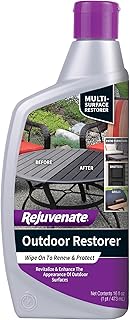
Rejuvenate Outdoor Restorer
Rejuvenate Outdoor Restorer is a strong choice when the existing plastic is structurally sound but badly faded or weathered. Rather than building a conventional opaque paint film, it refreshes the appearance of compatible outdoor surfaces, making it useful for large furniture sets where preserving the original texture is preferable. Its broad coverage is efficient, but heavily scratched or dramatically color-changed pieces may still need paint.
Wolman 360351 Outdoor Furniture Paint
Wolman Outdoor Furniture Paint is the most purpose-oriented option in this group for a full furniture makeover. The quart size is practical for multiple pieces, and the Granite color can visually hide minor grime and unevenness better than very light shades. Prepare glossy plastic carefully and verify compatibility on a test patch; a durable coating is only as reliable as its bond to the substrate.
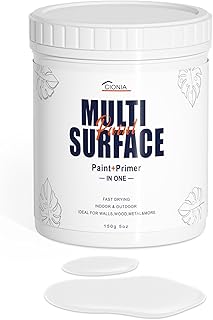
CIONIA All-in-One Paint
CIONIA All-in-One Paint is convenient for small projects and detailed furniture because it is designed for multiple surfaces and does not require traditional sanding in every application. Its small 5-ounce container is better suited to an accent piece, sample area, or limited repair than an entire patio set. On plastic, cleaning and a discreet adhesion test remain essential despite the product’s forgiving positioning.
White Multi-Surface Touch-Up Paint Pen
This high-gloss acrylic touch-up pen is useful for scratches, chips, and exposed spots rather than complete repainting. The pen format offers excellent control around molded edges, hardware, and narrow chair components, reducing unnecessary overspray and hand fatigue. Its glossy white finish may not blend with aged plastic, so use it selectively or expect to retouch a defined section for a more uniform appearance.
Rust-Oleum Appliance Epoxy Gloss White
Rust-Oleum Appliance Epoxy provides a hard, smooth finish where a bright white surface is desired, and its epoxy-style coating can resist routine wiping once properly cured. It is better suited to rigid, well-prepared components than highly flexible plastic that flexes under load. Apply thin, even coats in a controlled environment, and allow generous curing time before exposing the furniture to use or weather.
Frequently Asked Questions
Can I paint plastic patio furniture without sanding?
Sometimes, but cleaning is never optional. Degrease the surface, remove oxidation, and test adhesion first. Lightly scuffing glossy plastic usually improves mechanical grip, even when a product claims sanding is unnecessary.
Should I use primer on plastic furniture?
A plastic-compatible primer is worthwhile when the surface is slick, heavily weathered, or being changed from a dark color to white. It can improve uniformity and reduce peeling, but it must be compatible with both the plastic and the chosen topcoat.
How long should painted patio furniture cure?
Dry-to-touch time is not the same as full cure. Keep pieces protected from rain, dew, heavy handling, and cushions until the label’s recoat and cure guidance has elapsed; cooler or humid conditions generally require more time.
Will painted plastic patio furniture peel?
It can, particularly when furniture is dirty, damp, glossy, or exposed to constant flexing. Thorough preparation, thin coats, controlled application, and selecting a flexible product for flexible parts substantially improve service life.
Final Thoughts
For faded but otherwise intact furniture, Rejuvenate Outdoor Restorer is the simplest first step. Wolman Outdoor Furniture Paint is the stronger full-color makeover candidate, while CIONIA is convenient for smaller projects and touch-ups. Whichever route you choose, preparation and cure time will have a greater effect on long-term comfort and durability than color alone.