Key takeaways
- Substrate first: Oils only work on porous wood. If you’re reviving faded resin, powder-coated aluminum, or a vinyl-strap lounger, you need a surface restorer, not a wood treatment. Applying teak oil to plastic leaves a tacky film that collects pollen.
- Penetrating vs. film-forming: Oils soak in, keep the grain readable underfoot and underhand, and wear gracefully by fading rather than flaking. Spar urethane builds a protective shell with real abrasion and spill resistance, but when it eventually fails it peels, and prep for recoating means sanding rather than wiping.
- Skin contact and thermal comfort: Satin and matte finishes scatter light and run cooler on bare legs than gloss. Matte also hides the micro-scratches that sunscreen, zippers, and dragged chairs inflict on armrests.
- Recoat rhythm you’ll actually keep: Oils generally want attention once or twice a year on sun-exposed pieces. A quality spar urethane can go several seasons. Choose the interval that matches your patience, because a lapsed schedule is worse than either option chosen honestly.
- UV package and dry time: Look for stated UV absorbers, not just water repellency. Sunlight, not rain, is what degrades lignin and turns wood silver. Fast-dry formulas also matter practically: fewer hours of dust landing on a wet horizontal tabletop.
What's inside
Patio furniture fails in a predictable order. The finish goes first, then the surface fibers lift, then the joints start to move because water is wicking into end grain every time it rains. By the time a chair feels wobbly under your weight, the coating decision that mattered was made two summers earlier. Most buyers only discover this after a season of gray, splintery armrests and a table that stains a coffee cup ring into the wood in ten minutes.
I evaluate outdoor seating the way I’d evaluate a work chair: how does the contact surface behave against skin over a long sitting session, and how does the structure hold its geometry across thermal and moisture cycling? A finish influences both. This guide sorts penetrating oils, film-forming urethanes, and non-wood restorers by what they actually do to hand-feel, grip, seasonal maintenance load, and the lifespan of the joinery underneath.
As an Amazon Associate we earn from qualifying purchases.



How to Choose a/an Finish For Patio Furniture (2026)
- Substrate first: Oils only work on porous wood. If you’re reviving faded resin, powder-coated aluminum, or a vinyl-strap lounger, you need a surface restorer, not a wood treatment. Applying teak oil to plastic leaves a tacky film that collects pollen.
- Penetrating vs. film-forming: Oils soak in, keep the grain readable underfoot and underhand, and wear gracefully by fading rather than flaking. Spar urethane builds a protective shell with real abrasion and spill resistance, but when it eventually fails it peels, and prep for recoating means sanding rather than wiping.
- Skin contact and thermal comfort: Satin and matte finishes scatter light and run cooler on bare legs than gloss. Matte also hides the micro-scratches that sunscreen, zippers, and dragged chairs inflict on armrests.
- Recoat rhythm you’ll actually keep: Oils generally want attention once or twice a year on sun-exposed pieces. A quality spar urethane can go several seasons. Choose the interval that matches your patience, because a lapsed schedule is worse than either option chosen honestly.
- UV package and dry time: Look for stated UV absorbers, not just water repellency. Sunlight, not rain, is what degrades lignin and turns wood silver. Fast-dry formulas also matter practically: fewer hours of dust landing on a wet horizontal tabletop.
The Best Finish For Patio Furniture (2026)s Reviewed
STAR BRITE Premium Golden Teak Oil
Tung oil polymers plus stated UV absorbers make this the most technically complete oil here, and the warm golden cast flatters acacia and eucalyptus as much as teak. Dry time is quick enough to get two coats onto a dining set in a single afternoon, which is exactly what you want on horizontal surfaces that collect debris.
Varathane Water-Based Ultimate Spar Urethane
The right answer when the piece takes real abuse: bar tops, side tables, anything that holds sweating glasses and hot plates. The satin sheen keeps glare and heat off skin, and the water-based formula stays clearer over pale woods than oil-based spar varnish, which ambers over time.
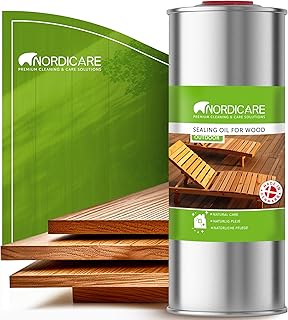
Nordicare Teak Oil for Outdoor Furniture
At 34 ounces, this is the sensible volume for anyone maintaining a full set rather than a single bench, and it wipes on evenly without the blotching cheaper oils leave on thirsty end grain. A solid choice for annual upkeep across mixed hardwoods.
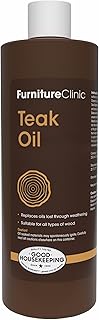
Furniture Clinic Teak Oil
The natural matte result is the best surface here for hand and skin contact: no slickness on armrests, no shine bouncing off a tabletop into your eyes. Its cleaning-plus-conditioning action also makes it a good single-product routine for shower benches and boat trim.
LinSheen Boiled Linseed Oil
A traditional, economical treatment that feeds dried-out wood and revives color on rustic or reclaimed pieces at a fraction of the cost per quart. It carries no UV package, so plan on more frequent reapplication in full sun, and dispose of rags safely because linseed generates heat as it cures.
Frequently Asked Questions
Can I use teak oil on wood other than teak?
Yes. Modern teak oils are blends formulated for dense outdoor hardwoods generally, so acacia, eucalyptus, iroko, and oak all respond well. The name describes the intended application, not the ingredient.
Should I oil or varnish my patio set?
Oil for comfort, easy touch-ups, and a natural feel; spar urethane for maximum resistance on tabletops and high-wear surfaces. Many owners sensibly do both, using film-forming finish on horizontal surfaces and oil on seating.
How do I bring back badly grayed furniture?
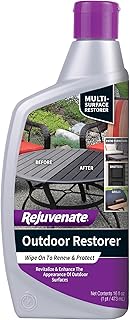
Clean and lightly sand to reopen the pores before any finish goes on. For non-wood items like resin chairs, shutters, or grill housings, a dedicated product such as Rejuvenate Outdoor Restorer handles the fading without abrasives.
Does finishing actually extend structural life?
Indirectly, yes. Sealing end grain and joints slows the moisture cycling that loosens mortises and works screws free, which is the real cause of most wobbly outdoor chairs.
Final Thoughts
For most patio sets, STAR BRITE Premium Golden Teak Oil is the best all-around pick thanks to its UV protection and quick recoat schedule, while Varathane Ultimate Spar Urethane in satin is the durability choice for tabletops that see glasses, heat, and daily wiping. If you prefer a bare-wood feel underhand, Furniture Clinic Teak Oil delivers the most comfortable matte surface of the group.