Key takeaways
- Back height above 40 inches: Skull support, not shoulder support, is the goal. Anything under 38 inches will push your head forward at 6-foot-2 and beyond, which is why adjustable power headrests are close to non-negotiable in this height range.
- Seat height of 19 to 21 inches: Measure from floor to the compressed cushion, not the uncompressed one. Below 18 inches your hips drop under your knees, tilting the pelvis backward and flattening the lumbar curve.
- Seat depth of 22 inches or more: Long femurs need runway. Shallow seats leave the back of your thigh unsupported and concentrate pressure at a single point behind the knee.
- Footrest extension and calf coverage: Check the fully extended length, not just the reclined angle. Wall-hugger mechanisms often trade footrest travel for clearance, so verify the number before choosing one for a tight room.
- Frame, springs, and rated capacity: Kiln-dried hardwood or reinforced steel with sinuous springs and high-resilience foam at 1.8 lb/ft³ or better will outlast particleboard rails. A published weight rating is a useful proxy for how the engineers thought about load.
What's inside
Most recliners are engineered around a 5-foot-9 body. If you are 6-foot-2 or taller, that design bias shows up fast: your knees ride above your hips because the seat sits too low, the headrest lands between your shoulder blades instead of behind your skull, and your heels dangle off the end of a footrest built for a shorter stride. The result is a sofa that looks generous in photos but leaves your lower back unsupported and your calves floating in mid-air after twenty minutes.
This guide approaches the problem from two angles that matter most over a decade of ownership: fit geometry and mechanical endurance. Taller frames load a recliner harder, so seat depth, back height, footrest travel, foam density, and mechanism construction all carry more weight than upholstery color. Below are six reclining sofas that hold up to that scrutiny, plus the specifications worth measuring before you commit.
As an Amazon Associate we earn from qualifying purchases.




How to Choose a Reclining Sofa For Tall Person (2026)
- Back height above 40 inches: Skull support, not shoulder support, is the goal. Anything under 38 inches will push your head forward at 6-foot-2 and beyond, which is why adjustable power headrests are close to non-negotiable in this height range.
- Seat height of 19 to 21 inches: Measure from floor to the compressed cushion, not the uncompressed one. Below 18 inches your hips drop under your knees, tilting the pelvis backward and flattening the lumbar curve.
- Seat depth of 22 inches or more: Long femurs need runway. Shallow seats leave the back of your thigh unsupported and concentrate pressure at a single point behind the knee.
- Footrest extension and calf coverage: Check the fully extended length, not just the reclined angle. Wall-hugger mechanisms often trade footrest travel for clearance, so verify the number before choosing one for a tight room.
- Frame, springs, and rated capacity: Kiln-dried hardwood or reinforced steel with sinuous springs and high-resilience foam at 1.8 lb/ft³ or better will outlast particleboard rails. A published weight rating is a useful proxy for how the engineers thought about load.
The Best Reclining Sofa For Tall Person (2026)s Reviewed
Ashley Boyington Power Reclining Sofa with Heat and Massage
The zero-gravity position is the standout here for tall users, since it raises the legs above the heart and unloads the lumbar spine in a way a standard 40-degree recline cannot. Heat and air massage are genuine recovery features rather than gimmicks, and the leather-and-faux-leather blend resists the abrasion that taller sitters generate when sliding in and out.
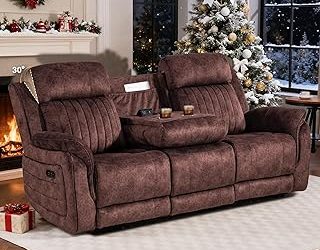
880LBS Capacity Big & Tall Reclining Loveseat
An 880-pound rating and a stainless steel footrest signal a load path built for real stress, and the 90% pre-built assembly means fewer field-assembled joints to loosen over time. The wall-hugger design and console charging make it a sensible pick for narrow living rooms and RV installs where a full three-seater will not fit.
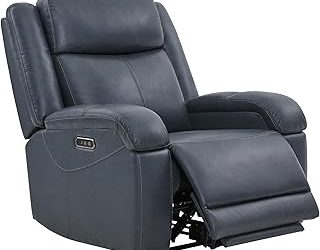
Watson & Whitely Genuine Leather Wall Hugger Power Recliner
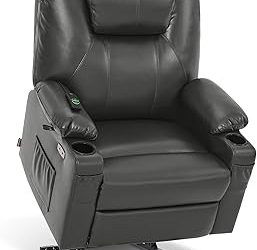
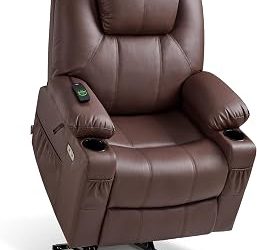
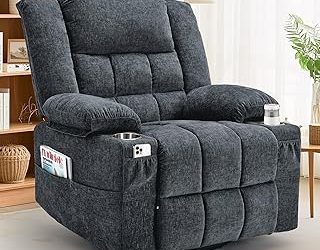
Adjustable power headrests are the single most valuable feature for anyone over 6-foot-1, and this is one of the few wall huggers that pairs them with genuine top-grain leather rather than bonded material. Expect the leather to stretch and conform slightly at contact points during the first season, which improves the fit rather than degrading it.
Zero Gravity Power Reclining Sofa with Wireless Charging
Independent adjustable headrests plus a zero-gravity preset give you the two adjustments that actually resolve tall-frame posture problems, and the integrated wireless pad keeps a phone off the armrest. Confirm your seat-to-wall clearance, as the deep recline arc needs more room than a wall hugger.
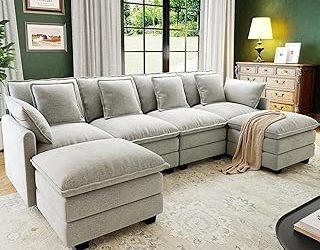
Extra Wide Overstuffed Manual Reclining Sofa
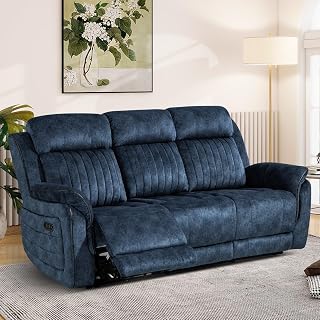
Manual mechanisms have fewer failure points than powered ones, and the overstuffed, extra-wide cushions here provide the seat depth long femurs need. The breathable fabric runs cooler than leather during extended sessions, though it will need more routine cleaning attention.
Frequently Asked Questions
What back height do I need at 6-foot-4?
Aim for 42 inches or more, or choose a model with an adjustable power headrest. Seated head height scales with torso length rather than total stature, so measure from your seat to the base of your skull and add two inches of margin.
Is power reclining worth the extra cost for tall users?
Usually, yes. Power lets you stop anywhere in the recline arc and independently position the headrest, which matters far more when a fixed two-position mechanism was never calibrated for your proportions.
Do wall-hugger designs sacrifice legroom?
Sometimes. The mechanism folds inward to reduce wall clearance, which can shorten footrest travel by a few inches. Check the extended footrest measurement rather than assuming all wall huggers behave alike.
How long should a reclining sofa last under heavier use?
With a hardwood or steel frame, sinuous springs, and high-density foam, expect eight to twelve years of daily use. Cushion cores fail first, so ask whether replacement inserts are available before you buy.
Final Thoughts
For most tall buyers, the Watson & Whitely leather wall hugger offers the best balance of adjustable headrest geometry and material durability in a compact footprint. Choose the Ashley Boyington if zero-gravity positioning and therapeutic features are the priority, or the 880LBS Big & Tall loveseat when maximum structural capacity in a two-seat footprint matters most.