Key takeaways
- Fence accuracy: Look for a rigid fence that locks parallel to the blade with minimal front-to-back movement. Consistent fence travel matters more than headline motor speed when cutting cabinet panels.
- Rip capacity: Cabinet carcasses and shelving often require wide cuts in plywood. A generous rip range reduces the need to reposition the workpiece or use improvised supports.
- Table stability: A solid base and a reasonably large work surface reduce vibration and help prevent panels from tipping. Folding stands are useful when storage space is limited, provided their locks are secure.
- Blade and dust control: A quality 10-inch saw offers broad blade availability, while compact 8-1/4-inch models can be easier to transport. Effective guarding and dust collection are important for visibility and safer, less fatiguing work.
- Ergonomics: Controls should be easy to reach, the height should suit your workbench or stand, and the saw should be manageable to move. A machine that is technically capable but uncomfortable to use is less likely to produce accurate work.
What's inside
Cabinet making demands more from a table saw than simply cutting boards in half. The machine must hold a reliable line through sheet goods, leave clean edges for joinery, and remain stable when a large panel is being guided across the table. Poor fence alignment, limited rip capacity, vibration, and awkward height can turn accurate work into a tiring sequence of corrections.
This guide focuses on ergonomics, durability, and practical workshop performance. It compares full-size and compact saws for cabinet components, plus a precision miniature saw and a rolling stand that may improve an existing setup. Always verify current specifications, included accessories, and compatibility before buying.
As an Amazon Associate we earn from qualifying purchases.


How to Choose a Table Saw For Cabinet Making (2026)
- Fence accuracy: Look for a rigid fence that locks parallel to the blade with minimal front-to-back movement. Consistent fence travel matters more than headline motor speed when cutting cabinet panels.
- Rip capacity: Cabinet carcasses and shelving often require wide cuts in plywood. A generous rip range reduces the need to reposition the workpiece or use improvised supports.
- Table stability: A solid base and a reasonably large work surface reduce vibration and help prevent panels from tipping. Folding stands are useful when storage space is limited, provided their locks are secure.
- Blade and dust control: A quality 10-inch saw offers broad blade availability, while compact 8-1/4-inch models can be easier to transport. Effective guarding and dust collection are important for visibility and safer, less fatiguing work.
- Ergonomics: Controls should be easy to reach, the height should suit your workbench or stand, and the saw should be manageable to move. A machine that is technically capable but uncomfortable to use is less likely to produce accurate work.
The Best Table Saw For Cabinet Making (2026)s Reviewed
DEWALT DWE7491RS 10-Inch Table Saw
The DWE7491RS is the strongest all-around choice here for cabinet work, pairing a 10-inch blade with a broad 32-1/2-inch rip capacity. Its rolling stand is especially useful for home workshops: it raises the saw to a practical working height and makes storage or repositioning less taxing. The large rip range is well suited to breaking down plywood, while the wheeled base can help one person handle the machine more safely. For the best results, check fence alignment after transport and use separate outfeed support for large panels.
DEWALT DWE7485 Compact Jobsite Table Saw
The DWE7485 is a sensible option when cabinet making shares space with general DIY work. Its compact 8-1/4-inch format is easier to carry and store than a full-size saw, yet it remains useful for narrow components, face frames, cleats, and smaller sheet sections. The trade-off is reduced cutting capacity and a smaller working surface, so cabinet builders will benefit from a stable auxiliary table or outfeed arrangement. Its portability makes it attractive for occasional projects rather than high-volume panel processing.
10-Inch Compound Miter Saw with Extension Table
Despite its inclusion in this comparison, this 10-inch tool is a compound miter saw rather than a table saw. Its extension table and 0–45-degree single-bevel range make it more appropriate for crosscuts, trim, rails, stiles, and angled parts than for ripping cabinet panels. It can complement a table saw in a furniture shop, but it should not be selected as the primary machine for long, straight rip cuts.
MXBAOHENG Mini Table Saw S3
The MXBAOHENG Mini Table Saw S3 is designed for precision craft work, miniature furniture, thin stock, and small components rather than full-size cabinets. Adjustable speed and a compact footprint can be valuable when control matters more than production capacity. Its limited cut depth and small table make it unsuitable for carcass panels, but it may earn a place on a dedicated model-making or small-parts bench where a full-size saw would be excessive.
VEVOR Portable Table Saw Stand
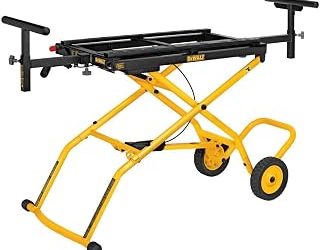
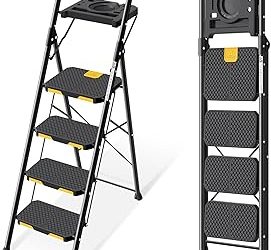
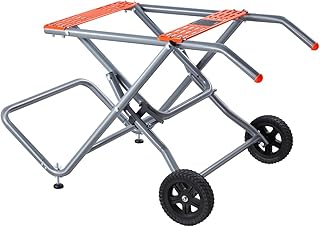
The VEVOR rolling stand is not a saw, but it can improve the working position of a compatible portable model. Its stated 350-pound load capacity, folding design, and large rubber wheels are useful features for workshops that need mobility without leaving equipment permanently assembled. Confirm the mounting pattern and overall stability with your particular saw; a universal stand is only an advantage when the saw sits securely and the resulting height suits your body and feed direction.
Frequently Asked Questions
Is a 10-inch table saw better for cabinet making?
Usually, yes. A 10-inch saw offers broader blade selection and more cutting depth, which is helpful for thicker stock and repeated furniture work. An 8-1/4-inch saw can still handle many cabinet tasks when portability and storage are higher priorities.
Can a portable jobsite saw cut plywood accurately?
Yes, provided the fence is aligned, the blade is sharp, and the panel is fully supported. Add side or outfeed support for large sheets, and avoid allowing the workpiece to drag or sag during the cut.
Do I need a rolling stand?
Not necessarily, but a stable stand can improve posture, reduce setup effort, and make a compact saw easier to store. Choose one that locks firmly and matches the saw’s mounting requirements rather than relying on mobility alone.
What blade should I use for cabinet components?
A sharp combination or general-purpose blade is a practical starting point for plywood and solid wood. For especially clean plywood edges, use a suitable fine-tooth blade and make sure the blade is appropriate for the material and saw.
Final Thoughts
For most home cabinet makers, the DEWALT DWE7491RS is the best foundation because its rip capacity, full-size blade, and rolling stand support demanding panel work. Choose the DEWALT DWE7485 when compact storage matters more, and consider the VEVOR stand as a useful ergonomic upgrade for a compatible portable setup.