Key takeaways
- Seat height and depth: Aim for a 16 to 18 inch seat height so your feet plant flat and your thighs stay parallel to the floor. Depth under 22 inches suits shorter frames; deeper seats force a slouch unless you add a lumbar cushion.
- Deck construction: What sits under the cushion matters more than the cushion. Wood slats or steel mesh distribute load evenly; a bare fabric sling sags into a hammock shape within months and drags the pelvis into a posterior tilt.
- Hinge placement: On split-back models, note where the fold lands when the futon is flat. A hinge line under the shoulder blades or lower back creates a pressure ridge you will feel by morning. Boneless designs sidestep this entirely.
- Cover durability: Corduroy and tight-weave polyester handle friction well and hide wear. Faux leather looks sharp and wipes clean, but check that the coating is bonded rather than sprayed, since thin PU delaminates at the seat crease first.
- Rated capacity and conversion count: Treat weight ratings as a proxy for frame gauge. A 700 pound rating implies thicker steel and better welds than a 500 pound one, which matters when the mechanism cycles daily rather than twice a year.
What's inside
A futon in a small apartment does two jobs that pull in opposite directions. Eight hours a night it needs to behave like a mattress, staying flat and quiet under a sleeper who shifts and rolls. The other sixteen it needs to behave like a sofa, holding a seated spine at roughly 100 degrees without letting hips sink below knees. Most budget convertibles pick one job and fail the other, usually because the folding hinge sits directly under the lumbar zone or because the foam is a single low-density slab that packs out within a season.
This guide evaluates six of the most widely sold compact futons of 2026 through two lenses: postural support across every recline position, and the structural details that predict whether a frame survives three years of daily conversion cycles. Fabric abrasion resistance, deck construction, hinge geometry, and stated weight capacity all factor in. Our picks are below, followed by the criteria worth checking before you commit.
As an Amazon Associate we earn from qualifying purchases.


How to Choose a Small Space Futon (2026)
- Seat height and depth: Aim for a 16 to 18 inch seat height so your feet plant flat and your thighs stay parallel to the floor. Depth under 22 inches suits shorter frames; deeper seats force a slouch unless you add a lumbar cushion.
- Deck construction: What sits under the cushion matters more than the cushion. Wood slats or steel mesh distribute load evenly; a bare fabric sling sags into a hammock shape within months and drags the pelvis into a posterior tilt.
- Hinge placement: On split-back models, note where the fold lands when the futon is flat. A hinge line under the shoulder blades or lower back creates a pressure ridge you will feel by morning. Boneless designs sidestep this entirely.
- Cover durability: Corduroy and tight-weave polyester handle friction well and hide wear. Faux leather looks sharp and wipes clean, but check that the coating is bonded rather than sprayed, since thin PU delaminates at the seat crease first.
- Rated capacity and conversion count: Treat weight ratings as a proxy for frame gauge. A 700 pound rating implies thicker steel and better welds than a 500 pound one, which matters when the mechanism cycles daily rather than twice a year.
The Best Small Space Futons (2026) Reviewed
COMHOMA 72″ Convertible Futon Sofa Bed
The multi-angle backrest is the standout here: intermediate stops between upright and flat let you dial in a genuine lounging angle instead of choosing between rigid and prone. At 72 inches it gives a solo sleeper room to stretch, and the breathable woven cover sheds heat better than any coated surface in this group.
MeMoreCool 59″ Boneless Couch Bed
Boneless construction means no internal frame, no hinge, and no seam ridge across the sleeping surface, which makes this the most comfortable overnight option in the roundup. The 700 pound rating and corduroy cover both point to real longevity, and the 59 by 71 inch bed serves two people who do not mind losing nine inches of queen length.
Gizoon Convertible Sofa Bed
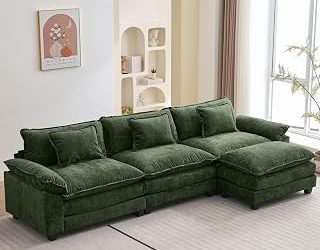
Five backrest positions give the widest postural range on this list, letting you shift the load between the lumbar curve and the thoracic spine over a long evening. The 3-in-1 configuration converts to a chaise, which is the most useful intermediate setting for reading or laptop work in a studio.
Furmax Leather Futon Sofa Bed
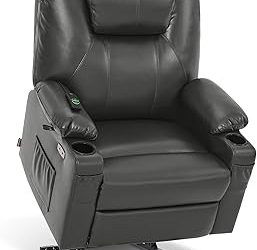
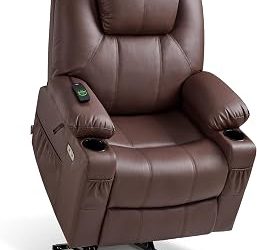
A firmer seat than most, which is a genuine advantage for anyone with lower back sensitivity, since dense foam resists the pelvic roll that soft cushions encourage. The faux leather wipes clean in seconds and the integrated cup holders keep drinks off the seat deck, though leather runs warm in summer without a throw.
Futon Sofa Bed Chair
The right answer for a genuinely tight footprint, arriving assembled and unfolding into a single sleeping surface without tools. The sweat-wicking cover is the practical differentiator, making it a sensible choice next to a yoga mat or gaming desk where a coated fabric would get clammy.
Frequently Asked Questions
Can a small futon work as an everyday bed?
Yes, if the deck is slatted or boneless and the foam is dense enough to resist compression. Avoid split-back frames for nightly use, since the hinge line becomes a pressure point once the foam thins over it.
How firm should the cushion be?
Firmer than a traditional sofa. Convertibles use thinner cushions, so soft foam bottoms out against the frame and offers no support at all. Look for a seat that resists your palm rather than swallowing it.
Do removable armrests actually help?
They do, and the Flamaker futon demonstrates why. Dropping the arms lengthens the usable sleeping surface and lets the futon sit flush against a wall or into an alcove, which is often the difference between fitting and not fitting.
What fails first on a budget futon?
The hinge mechanism and the seat deck, usually together. Cover wear is cosmetic and slow, but a stretched fabric deck or a loosened hinge bolt changes the geometry of the whole piece, so retighten hardware every few months.
Final Thoughts
For daily sleeping, the MeMoreCool 59″ boneless model is the most defensible choice thanks to its unbroken surface and heavy weight rating. The COMHOMA 72″ offers the best all-around compromise if you sit on it more than you sleep on it, and the Gizoon earns its place for anyone who wants a true chaise position in a studio-sized footprint.