Key takeaways
- Structural load: Choose a plant whose mature stems and foliage suit the pergola, not just its youthful appearance. Fast, woody vines need especially strong posts, beams, and fixings.
- Training habit: Look for climbers that can be guided along horizontal wires or slats without repeated ladder work. Flexible growth is easier on both the gardener and the structure.
- Climate fit: Confirm hardiness, sun exposure, winter temperatures, and drainage requirements. A healthy, climate-appropriate vine needs less corrective care.
- Maintenance access: Leave room around posts and seating areas for pruning, watering, inspection, and cleaning. Avoid planting where dense growth will block pathways or pinch moving parts.
- Support system: Use corrosion-resistant wire, generous eyelets, or a dedicated trellis rather than forcing stems around fragile decorative members. Tie growth loosely to allow for expansion.
What's inside
A pergola can turn an ordinary seating area into a shaded garden room, but the wrong climber may create years of maintenance. Some vines become heavy enough to strain timber, twist around gutters, or overwhelm a light-duty trellis; others grow too slowly to provide useful cover or struggle in the available climate.
This guide evaluates five practical options with an ergonomics-and-durability mindset: mature weight, training effort, seasonal behavior, support demands, and how comfortably each plant can be maintained from ground level. Always check your local hardiness zone and the pergola manufacturer’s load guidance before planting.
As an Amazon Associate we earn from qualifying purchases.




How to Choose a/an Climbing Plants For A Pergola (2026)
- Structural load: Choose a plant whose mature stems and foliage suit the pergola, not just its youthful appearance. Fast, woody vines need especially strong posts, beams, and fixings.
- Training habit: Look for climbers that can be guided along horizontal wires or slats without repeated ladder work. Flexible growth is easier on both the gardener and the structure.
- Climate fit: Confirm hardiness, sun exposure, winter temperatures, and drainage requirements. A healthy, climate-appropriate vine needs less corrective care.
- Maintenance access: Leave room around posts and seating areas for pruning, watering, inspection, and cleaning. Avoid planting where dense growth will block pathways or pinch moving parts.
- Support system: Use corrosion-resistant wire, generous eyelets, or a dedicated trellis rather than forcing stems around fragile decorative members. Tie growth loosely to allow for expansion.
The Best Climbing Plants For A Pergola (2026)s Reviewed
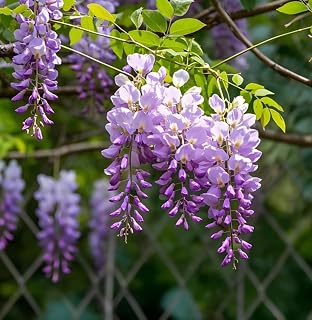
Blue Wisteria Live Plant
This Blue Wisteria Live Plant arrives in a compact 2.5-inch pot and is suited to gardeners who want a manageable starting point for a long-term pergola project. Wisteria can become exceptionally heavy when mature, so install substantial horizontal support early and plan for regular pruning to keep the canopy balanced and accessible.
Three Wisteria Live Plants
The 3 Wisteria Live Plants 1–2 Ft Tall offer a useful starting quantity for training across multiple pergola sections or establishing a fuller visual effect over time. Their vigorous woody growth rewards a deliberate framework, strong anchor points, and pruning that prevents weight from concentrating at one corner.
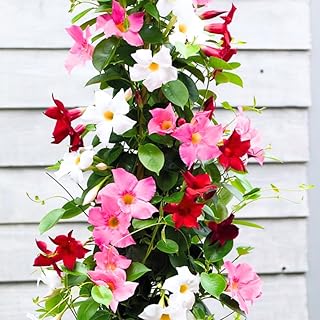
Three Mixed Mandevilla Live Plants
Three Mixed Mandevilla Live Plants are a lighter, more seasonal alternative for sunny pergolas, deck containers, and hanging planters. Their softer stems are easier to guide than mature wisteria, making them friendlier for routine care, although the listed warm-climate range means many gardeners will need to treat them as seasonal plants or protect them in cooler weather.
Climbing Jasmine Seeds
With 410 Climbing Jasmine Seeds for Planting, this option suits patient gardeners who prefer to grow a fragrant, evergreen-style vine from seed. Seed-grown plants require more time and consistency than established starts, and the finished support should be checked periodically so dense growth does not conceal loose ties, corrosion, or moisture damage.
Two Wisteria Live Plants
The 2 Wisteria Live Plants 1–2 Ft Tall provide a balanced choice for a smaller pergola or for gardeners who want to control spacing between plants. As with any wisteria, its eventual mass makes structural planning essential; use independent trellis wires where possible so pruning and repairs do not require working directly against the pergola frame.
Frequently Asked Questions
Which climbing plant is easiest to manage on a pergola?
Mandevilla is generally easier to guide while young because its stems are less heavily woody than mature wisteria. It is best suited to warm conditions and may need seasonal protection, while wisteria demands more structural preparation and long-term pruning.
Can a pergola support wisteria?
It can, provided the pergola is engineered for the plant’s mature weight and the additional load from wet foliage, flowers, and wind. Use robust posts, beams, and dedicated wires or trellis panels, and inspect connections annually.
How should climbing plants be attached?
Use soft horticultural ties, coated wire, or adjustable clips, leaving space for stems to thicken. Avoid tightly tying growth to thin rails or trapping stems against wood, where rubbing and retained moisture can shorten the life of the support.
Should climbing plants grow directly on pergola wood?
It is usually safer to provide a stand-off trellis or wire system. This improves airflow, makes pruning easier, and allows you to inspect the timber for cracking, rot, insects, and water damage without first removing a dense layer of growth.
Final Thoughts
For a durable, long-term installation, the Blue Wisteria Live Plant or the Two Wisteria Live Plants are strong choices when the pergola is properly reinforced and pruning is part of the maintenance plan. For lighter seasonal coverage and easier handling, the Three Mixed Mandevilla Live Plants are the more forgiving option.