Key takeaways
- Growth habit: Choose a vine that matches your available height and width. Twining, clinging, and scrambling plants attach differently, so the pergola may need wire, mesh, or additional supports.
- Structural load: Mature woody vines can become surprisingly heavy, especially when wet. Confirm that the posts, beams, and fasteners can handle the plant’s eventual mass rather than its first-season size.
- Maintenance access: Fast coverage is appealing, but overhead pruning is physically demanding. Favor plants that can be directed from ground level and schedule trimming before stems become thick and difficult to reposition.
- Climate fit: Check hardiness, sunlight, drainage, and winter behavior. A perennial that is marginal in your climate may require protection, while an annual can offer seasonal color with less long-term commitment.
- Surface protection: Dense growth can trap moisture against timber and obscure joints. Use trellis wires or stand-off supports where possible, and inspect the pergola periodically for rot, corrosion, or displaced fasteners.
What's inside
A pergola vine can transform a bare frame into a cooler, more private outdoor room—but the wrong choice can create years of pruning, weak coverage, or structural strain. Buyers often focus on flower color and growth speed while overlooking mature weight, attachment habits, climate suitability, and how much ladder work the plant will require.
This guide evaluates pergola vines from an ergonomics-and-durability perspective. It considers how easily each option can be trained, whether its growth pattern suits a manageable overhead canopy, and how its long-term maintenance may affect both the gardener and the pergola. Always verify hardiness, invasive-plant rules, and mature size for your location before planting.
As an Amazon Associate we earn from qualifying purchases.




How to Choose a/an Pergola Vines (2026)
- Growth habit: Choose a vine that matches your available height and width. Twining, clinging, and scrambling plants attach differently, so the pergola may need wire, mesh, or additional supports.
- Structural load: Mature woody vines can become surprisingly heavy, especially when wet. Confirm that the posts, beams, and fasteners can handle the plant’s eventual mass rather than its first-season size.
- Maintenance access: Fast coverage is appealing, but overhead pruning is physically demanding. Favor plants that can be directed from ground level and schedule trimming before stems become thick and difficult to reposition.
- Climate fit: Check hardiness, sunlight, drainage, and winter behavior. A perennial that is marginal in your climate may require protection, while an annual can offer seasonal color with less long-term commitment.
- Surface protection: Dense growth can trap moisture against timber and obscure joints. Use trellis wires or stand-off supports where possible, and inspect the pergola periodically for rot, corrosion, or displaced fasteners.
The Best Pergola Vines (2026)s Reviewed
Thunbergia Grandiflora Blue Trumpet Vine
The pack of two Thunbergia Grandiflora plants, also called Sky Vine or Bengal Clock Vine, is a strong candidate when rapid screening and large blue flowers are priorities. Its vigorous habit can cover a pergola quickly, but that same energy calls for a sturdy framework and frequent directional pruning so the canopy does not become an unwieldy, top-heavy mass.
Boston Ivy Vine Seeds
Boston Ivy is a practical choice for gardeners who want broad seasonal coverage from seed and appreciate a foliage-led design. Its climbing habit can provide effective privacy on suitable surfaces, though a pergola should use a deliberately installed support system rather than relying on the plant to grip painted wood, roofing, or vulnerable joints.
Purple Wisteria Tree
This two-pack of Purple Wisteria arrives as young, well-rooted plants in small pots and is aimed at gardeners who want a dramatic flowering canopy. Wisteria is a long-term durability test for any pergola: its woody stems and considerable mature weight demand robust posts, beams, and regular pruning, making it best for owners prepared to manage growth from the ground up.
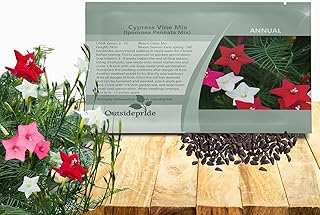
Mixed Cypress Vine Seeds
Outsidepride Mixed Cypress Vine Seeds offer an annual approach with star-shaped flowers and finely divided foliage. The lighter, seasonal growth is generally easier to control than a large woody perennial, making this option attractive for modest pergolas or renters who want color without committing the structure to a permanent heavy vine.
Classic Wisteria Seeds
These 20 heirloom, non-GMO Wisteria Seeds are suited to gardeners willing to wait for a perennial climber to establish from seed. They can eventually deliver the classic arbor effect, but germination and flowering timelines may vary; provide durable support from the beginning and avoid allowing young stems to wind tightly around removable or delicate components.
Frequently Asked Questions
Which pergola vine grows fastest?
Thunbergia Grandiflora is the most obvious fast-coverage option among these selections. Fast growth is not automatically an advantage: it increases trimming frequency and can place more leverage on lightweight pergolas, particularly during wind or rain.
Are wisteria vines suitable for every pergola?
No. Wisteria can become a substantial woody plant, so it is better suited to a firmly anchored pergola with strong posts, beams, and well-secured connections. Inspect the structure before planting and plan to prune regularly to keep weight and spread under control.
What is the easiest option for seasonal coverage?
Mixed Cypress Vine Seeds are a sensible starting point for annual coverage. They offer a lower-commitment way to test sun exposure, training methods, and the pergola’s visual scale before installing a permanent perennial.
How should vines be supported on a pergola?
Use corrosion-resistant wire, trellis panels, or stand-off supports attached to sound structural members. Guide young stems loosely, leave room for expansion, and keep dense foliage away from gutters, fasteners, and areas where trapped moisture could accelerate deterioration.
Final Thoughts
For fast visual impact, Thunbergia Grandiflora Blue Trumpet Vine is the standout, provided the pergola is strong and pruning is realistic. Choose Mixed Cypress Vine for lighter seasonal commitment, or Purple Wisteria for a substantial long-term flowering feature when the structure can genuinely support it.