Key takeaways
- Fit: Measure the usable floor length and width, then leave enough clearance at walls, thresholds, and door swings to prevent bunching or interference.
- Surface safety: Look for a stable non-slip backing, but use a compatible rug pad when the manufacturer recommends one or when the flooring is particularly smooth.
- Low profile: A thin or low-pile runner is generally easier to walk over, vacuum, and position beneath doors than a thick, plush design.
- Maintenance: Washable, stain-resistant materials are useful in entryways and kitchens, but check whether the rug fits your washing machine and how it should be dried.
- Visual balance: Muted patterns and lighter neutrals can soften a narrow hall, while darker or busier designs hide tracked-in marks more effectively.
What's inside
A hallway runner has to tolerate more than ordinary décor: concentrated foot traffic, grit from outdoor shoes, vacuum passes, and the occasional spill. The wrong rug can curl at the ends, creep across smooth flooring, trap debris in a deep pile, or leave a narrow corridor feeling even more cramped. Dimensions matter, but so do backing design, edge stability, cleanability, and how the surface feels underfoot.
This guide evaluates hallway runners from an ergonomics-and-durability perspective. The recommendations focus on practical comfort, low-clearance doors, slip resistance, maintenance, visual scale, and the demands of entryways, kitchens, bedrooms, and other busy passageways. Always confirm the listed measurements and care instructions against your own floor, door swing, and cleaning routine.
As an Amazon Associate we earn from qualifying purchases.



How to Choose a Hallway Runner (2026)
- Fit: Measure the usable floor length and width, then leave enough clearance at walls, thresholds, and door swings to prevent bunching or interference.
- Surface safety: Look for a stable non-slip backing, but use a compatible rug pad when the manufacturer recommends one or when the flooring is particularly smooth.
- Low profile: A thin or low-pile runner is generally easier to walk over, vacuum, and position beneath doors than a thick, plush design.
- Maintenance: Washable, stain-resistant materials are useful in entryways and kitchens, but check whether the rug fits your washing machine and how it should be dried.
- Visual balance: Muted patterns and lighter neutrals can soften a narrow hall, while darker or busier designs hide tracked-in marks more effectively.
The Best Hallway Runner (2026)s Reviewed
Best Extra-Long Neutral Runner
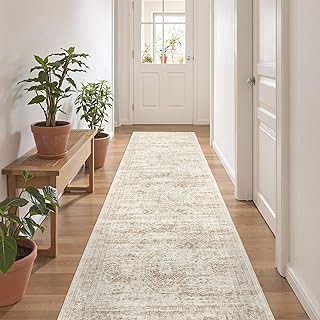
The Hallway Washable Runner Rug in 2’6" x 14′ is a practical choice for a long, uninterrupted corridor or an open entryway-to-kitchen route. Its beige farmhouse styling is visually quiet, while the washable construction and non-slip floor contact suit households that prioritize easy upkeep over thick cushioning.
Best Compact Everyday Runner
The 2×8 Runner Rug Non Slip is well suited to shorter halls, apartment entryways, and narrow kitchen runs. Its neutral beige color, thin profile, washable build, and stain-resistant positioning make it an adaptable option where doors, furniture, or frequent vacuuming leave little room for a bulky rug.
Best Wide Vintage-Style Runner
The Madane Hallway Runner Rug 3×10 offers more width than many standard runners, helping it feel substantial in a broad foyer or generously proportioned hallway. The beige-and-blue vintage pattern adds definition without relying on a high pile, and its washable, low-profile design is sensible for regular foot traffic.
Best Runner for Very Long Corridors
The 3×20 ft Long Hallway Runner Rug is designed for spaces where shorter rugs would create distracting gaps. Its cream-and-beige palette keeps the considerable length from dominating the room, while the low pile, washable surface, and stain-resistant construction are useful for a high-use passage connecting multiple living areas.
Best Dark Pattern for Hiding Wear
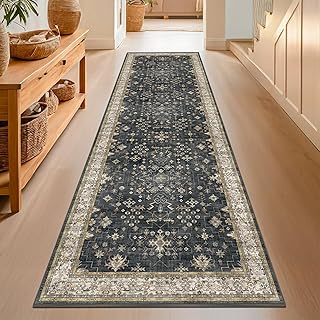
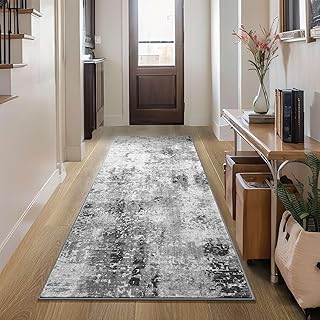
The Dark Washable Long Runners for Hallways measures 2’6" x 8′ and combines a darker ashen/multi palette with boho-vintage styling. The non-slip rubber backing and washable format make it a strong fit for an entryway or kitchen where dust and small marks are inevitable, though darker colors may show lint more readily.
Frequently Asked Questions
What size hallway runner should I buy?
Measure the clear walking area rather than the entire hallway. A runner should not press tightly against both walls, and it should stop short of doorways or thresholds if those areas create a trip or clearance problem. For length, a deliberate margin at each end usually looks more balanced than forcing the rug from wall to wall.
Do hallway runners need rug pads?
Not always, but a compatible pad can improve grip, reduce movement, protect flooring, and add modest cushioning. Check the backing and the flooring manufacturer’s guidance first, particularly with vinyl, polished wood, laminate, or other surfaces that may react poorly to unsuitable rubber or latex.
Are washable runners durable enough for busy areas?
Washability is helpful, but it does not make a rug indestructible. Durability also depends on fiber quality, seam and edge construction, backing stability, and washing technique. Follow the care label, avoid excessive heat when prohibited, and let the rug dry fully before returning it to the floor.
Is a low-pile hallway runner more comfortable?
Low pile is usually the safer ergonomic compromise for a hallway because it reduces toe-catching, rolling resistance, and door interference. It may not feel as cushioned as a plush rug, but a stable, smooth surface is often more comfortable and predictable during repeated walking.
Final Thoughts
For a long neutral corridor, the Hallway Washable Runner Rug 2’6" x 14′ is a balanced starting point; the 2×8 Runner Rug is more practical for compact spaces and frequent cleaning; and the Madane 3×10 stands out when a wider vintage look is needed. Choose based on measured clearance, backing behavior, and maintenance demands—not appearance alone.