Key takeaways
- Leather compatibility: Choose a product labeled for finished or sealed leather unless the sofa manufacturer specifies otherwise. Aniline, nubuck, suede, and heavily distressed leather require specialist care.
- Cleaner-to-conditioner balance: A sofa used daily benefits from gentle cleaning and restrained conditioning. Excess oil or wax can attract dust and make seating feel slick.
- Application control: Creams and low-foam formulas are often easier to distribute evenly across cushions, seams, and arms than runny sprays that can over-wet one spot.
- Surface testing: Always test an inconspicuous area first, especially on white, colored, aged, or previously treated leather. Check the dried result before covering the entire sofa.
- Maintenance frequency: Light wiping and periodic conditioning are usually more useful than aggressive restoration. Select a kit if you need cloths and separate cleaning and conditioning steps.
What's inside
Cleaning a leather sofa is not simply a matter of finding the strongest-looking spray. The wrong formula can leave a tacky film, dull a protective finish, darken pale leather, or encourage uneven drying in high-contact areas. Sofas also present an ergonomic challenge: you need a product that spreads predictably, wipes away without excessive scrubbing, and leaves the surface comfortable rather than slippery.
This guide compares leading leather-care options for finished leather furniture, with attention to cleaning control, conditioning balance, application effort, and long-term surface care. We also consider whether each product suits routine maintenance, neglected upholstery, or a broader household leather-care kit.
As an Amazon Associate we earn from qualifying purchases.




How to Choose a/an To Clean Leather Sofa (2026)
- Leather compatibility: Choose a product labeled for finished or sealed leather unless the sofa manufacturer specifies otherwise. Aniline, nubuck, suede, and heavily distressed leather require specialist care.
- Cleaner-to-conditioner balance: A sofa used daily benefits from gentle cleaning and restrained conditioning. Excess oil or wax can attract dust and make seating feel slick.
- Application control: Creams and low-foam formulas are often easier to distribute evenly across cushions, seams, and arms than runny sprays that can over-wet one spot.
- Surface testing: Always test an inconspicuous area first, especially on white, colored, aged, or previously treated leather. Check the dried result before covering the entire sofa.
- Maintenance frequency: Light wiping and periodic conditioning are usually more useful than aggressive restoration. Select a kit if you need cloths and separate cleaning and conditioning steps.
The Best To Clean Leather Sofa (2026)s Reviewed
Weiman Leather Cleaner & Conditioner, 12 Fl Oz
Weiman’s single-bottle formula is a practical choice for routine sofa maintenance when you want cleaning and conditioning in one pass. Its UV-protection positioning is useful near bright windows, while the compact bottle is easy to control during spot work and cushion-by-cushion cleaning.
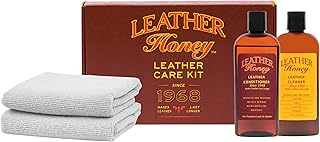
Leather Honey Complete Leather Care Kit
This kit is the most complete option for owners who prefer a clearly staged process rather than a one-step application. Including cleaner, conditioner, and cloths reduces guesswork and supports more consistent coverage, particularly when working across a large sectional or several pieces of leather furniture.
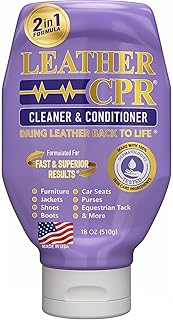
Leather CPR Cleaner and Conditioner
Leather CPR is suited to furniture that looks dry or lacks its original softness but does not need an intensive specialist restoration. The combined cleaner-conditioner format keeps the workflow short, although careful buffing is still important so high-contact areas do not retain excess product.
Leather Honey Leather Conditioner
Leather Honey is a conditioner-first pick for leather that feels thirsty, stiff, or visibly faded from regular use. Because it is not a complete cleaning system on its own, remove dust and grime first; then apply a small amount and allow adequate drying time before judging the finish.
Chemical Guys Leather Cleaner & Conditioner Kit
This two-step kit separates soil removal from conditioning, which is valuable when a sofa needs more deliberate maintenance. Its pH-balanced positioning for natural and sealed leather makes it versatile for furniture and other household items, while the separate bottles help prevent over-conditioning during routine cleaning.
Frequently Asked Questions
Can I use a leather cleaner and conditioner on every sofa?
No. First identify the upholstery type and follow the furniture maker’s care label. These products are generally aimed at finished or sealed leather; suede, nubuck, aniline, and unusual coatings may react differently.
How often should I clean a leather sofa?
Dust and wipe high-use areas as needed, but reserve full cleaning for when the surface has visible soil or feels coated. Conditioning is usually occasional rather than weekly; too much product can create buildup and attract grit.
Should I clean the sofa before conditioning it?
Yes, particularly when there is body oil, food residue, or embedded dust. Applying conditioner over grime can seal contamination against the surface and make the final result look uneven. A two-step kit is helpful when the sofa needs more than light maintenance.
How do I avoid damaging or discoloring leather?
Vacuum loose debris, use a soft cloth, and test the product in a hidden area. Apply sparingly, avoid saturating seams and perforations, and let the test patch dry fully before proceeding. Stop if the leather becomes sticky, darker, or patchy.
Final Thoughts
For straightforward upkeep, Weiman Leather Cleaner & Conditioner is an efficient everyday choice. The Leather Honey Complete Leather Care Kit is better for a methodical clean-and-condition routine, while Chemical Guys’ two-step kit offers useful separation between soil removal and conditioning. Whichever you choose, controlled application and a small-patch test matter as much as the formula itself.