Key takeaways
- Seat height: Look for a low enough minimum height to let both feet rest flat, with knees roughly level with or slightly below the hips.
- Seat depth: A shorter seat pan usually leaves two to three fingers of space behind the knees, reducing pressure on circulation and hamstrings.
- Lumbar position: Fixed lumbar padding can work, but it should contact the lower back rather than the mid-back; adjustable support is more adaptable.
- Armrest clearance: Armrests should allow the chair to approach the desk without forcing the shoulders upward or making the elbows sit too far away.
- Construction: Check the base, casters, cushion density, upholstery, and weight rating. Durable materials matter, but so does a mechanism that remains stable after repeated adjustment.
What's inside
Finding an office chair that genuinely fits a shorter frame is harder than it should be. Many chairs leave feet unsupported, push the seat edge into the knees, or position lumbar padding above the natural curve of the lower back. Those problems can turn a well-padded chair into a source of fatigue.
This guide focuses on fit, adjustment range, pressure distribution, and long-term practicality rather than appearance alone. The selected chairs cover compact gaming-style designs, executive seating, and breathable mid-back options, with particular attention to seat height, usable depth, armrest clearance, and support for focused work at home.
As an Amazon Associate we earn from qualifying purchases at no extra cost to you. Product prices and availability are accurate as of the date shown and are subject to change.



🛒 Best Price Today on Amazon
Prime members get fast, free shipping on everything above, plus member-only deals. New members get a 30-day free trial — cancel anytime.
How to Choose an Ergonomic Office Chair For Short Person (2026)
- Seat height: Look for a low enough minimum height to let both feet rest flat, with knees roughly level with or slightly below the hips.
- Seat depth: A shorter seat pan usually leaves two to three fingers of space behind the knees, reducing pressure on circulation and hamstrings.
- Lumbar position: Fixed lumbar padding can work, but it should contact the lower back rather than the mid-back; adjustable support is more adaptable.
- Armrest clearance: Armrests should allow the chair to approach the desk without forcing the shoulders upward or making the elbows sit too far away.
- Construction: Check the base, casters, cushion density, upholstery, and weight rating. Durable materials matter, but so does a mechanism that remains stable after repeated adjustment.
The Best Ergonomic Office Chair For Short Person (2026)s Reviewed
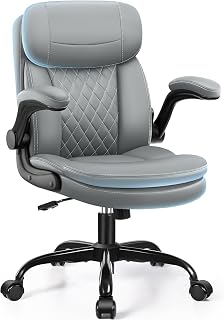
Leather Office Chair with Adjustable Armrests
This compact PU chair is aimed directly at shorter users and combines a supportive back with adjustable armrests and a 360-degree swivel base. Its padded, easy-clean surface suits a home office or occasional gaming setup, although PU leather may feel warm during long sessions and deserves protection from direct sunlight.
Upgraded PU Chair with Double-Layer Cushion
The double-layer seat cushion and included neckrest make this a strong choice for users who prioritize initial softness and upper-back support. Its compact gaming-chair profile can suit shorter desks, but buyers should verify the lowest seat setting and measure the seat depth before relying on the neck pillow for all-day posture.
Brown Swivel Lumbar-Support Office Chair
This brown executive-style chair offers a more traditional appearance while retaining rolling mobility, padded arms, and dedicated lumbar support. It is a practical option for a study or professional home office, especially where wipe-clean upholstery and a visually substantial back are more important than mesh ventilation.
Black Executive Chair with Flip-Up Arms
Flip-up armrests are useful for compact workspaces because they let the chair slide fully under the desk when not in use. This PU model pairs that space-saving feature with lumbar support, but short users should confirm that the seat does not extend too far forward when the backrest is reclined.
BestOffice Mid-Back Swivel Desk Chair
The BestOffice mid-back chair takes a simpler, lighter approach with a breathable backrest, sponge seat, lumbar support, adjustable height, and rolling wheels. Its relatively uncomplicated design can be an advantage for everyday home-office use, though the mid-back format provides less shoulder and neck support than the taller alternatives.
Frequently Asked Questions
What seat height is best for a short person?
There is no single ideal number because leg length varies, but the correct setting allows both feet to rest flat while the knees remain close to a right angle. If the chair is still too tall, a stable footrest is safer than dangling the legs.
Is a high-back chair suitable for shorter users?
Yes, provided the seat height and depth are appropriate. A high back can provide useful shoulder support, but an oversized headrest or fixed lumbar pad may land in the wrong place, so adjustment range matters more than backrest height alone.
Are leather or mesh chairs better for durability?
Neither material is automatically more durable. PU leather is easy to wipe clean but can crack or peel with heat, friction, and age; mesh ventilates better and avoids surface peeling, but its tension and edges should be inspected for sagging or fraying.
What should a short person do if the seat is too deep?
First, try a chair with a shorter seat pan or an adjustable seat slider. A firm lumbar cushion can reduce the gap temporarily, but do not place a thick cushion behind the back if it pushes the shoulders forward or compromises the chair’s stability.
Final Thoughts
For a compact, padded design, the Leather Office Chair with Adjustable Armrests is a sensible starting point. The Upgraded PU Chair is better suited to users who want extra cushioning and a neckrest, while the BestOffice Mid-Back Swivel Desk Chair offers a cooler, less bulky alternative for routine desk work. Whichever model you choose, prioritize flat-footed posture and correct seat depth over padding thickness or executive styling.