Key takeaways
- Material: Solid wood offers a repairable, traditional surface, while PVC, PU, and rubberwood-based options are better suited to protection, cleanup, or ready-to-install convenience.
- Thickness: Thicker tops resist flex and spread clamping force more effectively. Thin mats work best as protective layers over a rigid bench, not as structural tops.
- Grip and comfort: A lightly textured, non-slip surface helps stabilize parts, but excessive texture can make marking, sliding, and cleaning more difficult.
- Maintenance: Choose a sealed or cleanable surface if you regularly use glue, finishes, automotive fluids, or metalworking oils. Unfinished wood needs an appropriate finish before heavy use.
- Fit and installation: Confirm the dimensions, account for overhang and vise placement, and check whether the product can be trimmed, drilled, sanded, or refinished without weakening it.
What's inside
A workbench top has to do more than fill the space between four legs. It must resist dents, tolerate spilled finishes and solvents, stay comfortable under hand tools, and remain stable when you clamp or strike a workpiece. The wrong surface can curl at the edges, transmit too much vibration, or show damage after a few demanding projects.
This guide compares practical workbench top materials for garages, craft rooms, and home workshops. The focus is ergonomics and service life: surface feel, impact resistance, cleanability, thickness, installation flexibility, and how well each option suits woodworking, repair, or general DIY use.
As an Amazon Associate we earn from qualifying purchases.




How to Choose a Workbench Top Material (2026)
- Material: Solid wood offers a repairable, traditional surface, while PVC, PU, and rubberwood-based options are better suited to protection, cleanup, or ready-to-install convenience.
- Thickness: Thicker tops resist flex and spread clamping force more effectively. Thin mats work best as protective layers over a rigid bench, not as structural tops.
- Grip and comfort: A lightly textured, non-slip surface helps stabilize parts, but excessive texture can make marking, sliding, and cleaning more difficult.
- Maintenance: Choose a sealed or cleanable surface if you regularly use glue, finishes, automotive fluids, or metalworking oils. Unfinished wood needs an appropriate finish before heavy use.
- Fit and installation: Confirm the dimensions, account for overhang and vise placement, and check whether the product can be trimmed, drilled, sanded, or refinished without weakening it.
The Best Workbench Top Materials (2026) Reviewed
Howizz Acacia Butcher Block Countertop
The Howizz Acacia Butcher Block is a strong choice when you want a genuine wood work surface with enough mass for light to moderate bench work. Its unfinished face can be sealed, oiled, or painted to suit the shop, although finishing both sides and all edges is important for moisture stability. Acacia’s attractive grain also makes this a practical option for a workbench that doubles as a desk or utility counter.
Unfinished Birch Butcher Block Countertop
This 60-inch birch slab provides useful working length and a smooth, even surface for layout, assembly, and general woodworking. Birch is comparatively uniform and easy to finish, but it benefits from a durable protective coating because unfinished wood absorbs glue, stains, and workshop spills. Its substantial thickness gives it better resistance to flex than a thin overlay.
ClosetMaid ProGarage Workbench Top
The ClosetMaid ProGarage Workbench Top is aimed at users who want a purpose-built, heavy-duty surface rather than a raw slab requiring extensive preparation. Rubberwood provides a solid, workmanlike feel, while the scratch-resistant finish should handle everyday garage use better than a delicate decorative countertop. It is particularly suitable for tool storage systems and repair benches where durability and straightforward installation matter more than custom finishing.
Drydiet PU Leather Workbench Pad Topper
The Drydiet workbench pad is a flexible protective layer for an existing bench, especially where quiet handling and easy cleanup are priorities. PU leather is gentler on finished parts than bare wood or rough metal and can be cut to fit unusual layouts. It should not be treated as a structural workbench top: use it over a rigid surface, and keep sharp blades, intense heat, and aggressive solvents away from the material.
48-Inch PVC Workbench Mat with Steel-Plate Texture
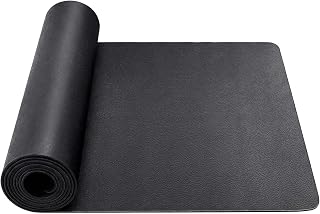
This 48-inch PVC mat is best viewed as a sacrificial top protector for a solid bench. Its textured surface adds grip and helps shield the underlying worktop from scratches, stains, and routine tool contact, while the slim profile preserves working height. The same thin construction that makes it easy to install limits impact absorption and clamping support, so it is more useful for crafting, assembly, and light DIY than heavy striking work.
Frequently Asked Questions
What is the best material for a general-purpose workbench?
A thick solid-wood top is the most versatile choice for many home workshops because it supports clamping, can be drilled or refinished, and provides a comfortable surface for extended hand work. Add a replaceable mat if you frequently use adhesives, finishes, or sharp tools.
Are PVC and PU mats suitable as standalone workbench tops?
Usually not. These products are protective overlays rather than load-bearing slabs, so they perform best when placed over plywood, solid wood, or another rigid bench surface. Their value is in reducing wear, noise, and cleanup—not in replacing structural support.
Should an unfinished butcher block be sealed?
Yes, particularly in a garage or humid workspace. A suitable hard-wearing oil, polyurethane, or other compatible finish helps reduce staining and moisture movement. Follow the finish manufacturer’s instructions and allow complete curing before placing tools or parts on the surface.
How thick should a workbench top be?
For a fixed woodworking bench, around 1.5 inches is a useful minimum for stiffness in many home-shop applications, though heavier work or wide spans may justify a thicker laminated or reinforced design. A thin mat can be added without materially changing bench height.
Final Thoughts
For a substantial, adaptable work surface, the Howizz Acacia and unfinished birch butcher blocks are compelling starting points; the ClosetMaid ProGarage top is the easier garage-oriented choice. For protecting an existing bench rather than rebuilding it, the Drydiet PU pad offers the most forgiving overlay, while the PVC mat is a practical low-profile shield for lighter projects.