Key takeaways
- Leather compatibility: Confirm that the formula suits finished or sealed leather, which covers most contemporary sofas. Unfinished and specialty leathers often require manufacturer-approved care.
- Cleaning versus conditioning: A cleaner removes soil; a conditioner replenishes surface lubrication. Combination formulas are convenient, but heavily used sofas may benefit from a separate cleaning step first.
- Residue and feel: The best conditioner leaves leather supple without creating a slippery seat, tacky armrest, or oily transfer onto clothing.
- Durability support: Look for protection against drying, cracking, and fading, while remembering that conditioner cannot repair deep structural damage or worn-through pigment.
- Application control: A manageable bottle, clean cloth, and thin-application technique matter. Excess product is harder to remove from perforations, stitching, and textured upholstery.
What's inside
Leather sofas are built to age well, but the wrong conditioner can leave them greasy, darkened, or deceptively slick. The bigger risk is using a product that cannot penetrate the leather’s finish, or applying too much and trapping residue in seams, grain, and contact areas.
This guide evaluates sofa conditioners from an ergonomics-and-durability perspective: how evenly they apply, whether they preserve a comfortable grip, how well they support flexibility and surface protection, and how practical they are for routine maintenance. Always test an inconspicuous area first, particularly on aniline, nubuck, suede, or unfinished leather.
As an Amazon Associate we earn from qualifying purchases.




How to Choose a/an Leather Conditioner For Sofa (2026)
- Leather compatibility: Confirm that the formula suits finished or sealed leather, which covers most contemporary sofas. Unfinished and specialty leathers often require manufacturer-approved care.
- Cleaning versus conditioning: A cleaner removes soil; a conditioner replenishes surface lubrication. Combination formulas are convenient, but heavily used sofas may benefit from a separate cleaning step first.
- Residue and feel: The best conditioner leaves leather supple without creating a slippery seat, tacky armrest, or oily transfer onto clothing.
- Durability support: Look for protection against drying, cracking, and fading, while remembering that conditioner cannot repair deep structural damage or worn-through pigment.
- Application control: A manageable bottle, clean cloth, and thin-application technique matter. Excess product is harder to remove from perforations, stitching, and textured upholstery.
The Best Leather Conditioner For Sofa (2026)s Reviewed
Weiman Leather Cleaner & Conditioner
Weiman’s combined cleaner-and-conditioner format is a sensible choice for finished sofas that need routine cleaning with a light protective treatment. Its UV-protection positioning is useful in bright rooms, while the all-in-one approach reduces the number of products and handling steps; apply sparingly to avoid a slick feel on seating surfaces.
Leather Honey Leather Conditioner
Leather Honey is best suited to owners prioritizing deep conditioning and long maintenance intervals rather than rapid, frequent polishing. Its concentrated texture calls for careful dosing and thorough buffing, but that extra control can help preserve flexibility on dry furniture leather without leaving a heavily perfumed surface.
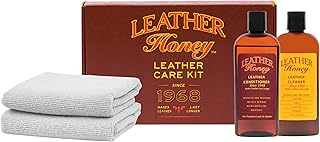
Leather Honey Complete Leather Care Kit
This kit is a practical system for sofas that need both soil removal and conditioning, since the cleaner and conditioner address different maintenance jobs. Including cloths makes the process easier to standardize, which is valuable for even coverage across cushions, arms, and high-contact panels.
Weiman Leather Cleaner & Conditioner, Two-Pack
The two-pack version is a strong maintenance option for a sectional, a large sofa, or a household with several leather pieces. It offers the same convenient cleaner-conditioner workflow as the single package, and buying a larger supply can encourage consistent care instead of waiting until the leather looks visibly dry.
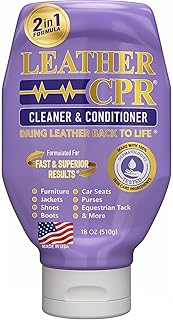
Leather CPR Cleaner and Conditioner
Leather CPR is designed for restoring a softer appearance and renewed surface sheen across furniture and other leather goods. It is particularly appealing when a sofa looks dull but is not seriously damaged; use a small amount and buff well so the finish remains comfortable rather than polished and slippery.
Frequently Asked Questions
How often should I condition a leather sofa?
For a typical household, conditioning every three to six months is a reasonable starting point. Increase attention in dry, heated rooms or near sunny windows, but rely on the manufacturer’s care instructions and the leather’s response rather than applying on a rigid schedule.
Should I clean the sofa before using conditioner?
Yes, especially if the surface has body oil, dust, food residue, or visible grime. Conditioning over soil can seal contaminants into the grain and create uneven patches; clean gently, allow the leather to dry fully, then apply conditioner in a thin layer.
Can leather conditioner fix cracks?
It may soften surrounding leather and slow further drying, but it cannot restore leather that has already split or lost its topcoat. Deep cracks, peeling pigment, and structural tears usually require professional repair or replacement of the affected upholstery panel.
Why does my sofa feel slippery after conditioning?
Usually, too much product was applied, or the formula is not well matched to the sofa’s finish. Remove excess with a clean, dry microfiber cloth and allow the surface to settle; if the problem persists, consult the upholstery maker before repeating treatment.
Final Thoughts
For straightforward routine care, Weiman Leather Cleaner & Conditioner is a convenient pick, while Leather Honey Leather Conditioner suits owners focused on intensive conditioning and long-term flexibility. The Leather Honey Complete Leather Care Kit is the most practical choice when a sofa needs a coordinated clean-and-condition process with fewer guesswork steps.