Key takeaways
- Measure the full footprint: Record width, depth, height, and the space required when an ottoman, armrest, or sleeper function is extended. Also measure doorways, elevators, and stair turns.
- Prioritize sitting posture: A seat that is too deep can leave shorter users without back support, while a very shallow seat may feel perched. Look for dimensions that let you sit with feet supported and shoulders relaxed.
- Check frame and cushion construction: Hardwood or reinforced framing generally offers better longevity than a lightly built shell. Removable covers and resilient cushioning also make routine maintenance easier.
- Match upholstery to use: Fabric can feel warmer and more forgiving, while faux leather wipes clean quickly. Teddy, chenille, and corduroy textures add comfort but may require more careful vacuuming.
- Consider conversion hardware: Futons and sleeper sofas need stable hinges, sensible adjustment angles, and enough clearance to operate without scraping walls or blocking essential pathways.
What's inside
Fitting a sofa into a compact room is less about finding the smallest footprint and more about balancing usable seating, access clearance, support, and long-term wear. A couch that looks efficient on a listing can still overwhelm a walkway, sag under daily use, or become uncomfortable when its frame and cushions are undersized.
This guide evaluates small-space sofas through an ergonomics-and-durability lens: seat depth, posture, conversion hardware, upholstery practicality, assembly, and how each design is likely to behave in an apartment, bedroom, office, or dorm. The goal is to help you choose a sofa that fits the room without making everyday use feel compromised.
As an Amazon Associate we earn from qualifying purchases.


How to Choose a/an Sofa Small Space (2026)
- Measure the full footprint: Record width, depth, height, and the space required when an ottoman, armrest, or sleeper function is extended. Also measure doorways, elevators, and stair turns.
- Prioritize sitting posture: A seat that is too deep can leave shorter users without back support, while a very shallow seat may feel perched. Look for dimensions that let you sit with feet supported and shoulders relaxed.
- Check frame and cushion construction: Hardwood or reinforced framing generally offers better longevity than a lightly built shell. Removable covers and resilient cushioning also make routine maintenance easier.
- Match upholstery to use: Fabric can feel warmer and more forgiving, while faux leather wipes clean quickly. Teddy, chenille, and corduroy textures add comfort but may require more careful vacuuming.
- Consider conversion hardware: Futons and sleeper sofas need stable hinges, sensible adjustment angles, and enough clearance to operate without scraping walls or blocking essential pathways.
The Best Sofa Small Space (2026)s Reviewed
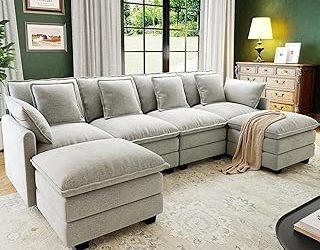
73.6-Inch Convertible Sectional with Reversible Ottoman
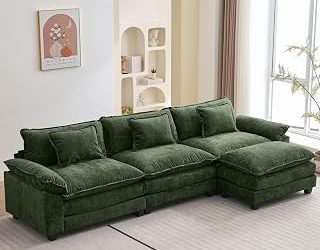
This compact L-shaped sectional is a strong choice when you want three-seat capacity without committing to a large room layout. Its reversible ottoman allows the chaise position to change, which is useful in rentals or rooms where furniture arrangements evolve. The main durability questions are cushion resilience and the firmness of the connection points, so careful assembly and periodic hardware checks are worthwhile.
CHYMSUN 57-Inch Faux Leather Loveseat
The CHYMSUN loveseat uses a narrow, upright profile that suits desks, dorms, bedrooms, and waiting areas where every inch matters. Faux leather is practical for spills and frequent contact, while USB charging ports and side pockets improve usability without adding tables or accessories. Its compact proportions are best for two lighter users or one person who wants a more structured seat rather than a sprawling lounge.
Welzona 51-Inch Teddy Loveseat
The Welzona stands out for its all-wood construction, washable covers, and tool-free setup—features that make it unusually practical for small homes and frequent movers. The teddy fabric should feel inviting and warm, although its textured surface benefits from regular vacuuming to prevent dust and debris from settling into the pile. At 51 inches wide, it is an efficient personal sofa or close two-person seat, not a substitute for a full-size couch.
Urhanherry 47-Inch Chenille Mini Sofa
At just 47 inches wide, the Urhanherry is designed for genuinely tight spaces such as bedrooms, dorms, and compact offices. Its soft chenille upholstery, throw pillow, and removable cushion cover emphasize comfort and maintenance, while the small seat demands realistic expectations about capacity. It is a sensible choice for reading, dressing areas, or occasional seating where preserving floor space matters more than maximum lounging room.
64-Inch Convertible Futon with Cup Holders
This PU leather futon offers more flexibility than a fixed loveseat, with three adjustable angles, two cup holders, and a removable armrest. The configuration can work well in a multipurpose office or guest room, but conversion furniture should be positioned with enough clearance to avoid repeated impacts against walls. The wipe-clean surface is convenient, though users seeking a softer, less heat-retentive feel may prefer a fabric model.
Frequently Asked Questions
What sofa size works best in a small living room?
There is no universal width, but a sofa should leave comfortable circulation around doors, windows, and major furniture. For especially tight rooms, loveseats around 47 to 57 inches can preserve access, while a sectional around 66 to 74 inches may provide more seating if its depth and chaise projection fit the layout.
Are small sofas comfortable for adults?
Yes, provided the seat height and depth suit the user. Check whether your lower back is supported without sliding forward and whether your feet rest naturally on the floor. Compact sofas are often more comfortable when used upright rather than treated as oversized loungers.
Is faux leather or fabric better for a small-space sofa?
Faux leather is easy to wipe clean and can be useful in dining-adjacent areas, offices, or homes with frequent spills. Fabric usually feels more breathable and forgiving for long sitting sessions. The best choice depends on cleaning habits, room temperature, and whether a removable cover is available.
Do futon sofas make good everyday couches?
They can, especially in rooms that must serve as both seating and sleeping areas. However, inspect the hinge feel, back support, armrest stability, and mattress padding before relying on one daily. A fixed loveseat or sectional is usually the better ergonomic choice if sleeping conversion is rarely needed.
Final Thoughts
The Welzona is a compelling durability-and-maintenance pick, the CHYMSUN suits highly compact functional spaces, and the reversible-ottoman sectional offers the most adaptable seating layout. Choose based on measured clearances and daily posture needs—not simply the smallest listed width.