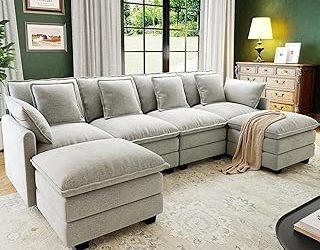
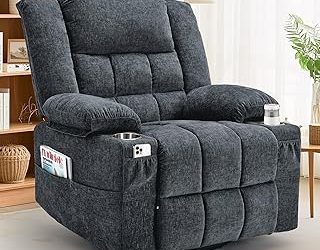
Key takeaways
- Wear resistance: Look for a tightly woven surface and a stable backing, especially for seat cushions, arms, and other high-contact areas. Decorative fabrics may be better reserved for occasional furniture.
- Texture and comfort: Chenille and velvet offer a soft, inviting hand, while linen-look and microsuede fabrics provide a different balance of grip, smoothness, and visual character. Consider how the material feels against bare skin.
- Maintenance: Upholstery fabric is not automatically machine washable. Confirm the seller’s care instructions, and favor surfaces that will not trap crumbs or visibly highlight minor spills.
- Fabric stability: A firm weave and suitable backing help reduce stretching, rippling, and seam distortion. This matters most on removable cushion covers and tightly fitted upholstery.
- Quantity and matching: Measure each panel, add allowance for seams and pattern direction, and order extra for mistakes or future repairs. Dye lots and texture can vary between separate cuts.
What's inside
Choosing sofa fabric is less about finding the prettiest swatch and more about matching performance to daily use. A fabric that feels luxurious in a showroom may show every mark, flatten under pressure, or resist wear poorly once exposed to pets, children, sunlight, and repeated sitting.
This guide evaluates practical upholstery materials through an ergonomics-and-durability lens: hand feel, friction, cleanability, structure, coverage, and suitability for cushions or full sofa projects. It includes options ranging from linen-look cloth and chenille to velvet, faux linen, and microsuede, so you can select based on how the sofa will actually be used.
As an Amazon Associate we earn from qualifying purchases.


How to Choose a/an Sofa Fabrics (2026)
- Wear resistance: Look for a tightly woven surface and a stable backing, especially for seat cushions, arms, and other high-contact areas. Decorative fabrics may be better reserved for occasional furniture.
- Texture and comfort: Chenille and velvet offer a soft, inviting hand, while linen-look and microsuede fabrics provide a different balance of grip, smoothness, and visual character. Consider how the material feels against bare skin.
- Maintenance: Upholstery fabric is not automatically machine washable. Confirm the seller’s care instructions, and favor surfaces that will not trap crumbs or visibly highlight minor spills.
- Fabric stability: A firm weave and suitable backing help reduce stretching, rippling, and seam distortion. This matters most on removable cushion covers and tightly fitted upholstery.
- Quantity and matching: Measure each panel, add allowance for seams and pattern direction, and order extra for mistakes or future repairs. Dye lots and texture can vary between separate cuts.
The Best Sofa Fabrics (2026)s Reviewed
Thick Linen Type Cloth Fabric
The Thick Linen Type Cloth Fabric in Dark Grey is a sensible choice for a restrained, tailored look without the visual delicacy of fine linen. Its substantial feel should suit chair panels, cushion fronts, and moderate-use sofa upholstery, while the dark shade is forgiving of everyday dust and small marks.
Premium Upholstery Chenille
Premium Upholstery Chenille in Grey Blue brings a soft, textured surface that can make a sofa feel more welcoming without becoming overly glossy. Chenille is particularly useful where tactile comfort matters, though its pile should be checked regularly for crushed areas and brushed gently rather than scrubbed aggressively.
TinaKim Soft Upholstery Velvet
TinaKim Soft Upholstery Velvet is a strong decorative option for a statement chair, accent sofa, or selected cushion panels. The polyester construction offers practical resilience, but velvet’s directional pile can show shading and pressure marks, so it benefits from careful placement and occasional low-pressure brushing.
LaSilk Premium Faux Linen
LaSilk Premium Upholstery Fabric in Beige offers a broad, 57-inch width and a neutral linen-inspired appearance that works well with contemporary, coastal, and transitional interiors. The thicker construction is useful for upholstery and pillow covers, although beige remains less forgiving of spills than charcoal, brown, or mid-tone blue.
Mini Chenille Fabric
Mini Chenille Fabric combines a soft linen-blend surface with a compact texture that can disguise minor wear better than a completely smooth material. Its 57-inch width and range of colors make it flexible for sofas, cushions, and coordinated sewing projects; inspect the fabric direction carefully before cutting.
Frequently Asked Questions
What is the most durable fabric for a sofa?
Durability depends on weave, backing, construction quality, and use, not just the fiber name. Polyester velvet, chenille, and microsuede can all perform well when tightly made and correctly installed, while a loosely woven natural-looking fabric may wear sooner in a busy household.
Is chenille a good choice for sofa cushions?
Yes, particularly when softness and visual texture are priorities. Choose a dense, stable chenille, rotate reversible cushions when possible, and avoid harsh cleaning that can disturb the surface fibers or create uneven shading.
Is velvet practical for everyday furniture?
It can be, especially in polyester form, but it requires more visual maintenance. Velvet may display nap changes, fingerprints, and compressed seating zones, so it is often easiest to live with on accent furniture or sofas where regular grooming is acceptable.
How much extra upholstery fabric should I buy?
Buy enough to account for seam allowances, pattern direction, matching, and cutting errors. For a complex sofa, have the upholsterer create a cutting estimate; for smaller projects, a modest reserve is valuable for repairs because an exact replacement may not remain available.
Final Thoughts
For a balanced everyday option, start with the Thick Linen Type Cloth Fabric or Mini Chenille Fabric. Choose Premium Upholstery Chenille when softness is central, and reserve TinaKim Velvet for a richer statement finish where its pile and maintenance demands can be managed.