Key takeaways
- Cover Removability: A sofa with zip-off, machine-washable covers is the single biggest advantage a pet owner can have. Chenille and microfiber covers that survive repeated wash cycles without pilling are the gold standard — avoid fixed upholstery that can only be spot-cleaned.
- Fabric Tightness and Weave: Open-weave fabrics are claw magnets. Look for dense, tight-knit chenille or corduroy with short pile. These resist puncture and don’t trap hair in deep crevices, which also reduces allergen buildup around the seating surface.
- Modularity and Replaceability: A modular or boneless construction means individual cushions and sections can be rotated, flipped, or swapped when one area takes more abuse than the others. This extends the sofa’s functional life by years compared to a single-frame design.
- Frame and Joint Integrity: Pets — especially larger breeds — create point-load stress that furniture designers rarely account for. Steel-reinforced frames or solid hardwood joints will resist the lateral forces of animals jumping on and off far better than glued particleboard or thin tubing.
- Low-Maintenance Surface Geometry: Tight crevices between cushions trap hair and debris, making cleaning tedious. Deep-seat designs with continuous cushion surfaces or removable ottoman inserts give you flat, easy-to-clean planes that a lint roller or vacuum can cover in seconds.
What's inside
If you live with pets, you already know the drill: fur works its way into every seam, claws test the limits of upholstery, and that “new sofa” look has a suspiciously short expiration date. The core problem isn’t finding an affordable sectional — it’s finding one that doesn’t sacrifice durability or comfort for a price that makes sense.
This guide brings together six sofas that genuinely address pet-owner realities: washable covers, tight-weave fabrics that resist snagging, modular builds that let you flip or replace sections, and frame structures that hold up under the daily ambush of a 70-pound dog launching off the armrest. Every pick below has been evaluated through the lens of long-term material fatigue, joint support, and how well it actually holds together after a year of muddy paws and enthusiastic zoomies.
As an Amazon Associate we earn from qualifying purchases.




How to Choose a Pet-Friendly Sofa (2026)
- Cover Removability: A sofa with zip-off, machine-washable covers is the single biggest advantage a pet owner can have. Chenille and microfiber covers that survive repeated wash cycles without pilling are the gold standard — avoid fixed upholstery that can only be spot-cleaned.
- Fabric Tightness and Weave: Open-weave fabrics are claw magnets. Look for dense, tight-knit chenille or corduroy with short pile. These resist puncture and don’t trap hair in deep crevices, which also reduces allergen buildup around the seating surface.
- Modularity and Replaceability: A modular or boneless construction means individual cushions and sections can be rotated, flipped, or swapped when one area takes more abuse than the others. This extends the sofa’s functional life by years compared to a single-frame design.
- Frame and Joint Integrity: Pets — especially larger breeds — create point-load stress that furniture designers rarely account for. Steel-reinforced frames or solid hardwood joints will resist the lateral forces of animals jumping on and off far better than glued particleboard or thin tubing.
- Low-Maintenance Surface Geometry: Tight crevices between cushions trap hair and debris, making cleaning tedious. Deep-seat designs with continuous cushion surfaces or removable ottoman inserts give you flat, easy-to-clean planes that a lint roller or vacuum can cover in seconds.
The Best Pet-Friendly Sofas (2026) Reviewed
L-Shaped Modular Sectional with Washable Chenille Cover
This 102.6-inch sectional is purpose-built for pet households. The removable chenille cover snaps off for full machine washing, and the reversible chaise lets you relocate the high-traffic zone when one side starts showing wear. The integrated storage ottoman doubles as a hideaway for blankets and toys, keeping your living space organized between cleanings. From a durability standpoint, the modular joint system distributes weight evenly — critical for homes where a large dog claims one end as a permanent lookout post.
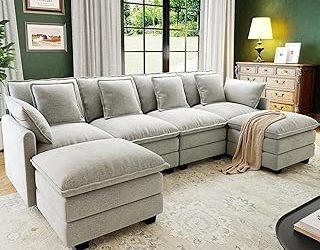
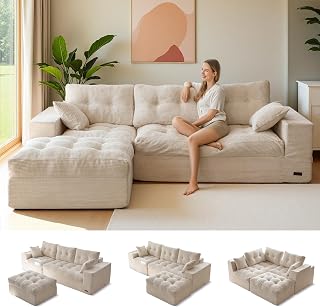
107-Inch Cloud Couch Sectional
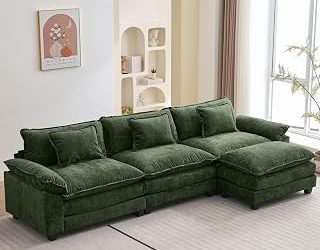
The deep-seat U-shaped configuration offers generous lounging space, but the real win here is the six removable, washable pillows — each one acts as a sacrificial layer you can toss in the wash without wrestling the entire sectional apart. The modular ottoman sections provide flexible layout options, which is helpful when you need to rearrange around pet gates or crate placement. The foam density strikes a good middle ground between plush comfort and postural support for extended sitting.
MAXYOYO Boneless L-Shaped Couch
At 96 inches with a layered cushioning system, this boneless design eliminates rigid frame edges that pets tend to collide with during play. The flexible module configuration means the couch arrives boxed and assembles without tools — you simply unfold and arrange. The beige upholstery is a bold choice for pet owners, but the layered cushion construction compresses and recovers well, resisting the permanent indentations that animals leave behind. Best suited for spacious rooms where pets have room to circulate.
Convertible Futon Sofa Bed
The corduroy boneless construction on this 78.8-inch futon is surprisingly resilient — short-pile corduroy resists claw snags better than most fabric categories at this price point. The built-in storage pocket keeps remotes and small items away from curious mouths, and the convertible pull-out mechanism means you’re getting a guest bed and a sofa without adding furniture that competes for space with pet accessories. No-assembly design means no loose hardware for pets to find.
Convertible Sectional with Ottoman Coffee Table
This 101-inch U-shaped linen sectional integrates a storage ottoman that serves triple duty: footrest, coffee table surface, and enclosed storage for pet grooming supplies or blankets. The linen fabric breathes well in warm climates, reducing the trapped-heat buildup that makes pets avoid certain upholstered surfaces. The storage pocket along the arm is a small detail, but keeping frequently used items off the seat surface means fewer objects for pets to displace or chew.
Frequently Asked Questions
What fabric is most resistant to dog claws?
Tightly woven chenille and short-pile corduroy consistently outperform looser weaves and smooth leather alternatives in resistance to claw puncture. Microfiber also ranks well because its ultra-dense surface doesn’t give claws anything to grip. Avoid boucle, velvet, and open-weave linen blends, which snag and fray quickly under regular pet contact.
How often should I wash removable sofa covers if I have pets?
For a single-pet household, washing covers every two to three weeks keeps allergen levels manageable and prevents fur odor from setting in. Multi-pet homes with shedding-heavy breeds may need weekly washes on the most-used sections. Always check the care label — most quality chenille covers handle cold-water machine washes without shrinkage, but high-heat drying can break down elastic edges on zip-off cushions.
Are boneless sofas actually durable enough for large dogs?
Modern boneless sofas use high-density foam cores and steel-reinforced base panels that handle significant weight — many support 300+ pounds per seat module. The absence of rigid joints actually reduces fracture points. The key is foam quality: look for layered constructions that use a firm base layer topped with a softer comfort layer, which prevents the “bottoming out” that accelerates wear under repeated heavy use.
Is a light-colored sofa realistic with pets?
It’s feasible if the fabric is machine-washable and you commit to regular cleaning. Light chenille and corduroy hide pet hair better than dark fabrics — white and orange fur show on dark upholstery instantly, while neutral tones blend more forgivingly. The real deciding factor isn’t color; it’s whether the cover can go through a washing cycle every week or two without degrading.
Final Thoughts
For pet owners who want the best balance of durability, washability, and everyday comfort, the L-Shaped Modular Sectional with Washable Chenille Cover stands out as the top recommendation — its removable cover and reversible chaise are genuinely practical features, not marketing extras. The 107-Inch Cloud Couch Sectional is a strong runner-up for households that need maximum lounging space alongside washable pillow inserts. And for budget-conscious buyers in smaller rooms, the Convertible Futon Sofa Bed delivers surprising resilience in its corduroy construction without demanding assembly or premium spending.