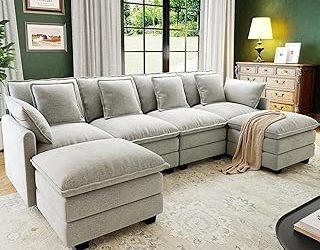
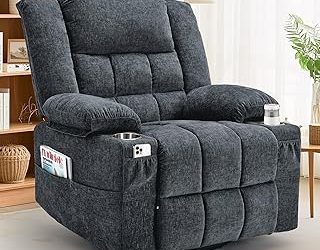
Key takeaways
- Frame Construction: Look for kiln-dried hardwood or heavy-gauge steel frames. Particleboard cores flex and crack under repeated recline cycling, especially on multi-seat models where weight distribution shifts constantly.
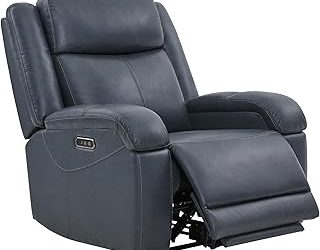
- Recline Mechanism Type: Power recliners offer precise positioning and smoother operation but add motor-failure risk. Manual lever systems are simpler to repair and have fewer failure points, though they demand more physical effort to operate.
- Foam Density and Layering: High-resilience foam (1.8 lb/ft³ or higher) maintains its shape under load. Low-density foam compresses unevenly within months, creating permanent body impressions — especially problematic in recliners where the seat-to-back angle changes the pressure map.
- Upholstery Material: Top-grain leather breathes and develops patina; bonded leather peels. Faux leather holds up well in moderate climates but traps heat. Performance fabrics resist staining but can pill under friction from regular recline cycles.
- Weight Capacity and Clearance: Confirm the stated weight limit per seat and measure the recline footprint. A sofa that fits flush against the wall may extend 20–30 inches when fully reclined, which matters enormously in compact rooms.
What's inside
Shopping for a recliner sofa in 2026 means wading through dozens of listings that all promise “ultimate comfort” while obscuring the details that actually matter — frame gauge steel thickness, foam density ratings, motor quality, and upholstery longevity under daily use. Without a clear framework, buyers frequently end up with squeaky joints, flat seat cushions, or leather that cracks within two seasons.
This guide distills what an ergonomics-and-durability lens reveals about today’s recliner sofas. I evaluated cushion support geometry, recline mechanism type, upholstery material performance, and structural reinforcement — the factors that separate a recliner you enjoy for a decade from one you replace by year three. Below you’ll find the standout picks and a straightforward buying framework to match the right model to your body, your room, and your expectations.
As an Amazon Associate we earn from qualifying purchases.


How to Choose a Recliner Sofa (2026)
- Frame Construction: Look for kiln-dried hardwood or heavy-gauge steel frames. Particleboard cores flex and crack under repeated recline cycling, especially on multi-seat models where weight distribution shifts constantly.
- Recline Mechanism Type: Power recliners offer precise positioning and smoother operation but add motor-failure risk. Manual lever systems are simpler to repair and have fewer failure points, though they demand more physical effort to operate.
- Foam Density and Layering: High-resilience foam (1.8 lb/ft³ or higher) maintains its shape under load. Low-density foam compresses unevenly within months, creating permanent body impressions — especially problematic in recliners where the seat-to-back angle changes the pressure map.
- Upholstery Material: Top-grain leather breathes and develops patina; bonded leather peels. Faux leather holds up well in moderate climates but traps heat. Performance fabrics resist staining but can pill under friction from regular recline cycles.
- Weight Capacity and Clearance: Confirm the stated weight limit per seat and measure the recline footprint. A sofa that fits flush against the wall may extend 20–30 inches when fully reclined, which matters enormously in compact rooms.
The Best Recliner Sofas (2026) Reviewed
HAOMARKETS 3-Piece Power Recliner Set
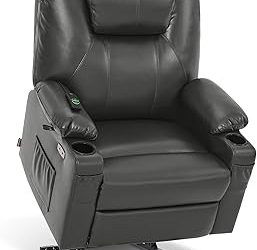
This three-piece set stands out for integrating heated lumbar support and vibration massage motors into both individual chairs and the shared couch — a feature set rarely found at its price tier. The power recline motors operate smoothly with minimal noise, and the reinforced steel mechanism suggests reliable long-term cycling. For anyone prioritizing therapeutic recovery alongside daily lounging, this set delivers genuine ergonomic value.
Genuine Leather Power Recliner Sofa
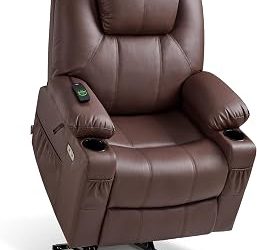
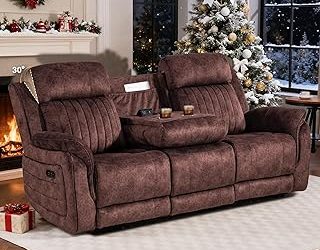
Real top-grain leather over a power-reclining 3-seater is a combination that few competitors attempt at this level of refinement. The embedded USB ports and hidden cup holders integrate cleanly without compromising seat width, and the leather shows excellent resistance to surface wear in high-contact zones like armrest tops. This model rewards buyers who want material authenticity paired with modern convenience.
3-Piece Leather Power Recliner Set with LED Lighting
LED ambient underglow and a center storage console elevate this set beyond pure seating into a home-theater experience. More importantly from a durability standpoint, the power recline mechanism uses independent motors per seat — meaning one failure doesn’t immobilize the entire sofa. The padded headrests maintain consistent neck support across the recline range, reducing the “gap” strain that cheaper models introduce at mid-recline angles.
Dresegmt Loveseat Recliner Sofa
The flip-back middle cushion design is clever engineering: it converts the center seat into a wide armrest or surface, and conceals a storage drawer beneath. For RV owners or anyone working with constrained space, this adaptability solves real problems. The manual mechanism keeps maintenance straightforward, and the breathable blue fabric avoids the heat buildup that plagues faux-leather alternatives in warm climates.
Extra Wide Overstuffed Manual Reclining Sofa
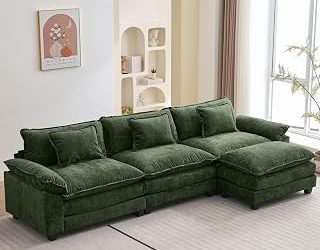
Prioritizing sheer seating depth and padding volume, this overstuffed manual recliner suits larger-framed users or anyone who finds standard seat dimensions confining. The breathable fabric covers dense foam padding that resists bottoming-out even during extended sessions. Without motors or electronics, repair costs stay low and the recline lever mechanism should outlast powered competitors by years of daily use.
Frequently Asked Questions
How long do power recliner motors typically last?
Quality recliner motors are rated for approximately 30,000–40,000 open-close cycles. At daily use, that translates to roughly 8–11 years before motor degradation becomes noticeable. Replacing a single motor typically costs between $40 and $80 in parts.
Is faux leather or genuine leather better for a recliner sofa?
Genuine leather outperforms faux leather in breathability, aging, and long-term durability, but demands periodic conditioning. Faux leather is easier to clean and more budget-friendly but tends to crack under UV exposure and heavy use after three to five years. The best choice depends on your climate and maintenance habits.
Do I need wall-hugger recliners for a small room?
Standard recliners need 6–12 inches of clearance behind the backrest to fully recline. Wall-hugger mechanisms slide the seat forward as the back reclines, requiring as little as 3–4 inches. If your living space is under 200 square feet, a wall-hugger design preserves usable floor area significantly.
Can I repair a manual recliner mechanism myself?
Most manual recliner springs and lever assemblies are bolt-on components that a competent DIYer can swap in under an hour with basic hand tools. Power recliner repairs involve electrical connections and may warrant professional service, particularly if the issue involves the motor or control board.
Final Thoughts
For the best balance of therapeutic features and build quality, the HAOMARKETS 3-Piece Power Recliner Set leads the pack. Buyers prioritizing premium materials should look closely at the Genuine Leather Power Recliner Sofa, while the extra-wide overstuffed model remains the smartest pick for users who value pure comfort simplicity over electronic complexity. Each earns its place by solving a specific problem well rather than chasing features for their own sake.