Key takeaways
- Recline Mechanism Type: Power recliners use a motor-driven track that lets you stop at any angle, which means you can fine-tune lumbar support to your exact spine curve. Manual recliners rely on a lever or pull tab and typically lock into two or three preset positions—simpler, fewer failure points, but less customizable for ergonomic precision.
- Frame Material: Kiln-dried hardwood or steel framing outlasts particleboard and softwood by a wide margin. If the manufacturer won’t specify the frame material, treat that as a red flag. Repeated reclining puts torsional stress on joints that cheap frames simply cannot absorb long-term.
- Foam Density and Seat Depth: Look for high-resilience foam rated above 2.0 lb/ft³ density. Seat depth between 20 and 24 inches accommodates most adult leg lengths without cutting off circulation behind the knees—a detail that determines whether a two-hour movie marathon leaves you comfortable or reaching for the ibuprofen.
- Upholstery Durability: Genuine leather develops a patina and resists cracking better than bonded leather over a decade-plus timeline. High-quality faux leather holds up well for five to eight years with proper care. Fabric options like corduroy resist pilling but can trap allergens more readily.
- Clearance and Placement: Wall-hugger recliners need as little as four inches of clearance behind the backrest, making them ideal for tighter rooms. Standard recliners typically require 12 to 18 inches of wall clearance. Measure before purchasing—there is no ergonomic benefit to a great recliner wedged awkwardly against drywall.
What's inside
Most people shopping for a recliner couch stumble into a familiar trap: they prioritize style and forget about the mechanics that actually determine whether the piece will feel supportive after year three or collapse into squeaky regret by year five. The reclining mechanism, the foam density behind the upholstery, the frame material under all that padding—these invisible details separate a genuinely comfortable seat from an expensive nap that ages badly.
This guide filters the 2026 recliner couch market through an ergonomics-and-durability lens. Rather than chasing trend cycles, we looked at lumbar geometry, seat depth relative to average popliteal height, mechanism ratings, upholstery resilience, and frame construction. The five picks below represent the strongest options across power recliners, manual recliners, wall-hugger designs, and chaise-style loungers you can buy right now.
As an Amazon Associate we earn from qualifying purchases.


How to Choose a Recliner Couch (2026)
- Recline Mechanism Type: Power recliners use a motor-driven track that lets you stop at any angle, which means you can fine-tune lumbar support to your exact spine curve. Manual recliners rely on a lever or pull tab and typically lock into two or three preset positions—simpler, fewer failure points, but less customizable for ergonomic precision.
- Frame Material: Kiln-dried hardwood or steel framing outlasts particleboard and softwood by a wide margin. If the manufacturer won’t specify the frame material, treat that as a red flag. Repeated reclining puts torsional stress on joints that cheap frames simply cannot absorb long-term.
- Foam Density and Seat Depth: Look for high-resilience foam rated above 2.0 lb/ft³ density. Seat depth between 20 and 24 inches accommodates most adult leg lengths without cutting off circulation behind the knees—a detail that determines whether a two-hour movie marathon leaves you comfortable or reaching for the ibuprofen.
- Upholstery Durability: Genuine leather develops a patina and resists cracking better than bonded leather over a decade-plus timeline. High-quality faux leather holds up well for five to eight years with proper care. Fabric options like corduroy resist pilling but can trap allergens more readily.
- Clearance and Placement: Wall-hugger recliners need as little as four inches of clearance behind the backrest, making them ideal for tighter rooms. Standard recliners typically require 12 to 18 inches of wall clearance. Measure before purchasing—there is no ergonomic benefit to a great recliner wedged awkwardly against drywall.
The Best Recliner Couch (2026)s Reviewed
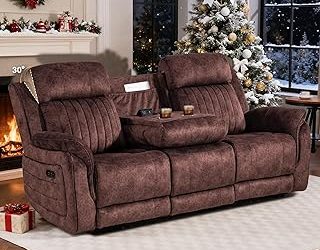
Genuine Leather Power Recliner Sofa (3-Seater)
This three-seater combines genuine leather with an electric reclining system that lets each occupant independently adjust their angle—a meaningful ergonomic advantage in shared seating. The concealed cup holders and USB port add practical daily utility without cluttering the arm profile. Frame rigidity across the three-seat span holds up well under simultaneous recline, which is where cheaper multi-seat power sofas tend to flex and creak.
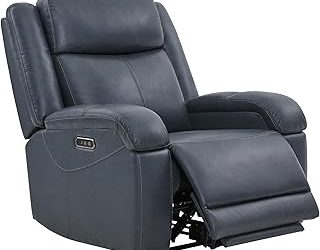
Watson & Whitely Wall Hugger Power Reclining Sofa
The wall-hugger design needs only about four inches of rear clearance, solving the spatial problem that sidelines most power recliners in smaller living rooms. Adjustable power headrests are a genuine orthopedic feature here—they let you bring your cervical spine into neutral alignment for reading or screen viewing rather than craning forward. Dual USB and Type-C ports cover modern charging needs, and the navy genuine leather resists UV fading better than many competing colorways.
Leather Manual Recliner Chair (Classic)
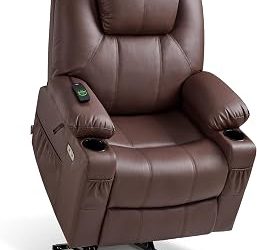
For buyers who want mechanical simplicity with long-term reliability, this overstuffed manual recliner delivers a time-tested lever mechanism with no motor or electrical components to fail. The concealed cup holders sit flush within the armrest, preserving a clean silhouette while keeping drinks stable. Nut brown leather paired with deep seat cushioning makes this an ideal reading chair where consistent lumbar support matters more than infinite recline positions.
50-Inch Oversized Corduroy Chaise Lounge
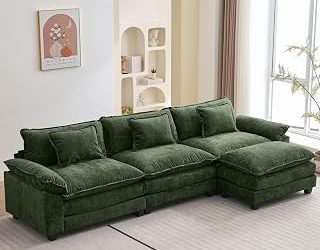
This boneless chaise takes a different ergonomic approach: rather than a mechanical recline, the continuous sloped surface distributes body weight evenly across the full seat length, reducing pressure points on the sacrum and thighs. The corduroy upholstery provides natural texture grip that keeps you anchored during extended reading sessions. No assembly and no mechanism means zero moving parts to maintain, though the fixed angle limits versatility for upright sitting.
Electric Power Recliner Chair (Home Theater)
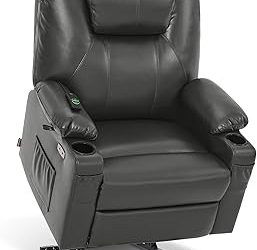
Breathable leather solves the heat buildup problem that plagues many theater-style recliners during long sessions. Hidden arm storage compartments keep remotes and accessories accessible without sacrificing armrest width. The integrated cup holders and USB ports round out a package built specifically for extended seated use, where thermal comfort and peripheral convenience directly affect how long you stay comfortable.
Frequently Asked Questions
What is the most durable type of recliner couch?
Power recliners with hardwood or steel frames and genuine leather upholstery consistently demonstrate the longest service life, often exceeding ten to twelve years with normal use. The motorized mechanism does introduce an eventual failure point, but quality motors are rated for tens of thousands of cycles—well beyond what most households will demand.
Are wall-hugger recliners as comfortable as standard recliners?
Modern wall-hugger recliners offer comparable recline depth and ergonomic support to standard models. The track-and-glide mechanism simply shifts the seat forward as the back reclines, requiring less rear clearance. In some cases the headrest adjustability on wall-hugger models actually provides better cervical support than many standard recliners lack entirely.
Can a recliner couch help with back pain?
A recliner positioned at roughly 110 to 130 degrees of recline reduces lumbar disc pressure compared to upright 90-degree seating. The key is adjustable recline angles that let you find your specific neutral position rather than being locked into a single preset. Power recliners with adjustable headrests offer the best fine-tuning for individuals managing chronic back discomfort.
Is genuine leather worth the price premium over faux leather?
Over a ten-year horizon, genuine leather typically proves more economical per year of use. It develops a natural patina rather than peeling, breathes better to reduce sweat accumulation, and resists the surface cracking that degrades faux leather after five to seven years. For households prioritizing longevity over upfront cost, genuine leather is the durable choice.
Final Thoughts
From an ergonomics-and-durability standpoint, the Watson & Whitely Wall Hugger stands out as the best overall pick for most living rooms thanks to its adjustable headrests, space-efficient design, and robust genuine leather build. The Genuine Leather Power Recliner Sofa earns top marks for households needing a true multi-person recliner with independent adjustment. And for anyone who values mechanical simplicity and minimal maintenance, the classic manual Leather Recliner Chair remains an exceptionally reliable choice that will outlast trendier alternatives with far less fuss.