Key takeaways
- Reclining Mechanism Type: Power mechanisms deliver smoother, more consistent recline angles and put less sudden torque on the frame over time. Manual levers are simpler and cheaper to repair, but spring-tension systems can weaken unevenly after a few years of heavy use. If you share the sofa with someone who adjusts positions frequently, power wins on long-term frame longevity.
- Frame and Joint Construction: Kiln-dried hardwood frames resist warping far better than engineered particle board. Look for reinforced corner blocks and metal-to-metal joint fasteners — these are the difference between a sofa that still feels solid at year seven and one that starts creaking by year two.
- Foam Density and Cushion Recovery: High-resilience foam (1.8 lb/ft³ or above) bounces back after thousands of sit cycles. Lower-density fill compresses into permanent divots, especially in the seat well where most body weight concentrates. Gel-infused and layered foam cores hold shape longer under sustained pressure.
- Upholstery Material and Wear Rating: Genuine top-grain leather develops a patina and resists punctures; bonded and PU options look sharp initially but can peel under friction stress. Breathable fabric alternatives score well for comfort in warm climates but demand more maintenance to resist staining. Match the surface to how your household actually lives.
- Ergonomic Adjustability: Adjustable headrests and lumbar support are not luxury add-ons — they are structural health features. A wall-hugger design also matters if your recliner sits close to a wall, preserving full recline without scuffing or requiring extra clearance behind the sofa.
What's inside
Shopping for a reclining sofa is a bit like choosing a running shoe — the spec sheet looks impressive in every listing, but what actually matters is how the thing holds up under years of daily use and whether your spine thanks you or punishes you come morning. Bad lumbar geometry and thin-gauge reclining mechanisms are the silent dealbreakers, and most online buyers never discover them until the warranty’s already a memory.
This 2026 roundup approaches reclining sofas the way a materials engineer would: frame construction, foam density, upholstery integrity, and mechanism durability all get equal billing with comfort. We pulled together the highest-rated options across genuine leather, bonded leather, PU, and premium faux surfaces so you can match both your body and your budget without guessing.
As an Amazon Associate we earn from qualifying purchases.


How to Choose a Rated Reclining Sofa (2026)
- Reclining Mechanism Type: Power mechanisms deliver smoother, more consistent recline angles and put less sudden torque on the frame over time. Manual levers are simpler and cheaper to repair, but spring-tension systems can weaken unevenly after a few years of heavy use. If you share the sofa with someone who adjusts positions frequently, power wins on long-term frame longevity.
- Frame and Joint Construction: Kiln-dried hardwood frames resist warping far better than engineered particle board. Look for reinforced corner blocks and metal-to-metal joint fasteners — these are the difference between a sofa that still feels solid at year seven and one that starts creaking by year two.
- Foam Density and Cushion Recovery: High-resilience foam (1.8 lb/ft³ or above) bounces back after thousands of sit cycles. Lower-density fill compresses into permanent divots, especially in the seat well where most body weight concentrates. Gel-infused and layered foam cores hold shape longer under sustained pressure.
- Upholstery Material and Wear Rating: Genuine top-grain leather develops a patina and resists punctures; bonded and PU options look sharp initially but can peel under friction stress. Breathable fabric alternatives score well for comfort in warm climates but demand more maintenance to resist staining. Match the surface to how your household actually lives.
- Ergonomic Adjustability: Adjustable headrests and lumbar support are not luxury add-ons — they are structural health features. A wall-hugger design also matters if your recliner sits close to a wall, preserving full recline without scuffing or requiring extra clearance behind the sofa.
The Best Rated Reclining Sofa (2026)s Reviewed
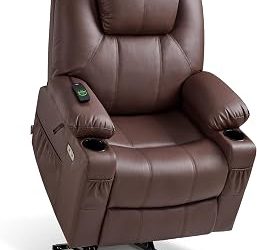
Ashley Boyington Power Reclining Sofa
The Boyington packs an uncommonly complete feature set into a mid-range price bracket: heated seats, air-driven massage zones, a zero-gravity recline position, and a flip-down table surface. The leather-and-faux-leather hybrid upholstery is a smart durability compromise — genuine leather where hands and arms make constant contact, faux panels where they do not. Frame rigidity under the dual-power motors feels planted and confidence-inspiring.
Extra Wide Modern Overstuffed Manual Recliner
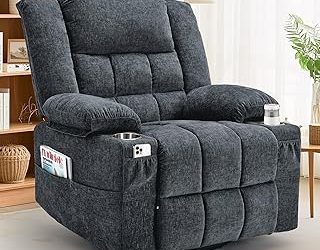
Budget-conscious buyers who prioritize plush seating depth will find a lot to appreciate here. The breathable soft-fabric cover resists heat buildup during long sessions, and the overstuffed padding uses multi-layer fill that resists bottoming out. The manual pull mechanism is straightforward and unlikely to require servicing, though the wider seat spacing means individual recline zones are fixed.
Watson & Whitely Genuine Leather Wall Hugger
Genuine leather at this price point is rare, and Watson & Whitely pairs it with a wall-hugger footprint that needs barely eight inches of rear clearance. Adjustable power headrests and dual USB/Type-C ports add genuine daily-use value rather than gimmick appeal. The stitching and hide finish suggest above-average resistance to cracking and surface fatigue.
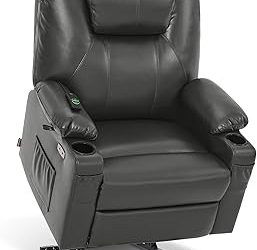
Genuine Leather Power Recliner with Hidden Cup Holders
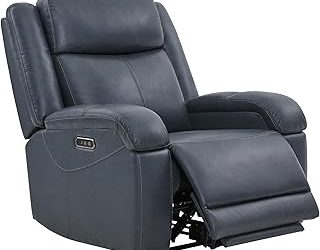
This model earns its keep with a clean modern silhouette, comfortable arm and back contours, and discreet pop-up cup holders that vanish when not in use. The USB charging port is positioned for easy reach, and the power recline operates with notably low motor noise. Build quality leans solid without the bulk that makes some leather recliners feel like permanent room fixtures.
Reclining Sofa with Lift Console and Hidden Storage
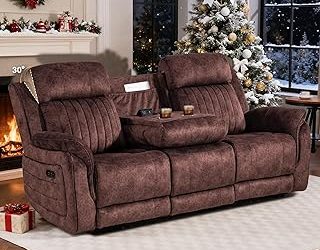
Designed with both living rooms and RVs in mind, this unit features a removable armrest with integrated USB, hidden storage compartments, and a lift console that doubles as an armrest divider. The PU leather surface wipes clean easily, and the compact mechanism footprint makes it viable in tighter floor plans where a standard recliner would collide with a wall or side table.
Frequently Asked Questions
How long should a reclining sofa last with daily use?
A well-built reclining sofa with a solid hardwood frame and quality mechanism should deliver seven to twelve years of reliable daily service. Power motors typically outlast manual springs in high-use scenarios because they distribute mechanical stress more evenly across the travel path.
Is genuine leather worth the premium over PU or bonded leather?
For durability, yes — top-grain leather resists punctures, develops a natural patina, and can be conditioned to extend its lifespan well beyond synthetics. PU and bonded options look comparable when new but are prone to surface peeling after sustained friction, particularly in high-traffic seat zones.
What recline clearance do I need behind the sofa?
Standard recliners typically require 12 to 18 inches of clearance from the wall for full extension. Wall-hugger designs like the Watson & Whitely reduce that to around eight inches, making them practical for apartments and tighter living arrangements.
Are heated seats and massage features worth choosing over a simpler model?
Heated seat elements and air-driven massage modules add weight and complexity, but they also reduce the need for separate heating pads and massage devices. From a durability standpoint, fewer loose accessories on the sofa surface means less incidental wear on the upholstery over time.
Final Thoughts
For buyers who want a full-featured power recliner with genuine ergonomic depth, the Ashley Boyington stands out as the most complete package. If premium materials and a space-saving wall-hugger design are non-negotiable, the Watson & Whitely Genuine Leather delivers real hide quality at a compelling value. And for those who need versatile, compact storage-friendly seating — whether in a living room, RV, or secondary space — the Reclining Sofa with Lift Console earns a strong recommendation on practicality alone.