Our Top Picks
A smart home hub is the least glamorous gadget in a connected house and often the one that decides whether everything else works. Lights, sensors, plugs, and locks speak different wireless languages, and a hub translates between them, keeps routines running if the internet drops, and gives you one place to manage devices. The question behind the best smart home hub under 150 dollars is not which box looks nicest, but which protocols your devices actually use and which assistant you want in charge.
This guide is for people who have outgrown a few Wi-Fi plugs and want a more reliable foundation, as well as beginners planning a first Zigbee or Matter setup. At this budget tier you can buy a capable Matter-ready hub with Zigbee, but you cannot expect it to speak every standard under the sun. One listing here is a power strip rather than a hub, included to show the hub-free route. In 2026, Matter support is common in titles, yet the details behind that label vary, so verify the protocols you need on each listing. All judgments come from the listed specs only.
Quick Picks

Aqara Smart Home Hub M3 for Advanced Automation, Matter Controller, IR | Thread Border Router, Features Zigbee, Bluetooth, Wi-Fi, PoE, Supports Apple HomeKit, Alexa, SmartThings, Home Assistant
One of the home & furniture options compared in this guide.
View on Amazon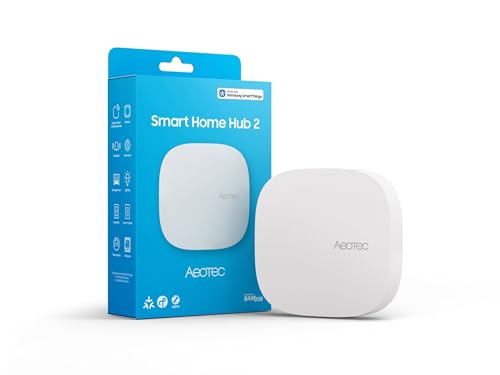
Aeotec Smart Home Hub2 - V4, Works as a SmartThings Hub, Zigbee, Matter Gateway, Compatible with Alexa, Google Assistant, WiFi (No Z-Wave)
One of the home & furniture options compared in this guide.
View on Amazon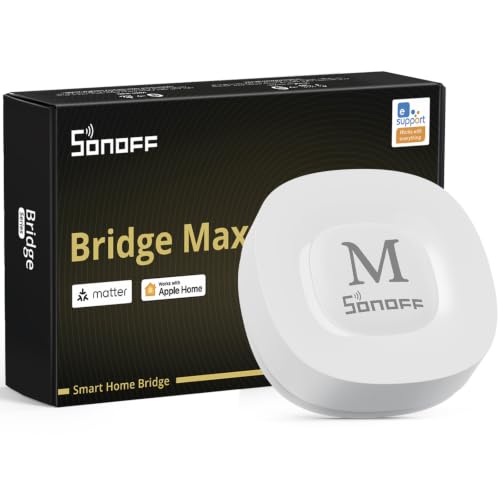
SONOFF Bridge Max Smart Home Hub (Bridge-M) | Matter Bridge & Zigbee Gateway for Apple Home, Alexa, Google Home, and Home Assistant, RJ45 Ethernet & Wi-Fi, Local Control
One of the home & furniture options compared in this guide.
View on Amazon
Tapo Smart IR & IoT Hub w/ Chime, Matter-Certified, H110, Universal Remote | For TVs, ACS & 18+ Device Types, Supports 8,000+ Infrared Brands, Voice & App Control, Custom Schedules & Automations
One of the home & furniture options compared in this guide.
View on Amazon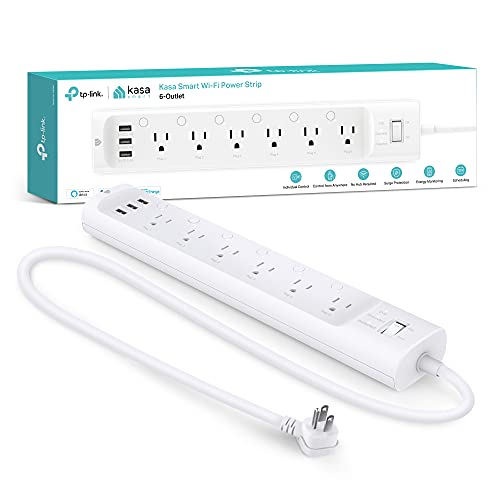
Kasa Smart Plug Power Strip HS300, Smart Outlet, No Hub Required | Surge Protector with 6 Individually Controlled Smart Outlets and 3 USB Ports, Works with Alexa & Google Home, White
One of the mattress protector options compared in this guide.
View on Amazon| Product | Best for | Key spec from the title |
|---|---|---|
| Aqara Smart Home Hub M3 | Advanced automation with many protocols | Matter controller, Thread border router, Zigbee, IR, PoE |
| Aeotec Smart Home Hub2 V4 | SmartThings households | Zigbee, Matter gateway, no Z-Wave |
| SONOFF Bridge Max | Home Assistant and Zigbee fans | Matter bridge, Zigbee gateway, RJ45 Ethernet |
| Tapo Smart IR and IoT Hub H110 | Controlling TVs and air conditioners | Matter-certified, universal remote, 8,000+ IR brands |
| Kasa Smart Plug Power Strip HS300 | Hub-free outlet control | 6 smart outlets, 3 USB ports, no hub required |
How to Choose
List your devices and their protocols
Before you shop, write down what you own or plan to buy. Zigbee covers many bulbs, sensors, and buttons, and it forms a low-power mesh. Thread and Matter are newer standards designed to work across ecosystems. Z-Wave is a separate protocol that requires its own radio; a hub that states no Z-Wave cannot control those devices. Infrared handles older televisions and air conditioners that have no network features at all, and a hub with an infrared blaster can bring those into the same app as your lamps and sensors. A hub is only useful if its radios match the gear on your shopping list, so check protocols before you check looks.
Ecosystem and local control
Some hubs lean toward one assistant, such as SmartThings, Apple Home, Alexa, or Google Home. Others aim to be neutral and let several ecosystems share devices through Matter. Local control matters: a hub that runs automations on its own keeps lights and sensors working during an internet outage. Cloud-only logic means a dead connection stops your morning routine. If you plan to use Home Assistant, look for a bridge that exposes devices openly, and verify what the title says about integration.
Wired or wireless connection
Ethernet or PoE connection gives a hub a stable link to the router and can simplify placement in a closet or hallway. Wi-Fi-only hubs offer easy placement but depend on the strength of your wireless signal. Power over Ethernet is a convenience when the hub sits far from an outlet. Think about where the hub will live, because Zigbee and Thread radios work best near the center of the home, not in a basement corner behind a router. If your house has thick walls or several floors, plan on a second Zigbee repeater, such as a mains-powered plug, rather than expecting one hub to reach everywhere without help.
Capacity, updates, and long-term support
Listings seldom state how many devices a hub supports, so check for notes on mesh size and the number of child devices. A Matter controller that receives firmware updates will keep working with new accessories, while an abandoned product will not. Prefer brands with an active app and a history of updates. A hub that can also act as a Thread border router adds future-proofing, because many new sensors and locks are moving toward that standard. Finally, check whether the companion app is available for both phone platforms in your household, since a hub that only one family member can manage quickly becomes a source of friction.
The 5 Best Options
Aqara Smart Home Hub M3
Aqara markets the M3 for advanced automation, with a Matter controller, a Thread border router, Zigbee, Bluetooth, Wi-Fi, PoE, and infrared support, and compatibility with Apple Home. It is the most feature-packed listing here and aims at people who want one box to control a growing collection of sensors, switches, and blinds. The infrared blaster handles legacy remotes. Imagine a motion sensor in the hallway turning on lamps, a door sensor pausing the thermostat, and a remote-free television in the same scene: that kind of cross-device routine is what the extra radios exist to support.
- Strength: Matter controller, Thread border router, and Zigbee in one hub.
- Strength: PoE and infrared extend placement options and device coverage.
- Trade-off: a long feature list means more to set up than a basic hub.
Skip it if you only need a bridge for one or two accessories.
Aeotec Smart Home Hub2 V4
Aeotec’s hub works as a SmartThings hub, with Zigbee and a Matter gateway, and compatibility with Alexa and Google Assistant over WiFi. The title is clear that it does not include Z-Wave, which matters to anyone with older Z-Wave locks or sensors. It is a good choice for people already invested in the SmartThings app who want local automation without a heavy learning curve. Households mixing Samsung appliances with third-party sensors often find the SmartThings app a comfortable home base. Automations such as turning on hallway lights at sunset or running a goodnight scene can be built from the app, and the Matter gateway role means newer accessories can join without waiting for a dedicated integration.
- Strength: SmartThings compatibility with Zigbee and a Matter gateway.
- Strength: works with Alexa and Google Assistant for voice control.
- Trade-off: no Z-Wave radio, so older Z-Wave devices will not connect.
Skip it if you own Z-Wave gear and want to keep it.
SONOFF Bridge Max
SONOFF positions the Bridge Max as a Matter bridge and Zigbee gateway for Apple Home, Alexa, Google Home, and Home Assistant, with RJ45 Ethernet and Wi-Fi. This is the enthusiast pick for people who like to tinker. A wired connection and open ecosystem support make it a sensible base for a Home Assistant setup, and the Matter bridge can share devices across assistants. It is less polished than a big-brand app, but gives flexible control for those willing to read documentation. A garage workshop or a spare-room server shelf with a network cable already in the wall is the ideal home for it, and Zigbee sensors scattered through the house can report back through the same box.
- Strength: Matter bridge and Zigbee gateway with Home Assistant support.
- Strength: RJ45 Ethernet gives a stable wired connection.
- Trade-off: aimed at tinkerers, so beginners may find the setup less guided.
Skip it if you want a plug-and-play experience from a mainstream app.
Tapo Smart IR and IoT Hub H110
TP-Link’s H110 is a Matter-certified hub with a chime that doubles as a universal remote, supporting televisions, air conditioners, and more than eighteen device types, with support for over 8,000 infrared brands. It suits a living room where you want one app to replace a drawer of remotes and to tie in Tapo sensors, which use a low-power protocol. As a lighter-weight hub, it fits beginners who want to automate the TV and air conditioner before expanding to a larger ecosystem. A bedroom air conditioner that switches off at midnight, or a television that powers down when the family leaves, are exactly the everyday routines this kind of hub handles without extra wiring.
- Strength: universal infrared control for televisions and air conditioners.
- Strength: Matter-certified, with a chime and voice support.
- Trade-off: focused on infrared and Tapo devices, not a broad Zigbee platform.
Skip it if you want to connect many third-party Zigbee devices.
Kasa Smart Plug Power Strip HS300
This one is not a hub. The title says no hub required, and it is a surge protector with six individually controlled smart outlets and three USB ports. It is included here as the hub-free route for anyone who only needs to switch lamps, a fan, or a desk setup on a schedule and does not want another box. Each outlet can be controlled separately from the app, which suits a home office or entertainment center where several devices share one location. A student desk with a lamp, a monitor, a charger, and a fan is a typical case: each outlet can have its own schedule, so the fan stops at night while the charger keeps going.
- Strength: six individually controlled outlets plus three USB ports.
- Strength: no hub required, so setup stays simple.
- Trade-off: it controls power only and cannot bridge sensors or locks.
Skip it if you want to connect Zigbee sensors or build multi-device routines.
Which One Fits Your Situation
You want one box to run everything
The Aqara Smart Home Hub M3 combines a Matter controller, a Thread border router, Zigbee, and infrared, which covers the widest range of devices in this guide.
You use SmartThings already
The Aeotec Smart Home Hub2 V4 is the natural fit. Just keep in mind that it does not support Z-Wave.
You enjoy tinkering with Home Assistant
The SONOFF Bridge Max offers Ethernet and an open ecosystem, which suits people who prefer control over polish.
You mostly need to control a TV and air conditioner
The Tapo Smart IR and IoT Hub H110 turns your phone into a universal remote with a large infrared brand library. If you only need to power-schedule a few devices, the Kasa power strip handles that without a hub.
Common Mistakes
- Buying a hub before listing which protocols your devices actually use.
- Assuming Matter support means every feature of every device will work.
- Placing the hub in a corner or behind a TV, which weakens the wireless mesh.
- Ignoring local control and then losing automations during an internet outage.
- Mixing too many ecosystems and ending up with several apps for the same lights.
Related guides
- Chairs With Adjustable Lumbar Support
- Dehumidifier For Condensation On Windows
- Desk Cable Management Kit Under $75
Frequently Asked Questions
Do I need a hub if my devices use Wi-Fi?
Not necessarily. Wi-Fi devices connect to your router directly. A hub helps once you add Zigbee or Thread devices, want local automations, or need an infrared blaster.
What is Matter, in plain terms?
It is a shared standard that lets devices from different brands work with several assistants. It reduces lock-in, but support still varies by device type and brand.
Can a hub work without the internet?
Many can run local automations when the connection drops, but voice commands and remote access usually depend on the cloud. Check what each listing says about local control, and test one routine by unplugging the router for a minute after setup so you know what actually survives an outage.
Where should I put the hub?
Choose a central, open spot away from large metal objects and other routers. A clear position improves Zigbee and Thread range throughout the home. If a device drops offline after you move the hub, re-pair the nearest mains-powered accessory first, since it often acts as the relay for the rest.
More from Amazon
Programs that pair well with the guide above. Offers and eligibility are set by Amazon and may change.
Collect the home and kitchen items you want in one registry that guests can shop from.
Create a wedding registrySet up recurring deliveries of everyday items on eligible products. Terms and savings are set by Amazon.
Explore Subscribe & SaveFree shipping on eligible items, Prime Video and more. Eligible new members can start with a free trial.
Start a Prime free trialAudiobooks and podcasts to listen to on the go. Eligible new members can start with a free trial.
Try Audible freeAs an Amazon Associate we earn from qualifying purchases.