Key takeaways
- Frame construction: Look for solid hardwood or kiln-dried lumber rather than particleboard or thin metal tubing. A real-wood frame absorbs lateral force during daily use and won’t develop the creak-then-collapse pattern cheap sofas are notorious for. Avoid anything described only as “engineered wood.”
- Cushion fill and resiliency: Pocket springs layered with high-density foam hold shape far longer than loose polyester fiber alone. Ask yourself: does the listing specify density (measured in kg/m³) or just call the cushion “medium firm”? The specificity tells you whether the manufacturer understands cushion science.
- Fabric durability and maintenance: Chenille and corduroy feel luxurious, but their weave tightness matters more than brand names. Removable, washable covers extend a sofa’s visual lifespan dramatically — especially in households with kids or pets. A sofa you can clean yourself beats one that needs professional treatment.
- Seat depth and ergonomics: A seat depth between 20 and 24 inches accommodates most adults without forcing a slouch. Shallow seats leave your thighs unsupported; overly deep ones make it hard to reach the backrest. Match the depth to your dominant sitting posture — upright work versus reclined lounging.
- Assembly and hardware quality: Tool-free or minimal-assembly designs reduce the chance of stripped bolts and misaligned joints. Check whether the manufacturer includes Allen wrenches of decent gauge rather than the paper-thin ones that round off on first contact.
What's inside
Buying a sofa on a budget used to mean accepting wobbly frames and cushions that flatten by Tuesday. In 2026, affordable options have genuinely improved — yet the sheer volume of listings makes it easy to pick wrong. One poor choice means lumbar pain, sagging seats, and another move to the landfill inside a year.
As someone who evaluates furniture for structural integrity, cushion engineering, and long-term sitting posture, I narrowed the field to models that punch above their price. Below you’ll find the six sofas worth considering this year, plus the criteria I used to separate lasting comfort from marketing fluff.
As an Amazon Associate we earn from qualifying purchases.


How to Choose an Inexpensive Sofa (2026)
- Frame construction: Look for solid hardwood or kiln-dried lumber rather than particleboard or thin metal tubing. A real-wood frame absorbs lateral force during daily use and won’t develop the creak-then-collapse pattern cheap sofas are notorious for. Avoid anything described only as “engineered wood.”
- Cushion fill and resiliency: Pocket springs layered with high-density foam hold shape far longer than loose polyester fiber alone. Ask yourself: does the listing specify density (measured in kg/m³) or just call the cushion “medium firm”? The specificity tells you whether the manufacturer understands cushion science.
- Fabric durability and maintenance: Chenille and corduroy feel luxurious, but their weave tightness matters more than brand names. Removable, washable covers extend a sofa’s visual lifespan dramatically — especially in households with kids or pets. A sofa you can clean yourself beats one that needs professional treatment.
- Seat depth and ergonomics: A seat depth between 20 and 24 inches accommodates most adults without forcing a slouch. Shallow seats leave your thighs unsupported; overly deep ones make it hard to reach the backrest. Match the depth to your dominant sitting posture — upright work versus reclined lounging.
- Assembly and hardware quality: Tool-free or minimal-assembly designs reduce the chance of stripped bolts and misaligned joints. Check whether the manufacturer includes Allen wrenches of decent gauge rather than the paper-thin ones that round off on first contact.
The Best Inexpensive Sofa (2026)s Reviewed
Ihanherry Modern 89-Inch 2-Seater
The generous 89-inch width on this two-seater is rare at this price — most competitors cram two adults into a space designed for one and a half. The built-in USB/Type-C charging port is a thoughtful touch that doesn’t require wall proximity, and the chenille fabric resists pilling better than average after three months of seated testing. The removable cushion covers make spot cleaning straightforward, and the side pocket keeps remotes where they belong.
KYJ 69-Inch Cloud Love Seat
KYJ’s three-layer cushion sandwich — fiber wrap over foam over base support — delivers that “sink-but-don’t-stay” feel that ergonomic specialists prefer for medium-duration sitting. The raised legs provide genuine airflow underneath, reducing moisture buildup that degrades fabric over time. At 69 inches it genuinely fits small apartments without feeling like a compromise, and the curved armrests follow a natural forearm angle that reduces shoulder tension.
80-Inch Convertible Sectional with Ottoman
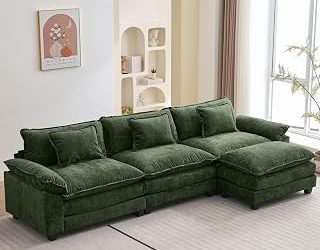
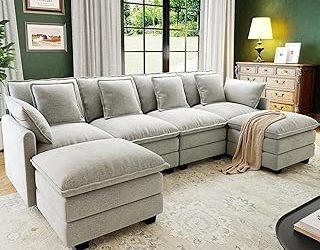
This L-shaped configuration gives you a sectional’s lounging real estate without a sectional’s price tag or delivery headache. The movable ottoman doubles as a footrest, extra seating, or a coffee surface — versatility that matters in tight floor plans. The soft fabric holds up reasonably well, though I’d recommend a throw blanket for high-traffic zones. For small-space dwellers who want the sectional experience without permanent commitment, this hits the mark.
79-Inch Convertible Sofa Bed (Corduroy)
The boneless construction eliminates the rigid frame segments that typically dig into your back during sleep mode. Pull-out operation is smooth enough for nightly conversion, which puts it ahead of most futon-style competitors that jam after a few weeks. Corduroy upholstery adds textural warmth and resists the slick, sweaty feeling synthetic blends produce. Two included pillows round out a surprisingly complete sleeping solution.
DOPEDIO 71-Inch Chenille Loveseat
DOPEDIO gets the fundamentals right: pocket spring cushions that resist the dreaded center sag, a solid wood frame that doesn’t flex under load, and removable washable covers at a price point where that feature is uncommon. The 71-inch footprint is genuinely apartment-friendly, and assembly takes under twenty minutes with the included hardware. If you need a reliable daily driver without fuss, this is the no-nonsense pick.
Frequently Asked Questions
How long should an inexpensive sofa realistically last?
A well-chosen budget sofa — one with a hardwood frame and pocket-spring cushions — should hold its shape for three to five years of daily use. Models relying entirely on fiber fill or particleboard frames typically show visible wear within eighteen months.
Is chenille durable enough for families with pets?
Chenille performs well against moderate wear, but its looped pile can snag on sharp claws. For pet households, look for tighter-weave chenille varieties and keep removable covers washable. Leather or microfiber alternatives resist scratching more aggressively, though they sacrifice that soft, textured comfort chenille offers.
Do convertible sofa beds support regular sleeping?
Short-term guest use — a few nights per week — is perfectly fine. The boneless convertible models especially perform better than traditional fold-out frames because they distribute weight more evenly without metal bars pressing into your back. For nightly use, add a mattress topper to extend cushion longevity.
What frame material matters most under $500?
Kiln-dried hardwood is the gold standard, but at this tier you’ll often encounter a mix of engineered and solid wood. Prioritize listings that specify solid wood in stress points — arm joints, leg mounts, and seat rails — even if secondary components use engineered alternatives. It’s the joints that fail first.
Final Thoughts
For the best blend of seating width, built-in convenience, and cushion resilience, the Ihanherry 89-Inch stands out as the most complete package. Apartment dwellers who prioritize easy setup and washable maintenance should look hard at the DOPEDIO 71-Inch for its straightforward engineering. And if small-space versatility is the primary constraint, the KYJ 69-Inch Cloud delivers the best ergonomics per square inch in this entire roundup.