Our Top Picks
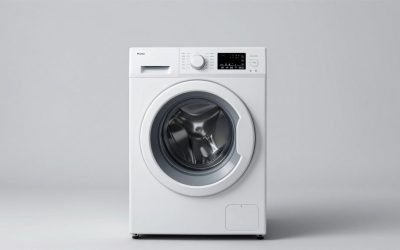
 Hamilton Beach 2.65 Cu Ft All-In-One Apartment Size2.7 cu ft23.1 x 23.4 x 33.5 inches166.2 PoundsCheck on Amazon
 Auertech Portable Washer and Dryer Combo Set2.6 cu.ft + 28 lbs23 x 36 x 23 inches62 PoundsCheck on Amazon
The best washer and dryer on the market, in one paragraph
For most households shopping in 2026, the best washer and dryer on the market is a 4.5–5.5 cu ft front-load washer paired with a matching vented electric dryer, sold as a set for roughly $1,400–$2,400. That pairing wins on the criteria that actually matter over a ten-year ownership window: it uses 13–16 gallons of water per normal cycle instead of 25–40, spins at 1,200–1,400 RPM so clothes arrive at the dryer already partly dewatered, runs at 48–54 dB during the wash phase, and fits a standard 27-inch-wide laundry alcove. The best pick changes the moment your situation changes: a Speed Queen top-load pair (roughly $2,200–$3,000) is the answer if you want mechanical simplicity and a 15–25 year service life; a heat-pump ventless pair (roughly $2,000–$3,200) is the answer if you have no exterior wall to vent through; a 24-inch compact pair (roughly $1,600–$2,600) is the answer for apartments, closets, and boats; and a ventless all-in-one combo (roughly $1,800–$3,000) is the answer when you only have room for one machine. Everything below explains how those numbers were arrived at, then walks through each type in detail.
Why the front-load pair keeps winning — and where it loses
Front-loaders dominate for three structural reasons, none of which are marketing claims. First, they tumble clothes through a shallow pool of water rather than dragging them through a full drum of it, which is why water use drops by 50–70 percent. Second, the horizontal axis allows a much higher spin speed without walking the machine across the floor, and spin speed is the single biggest lever on dryer energy use — a load that leaves the washer at 1,300 RPM needs roughly 25–35 minutes in a vented electric dryer, while the same load out of a top-load agitator at 700 RPM needs 50–70 minutes. Third, the drum volume per square foot of floor space is higher, so you get 5.0 cu ft in the same 27-inch footprint where a top-loader gives you 4.2.
Hamilton Beach 2.65 Cu Ft All-In-One Apartment Size Washer and Dryer Combo
Picked as a relevant option in this category.
View on Amazon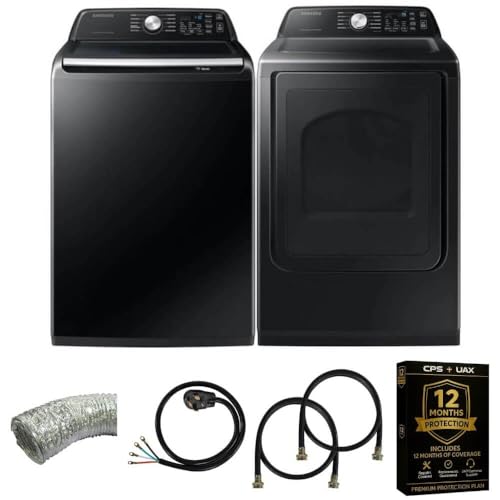
Samsung Smart 4.7 Cu Ft Top Load Washer & 7.4 Cu Ft Electric Dryer, Sensor Stops Overdrying, Low Vibration Quiet Wash, WaterJet w/Power Cords, Hoses, Vent Duct, 1 Year CPS Protection Bundle (Black)
Chosen because it specifies Sensor Stops Overdrying and Low Vibration Quiet Wash.
View on Amazon
Pataku Portable Washing Machine, 25.3 Lbs Compact Mini Washer and Dryer Combo,Twin Tub Laundry Washer with Spin Cycle, Soaking Function Ideal for Apartment, Dorms, RVs Camping, Grey
Chosen because it specifies 25.3 Lbs Compact Mini Washer and Dryer Combo and Twin Tub Laundry Washer with Spin Cycle.
View on AmazonAuertech Portable Washer and Dryer Combo Set, 28 lbs Fully Automatic Washing Machine with Stainless Steel Inner Tub, 2.6 Cu.Ft Portable Dryers, Compact Washer and Dryer for Apartment, RV, Dorm
Chosen because it specifies 2.6 Cu.Ft Portable Dryers and Compact Washer and Dryer for Apartment.
View on AmazonWhere front-loaders lose is real and worth naming. They cost $200–$500 more per pair than comparable top-loaders. They require a door swing of roughly 20–24 inches in front of the machine, which rules out some narrow galley laundry closets. They need a drain standpipe or a laundry tub within hose reach, and they need the door left ajar between cycles or the gasket grows mildew. And their door gasket is the part most likely to need replacement in years 6–10, typically a $120–$260 repair including labor. If any of those constraints bites, a top-load impeller machine is the better buy, not a compromise.
The numbers that decide the purchase
Capacity: match cubic feet to your actual weekly pile
Capacity in cubic feet is measured to the drum rim and is not the same as usable capacity. As a working rule, usable volume is roughly 75–80 percent of rated volume, because you need free air space for clothes to tumble. That matters most with comforters: a 5.0 cu ft front-loader handles a king comforter, a 4.5 cu ft front-loader handles a queen, and a 4.2 cu ft top-load agitator machine will technically swallow a king comforter but will not clean or rinse it properly.
| Rated capacity | Realistic dry-load weight | What fits in one load | Household size | Typical price band (pair) |
|---|---|---|---|---|
| 3.5–4.0 cu ft (top-load agitator) | 12–16 lb | 8–10 bath towels; no king bedding | 1–2 people, light use | $900–$1,400 |
| 4.2–4.5 cu ft (top-load impeller) | 16–20 lb | 12–14 towels; queen comforter | 2–3 people | $1,100–$1,700 |
| 4.5 cu ft (front-load) | 18–22 lb | 16–20 towels; queen comforter | 2–4 people | $1,300–$2,000 |
| 5.0 cu ft (front-load) | 22–26 lb | 20–24 towels; king comforter | 4–5 people | $1,500–$2,300 |
| 5.5 cu ft (front-load, mega) | 26–30 lb | 26–30 towels; king comforter plus bedding | 5+ people, or bulky items | $1,700–$2,600 |
| 2.0–2.4 cu ft (24-inch compact) | 8–11 lb | 6–8 towels; no comforter | 1–2 people, small space | $1,600–$2,600 |
One caution on mega-capacity machines: above about 5.2 cu ft, a full drum of heavy items can exceed what a residential floor or a pedestal drawer is rated for. Pedestal drawers are typically rated 40–50 lb of stored contents, not 50 lb of detergent — people overload them with bottled detergent and then wonder why the slides fail.
Dimensions: the measurements nobody puts on the spec sheet
The standard full-size footprint is 27 inches wide by 30–32 inches deep by 38–39 inches high, and the dryer is almost always the same width and height so it can be stacked or placed side by side with a leveling alignment. Compact machines are 24 inches wide by 24–26 inches deep by 33–34 inches high. Stacked height with a stacking kit runs 76–78 inches, which is taller than many basement bulkheads and closet headers.
| Measurement | Full-size (27 in) | Compact (24 in) | Why it matters |
|---|---|---|---|
| Machine width | 27 in | 23.5–24 in | Closet and alcove width |
| Machine depth (body) | 30–32 in | 24–26 in | Hallway and door clearance |
| Depth with door open 90° | 52–58 in | 44–48 in | Front-load door swing |
| Height, side by side | 38–39 in | 33–34 in | Countertop over laundry |
| Height, stacked | 76–78 in | 67–69 in | Ceiling and header clearance |
| Height on 15 in pedestal | 53–55 in | 48–50 in | Ergonomics, storage |
| Side clearance required | 0–1 in | 0–1 in | Vibration and hose routing |
| Rear clearance required | 0–4 in (more for gas) | 0–2 in | Vent and hose crush |
| Front clearance required | 1–6 in depending on model | 1–4 in | Door swing and hose loop |
| Weight, washer | 200–260 lb | 150–180 lb | Floor loading, moving |
| Weight, dryer | 120–160 lb | 90–120 lb | Stacking kit rating |
Three practical measurements decide more installs than any spec sheet figure. First, the doorway: a full-size machine with packaging removed still needs a 30-inch clear opening, and if there is a turn within 6 feet of the door you need a 36-inch hallway to pivot a 27-inch-wide machine on a hand truck. Second, the closet: if the laundry is enclosed, most manufacturers require a louvered door or a specified free-air opening (commonly 144 square inches, split high and low) because the dryer pulls combustion and cooling air from the room. Third, the ceiling: a stacked pair plus a 15-inch pedestal is 91 inches — taller than a typical 8-foot basement joist height once you account for ducting.
Cycle performance: what the cycles are actually for
Cycle names are not regulated, so compare them by time and temperature rather than by label. A normal cycle on a modern front-loader runs 45–70 minutes at 60–85°F; a quick or express cycle runs 15–30 minutes at higher mechanical action and is suitable only for lightly soiled, small loads (typically 3–4 lb). A sanitize cycle holds 140–160°F for a sustained period and adds 30–45 minutes. Steam refresh cycles run 15–20 minutes and are for odor and wrinkle removal, not cleaning.
On the dryer side, the single most useful feature is moisture sensing rather than timed dry. Sensor dryers end the cycle when the exhaust air hits a target humidity and typically cut 10–20 percent off drying energy compared with a fixed 60-minute timed cycle. A second useful feature is a steam option, which requires a water line or a reservoir; it removes wrinkles from a shirt in 10–15 minutes but does not replace ironing on structured garments.
Energy and water use: the real numbers
| Machine type | Water per normal cycle | Annual electricity (typical family) | Annual cost, mid-range US rates |
|---|---|---|---|
| Top-load agitator washer | 25–40 gal | 200–300 kWh | $30–$50 |
| Top-load impeller washer | 15–25 gal | 140–220 kWh | $20–$35 |
| Front-load washer | 13–16 gal | 90–140 kWh | $15–$25 |
| Compact 24-inch washer | 8–12 gal | 70–110 kWh | $12–$20 |
| Vented electric dryer | 0 gal | 600–750 kWh | $90–$120 |
| Vented gas dryer | 0 gal | ~40 kWh (fan, controls) | $60–$90 incl. gas |
| Heat-pump ventless dryer | 0 gal (condensate) | 200–330 kWh | $30–$55 |
| Condenser ventless dryer | 0 gal (condensate) | 450–600 kWh | $70–$95 |
The dryer is the energy hog in every configuration — it typically accounts for 75–85 percent of the pair’s total electricity. That is why the highest-leverage upgrade is not a more efficient washer but either a heat-pump dryer or a gas dryer. A heat-pump dryer cuts drying energy by roughly 50–65 percent, but it runs 90–150 minutes per load instead of 45–60 and costs $300–$700 more up front. On a typical family’s volume, the payback window is 4–8 years depending on local rates.
Venting requirements: the constraint that eliminates options
| Dryer type | Vent needed | Duct limits | Electrical | Cycle time |
|---|---|---|---|---|
| Vented electric | Yes, 4 in rigid | Max 25 ft total; subtract 5 ft per 90° elbow, 2.5 ft per 45° | 240 V, 30 A | 45–60 min |
| Vented gas | Yes, 4 in rigid, plus gas supply | Same, often shorter runs recommended | 120 V, 15 A + gas line | 35–50 min |
| Condenser ventless | No | N/A — drains or holds condensate | 240 V, 30 A | 80–120 min |
| Heat-pump ventless | No | N/A — drains or holds condensate | 120 V or 240 V depending on model | 90–150 min |
| All-in-one combo | Depends: vented combos need a vent, heat-pump combos do not | Follow the vented rules if applicable | 120 V (heat pump) or 240 V (vented) | Wash+dry 2.5–5 hrs |
Two venting details cause more service calls than anything else. Flexible foil or vinyl duct is the first: it crushes, traps lint, and is banned by most manufacturers’ installation instructions. Use rigid or semi-rigid metal duct and keep the run as short and straight as the room allows. The second is the termination hood: a flapper-style hood outdoors with a bird guard adds effective length to the run, and a screen or lint cage on the outside is a fire risk and should never be fitted.
On the electrical side, a vented electric dryer needs a dedicated 240 V, 30 A circuit with a four-wire cord on homes wired after the mid-1990s (three-wire in older homes, and you must match the existing receptacle). A washer needs a dedicated 120 V, 15 A circuit, a grounded outlet, and a drain standpipe or tub. Most heat-pump dryers run on 120 V, which is a genuine advantage in older homes where adding a 240 V circuit means a panel change.
Noise: the figures, not the adjectives
| Phase | Front-load | Top-load | Compact 24 in | Heat-pump dryer |
|---|---|---|---|---|
| Fill and wash | 48–54 dB | 58–62 dB | 46–52 dB | — |
| Drain and pump | 55–62 dB | 58–64 dB | 52–58 dB | — |
| Spin / tumble | 70–74 dB | 72–76 dB | 66–70 dB | 55–62 dB |
| Vented dryer, running | — | — | — | 62–70 dB |
For reference, normal conversation is about 60 dB and a vacuum cleaner about 75 dB. A front-load washer in a hallway closet will be audible in the next room during spin but not during wash. A top-load agitator machine in the same closet will be audible throughout a small house. If quiet matters more than capacity — an upstairs laundry next to a bedroom, for example — a compact 24-inch machine on a concrete or well-braced floor is usually the quietest option, and anti-vibration pads ($20–$40) measurably reduce the low-frequency thump that transmits through joists.
Construction trade-offs: what the money buys inside the cabinet
| Component | Budget version | Better version | Practical difference |
|---|---|---|---|
| Drive | Belt and pulley with brushed motor | Direct drive or inverter belt with brushless motor | Fewer wear parts, quieter, longer life; direct drive eliminates the belt as a failure item |
| Drum | Painted steel | Stainless steel | Stainless resists chipping and staining; painted drums rust first at the front lip |
| Suspension | Rods and springs | Springs plus hydraulic dampers | Dampers control spin vibration; rods are the part that wears on top-loaders |
| Outer tub | Plastic (polypropylene) | Stainless steel | Plastic is fine in practice; stainless matters in commercial-duty machines |
| Controls | Electromechanical timer | Electronic board with diagnostics | Mechanical controls fail less often and cost far less to replace; boards fail more but enable sensing and cycles |
| Cabinet top | Painted steel | Porcelain-coated steel | Porcelain resists detergent spill staining; common in premium and commercial lines |
| Bearings | Sealed, non-serviceable | Serviceable or sealed with longer warranty | Bearing failure is the classic end-of-life event for front-loaders at year 8–12 |
| Dryer drum | Painted steel | Stainless or powder-coated | Affects snagging on knits and long-term rust at the baffles |
The single most consequential line in that table is the drive. A direct-drive or brushless inverter machine has one major moving assembly instead of a belt, tensioner, and pulley set, and it typically carries a 10-year parts warranty on the motor. That is the closest thing to a reliability guarantee available in the category.
Decision matrix: match the machine to your situation
| Your situation | Best type | Why | Price band (pair) |
|---|---|---|---|
| Small apartment, 24-inch closet | Compact 24-inch front-load pair, stacked | 67–69 in stacked height; 120 V heat-pump dryer option avoids a 240 V circuit | $1,600–$2,600 |
| Renters who move every 2–3 years | Top-load impeller pair or a portable compact | Lighter, no pedestal to move, fewer leveling headaches, cheaper to leave behind | $1,100–$1,700 |
| Kids, pets, sports gear | 5.0+ cu ft front-load with a bulky/soak cycle and a pet-hair cycle | High spin speed removes hair-laden water; large drum handles bulky bedding | $1,500–$2,400 |
| Back pain or limited mobility | Front-load on a 15-inch pedestal, or a top-load with a shallow drum | Pedestal raises the door to 53–55 in, eliminating deep bending; side-swing doors beat reach-in | $1,600–$2,500 |
| No exterior wall for venting | Heat-pump ventless pair | No duct at all; 120 V possible; 50–65% less drying energy | $2,000–$3,200 |
| Off-grid, solar, or generator power | Heat-pump dryer + front-load washer | Lowest peak draw; 200–330 kWh/yr for drying instead of 600–750 | $2,000–$3,200 |
| Only 27 in of total width | All-in-one combo or vertical single-unit tower | One machine does both jobs; no second footprint or door swing | $1,800–$3,000 |
| Large family, 5+ people, daily loads | 5.5 cu ft front-load pair, gas dryer if available | Fastest throughput; gas drying cuts cycle time and energy cost | $1,700–$2,800 |
| Long-term durability priority | Speed Queen top-load or front-load pair | Commercial-duty construction, mechanical controls, 15–25 year service life | $2,200–$3,000 |
| Allergy or sanitizing household | Front-load with a true sanitize cycle + steam dryer | Sustained 140–160°F wash water and steam cycles reduce dust mite and pollen load | $1,600–$2,600 |
| Basement with low joists | Side-by-side full-size, no pedestal | 38–39 in height clears most bulkheads; stacking would exceed 76 in | $1,300–$2,200 |
| Cabin or vacation home, intermittent use | Top-load pair, mechanical controls | Nothing to winterize beyond draining hoses; boards tolerate cold better than sensors | $900–$1,500 |
The roundup: every major type, section by section
1. LG front-load pair with mega capacity and a vented electric dryer
LG’s mainstream front-load family is the default recommendation for a reason: 4.5–5.5 cu ft drums, 1,300 RPM spin, and a direct-drive inverter motor with a 10-year parts warranty. The washers in this family use a recirculating spray during the wash phase (marketed under names like TurboWash) that shortens a normal cycle to roughly 30–40 minutes without dropping the water temperature, and most models pair with a matching 7.3–7.4 cu ft vented dryer that runs a sensor dry cycle in 40–55 minutes.
Dimensions land at 27 in wide by 30–32 in deep by 39 in high, and the pair weighs roughly 200 lb for the washer and 130 lb for the dryer — heavy enough that you should plan the delivery path before ordering, and heavy enough that a stacking kit rated for 200 lb is not optional if you stack. Water use runs 13–16 gallons on a normal cycle and electricity around 100–130 kWh per year for a family of four. Noise during spin is in the 70–74 dB range, which is audible through a hollow-core door but not through a wall.
Reliability features worth paying for: the direct-drive motor, a stainless steel drum, and self-diagnostics that report fault codes to a phone app. What wears first is the door gasket (year 6–10) and the drain pump (year 7–11), both of which are serviceable parts rather than replacements. Venting needs a 4-inch rigid duct run of no more than 25 feet, and the dryer needs a 240 V, 30 A circuit. Price band for the pair: roughly $1,400–$2,400 depending on capacity and finish.
2. Samsung front-load pair with super-speed cycles
Samsung’s front-load family competes on cycle speed and feature density. The headline claim is a full wash in roughly 28–36 minutes using a combination of higher drum speed, a water jet, and a stronger detergent concentration — a real difference if you are running three loads back to back in an evening. Capacities run 4.5–5.3 cu ft, with matching 7.4–7.5 cu ft vented dryers, and many models offer a second small washer drawer built into the pedestal position for delicates or workout clothes.
Physical specs match the category standard: 27 in wide, 30–32 in deep, 38–39 in high, 200–240 lb washer, 120–150 lb dryer. Spin speeds reach 1,200–1,400 RPM, so the dryer benefit is real. Water use is 13–17 gallons per normal cycle. Energy consumption is comparable to other front-loaders at roughly 100–140 kWh per year.
What sets this family apart is the control interface and connectivity — a large touch panel, downloadable cycle programs, and self-diagnostic reporting. What to watch: touch panels are the most expensive board to replace if they fail, and they are more common failure points than mechanical dials. If you want the fastest cycle times and are comfortable with electronics-heavy controls, this is the pick. If you want the machine most likely to still be running in 15 years, the Speed Queen section below is the better answer. Price band for the pair: roughly $1,500–$2,600.
3. Electrolux front-load pair with steam and a 15-minute quick wash
Electrolux occupies the sweet spot between mainstream and premium. The washers run 4.4–5.0 cu ft with a 15-minute quick wash that is genuinely usable for a small lightly soiled load, plus a steam cycle that injects steam at the start of the wash to loosen soils rather than just refreshing at the end. The matching dryers are 8.0 cu ft — notably larger than most competitors — which matters if you dry bulky bedding or want a lower drying temperature with a bigger air volume.
The larger dryer drum has a measurable effect: bigger drums dry faster at lower heat because moisture has more air to move into, which is easier on elastic and on fabric dyes. Cycle times land in the 40–55 minute range on sensor dry. Washer water use is 13–16 gallons per normal cycle and electricity around 95–130 kWh per year for the washer.
Installation is standard full-size: 27 in wide, 30–32 in deep, 38–39 in high, 240 V/30 A for the dryer, 4-inch rigid duct with a 25-foot maximum run. Noise sits at 50–54 dB wash and 70–73 dB spin. The feature to look for is a reversible or shallow door if your laundry is in a hallway, since some models in this line need less front clearance than the category norm. Reliability pattern is typical of the class — gasket, drain pump, and door latch are the wear items. Price band for the pair: roughly $1,700–$2,700.
4. Whirlpool front-load pair with a built-in detergent reservoir
Whirlpool’s front-load family targets households that want fewer decisions per load. The distinctive feature is a bulk detergent and fabric softener reservoir that holds roughly 30–40 loads’ worth and dispenses automatically, so you refill monthly instead of every wash. Capacities run 4.5–5.0 cu ft with matching 7.4 cu ft vented dryers, 1,200–1,300 RPM spin, and a stainless steel drum.
Whirlpool’s advantage is serviceability. The brand has one of the widest independent repair networks in North America, which means a technician is available in most markets and parts are stocked. For a machine you intend to keep 10–15 years, that matters more than a marginally better cycle time. Expect 13–16 gallons of water per normal cycle and 100–140 kWh per year.
Dimensions and installation are category standard: 27 in wide, 30–32 in deep, 39 in high, 240 V/30 A dryer circuit, 4-inch duct, 0–1 inch side clearance. Noise is 50–55 dB wash, 70–74 dB spin. If you have a tight laundry closet, check the door swing clearance in the installation guide — some models need 6 inches of front clearance for the door to open fully past a wall. Price band for the pair: roughly $1,400–$2,300.
5. Maytag front-load or top-load pair built around pet hair and heavy soil
Maytag’s pitch is durability with a heavy-soil bias. The pet-focused models in the line add a cycle specifically designed to remove pet hair — a combination of a longer wash phase with higher water volume and an extra rinse — plus an extra-power option that raises agitation and temperature on demand. Front-load capacities run 4.5–5.3 cu ft; top-load impeller models run 4.5–5.4 cu ft with a deep-water option that fills the drum higher than the default.
The trade-off with a top-load impeller machine in this line is water and time: 15–25 gallons per cycle and 55–75 minutes on normal, versus 13–16 gallons and 45–60 minutes on the front-load sibling. In exchange you get no door gasket to mildew, no bending to load, and a simpler mechanism with fewer electronic sensors. Spin speed on the top-loaders is 700–850 RPM, which adds 15–25 minutes to drying compared with a front-loader.
Both variants are 27 in wide; the top-loaders are 27–28 in deep and 42–44 in high (taller because the lid is on top), which matters if you planned to put a countertop over the pair. Dryers are 7.0–7.4 cu ft, 240 V/30 A, 4-inch duct. Noise on the top-loaders runs 58–62 dB wash and 72–76 dB spin. Price band: roughly $1,200–$2,100 for a pair.
6. GE Profile front-load pair with a venting system that dries the drum
GE Profile’s front-load family addresses the single biggest complaint about front-loaders: the smell. The machines run a cycle at the end of the wash that uses the machine’s own airflow to dry the drum, gasket, and detergent dispenser, marketed under names like UltraFresh Vent. In practice, this reduces the need to leave the door ajar between loads and measurably reduces gasket mildew in humid climates — a real benefit in a basement or a coastal house.
Capacities run 4.5–5.3 cu ft with matching 7.8–8.0 cu ft vented dryers, which is among the largest in the category and shortens dry time on bulky loads. Spin speed is 1,300 RPM. Water use is 13–16 gallons per normal cycle. The machines are 27 in wide, 32 in deep, and 39 in high, and the deeper body is worth measuring — some models need 33–34 inches of depth including hoses, which will not fit a 30-inch-deep closet.
Connectivity is included: cycle status, remote start, and fault reporting. The dryer needs a 240 V, 30 A circuit and a 4-inch duct with a 25-foot maximum run. Noise is 50–54 dB wash, 70–73 dB spin. If your laundry is in a damp basement or a humid climate and you have been put off front-loaders by mildew stories, this is the family to look at first. Price band for the pair: roughly $1,800–$2,900.
7. GE mainline front-load pair — the value version of the same platform
Below the Profile tier, GE’s mainstream front-load family shares much of the same platform with fewer features. You get 4.5–5.0 cu ft, 1,200–1,300 RPM spin, a stainless drum, and a matching 7.4–7.8 cu ft vented dryer, generally without the drum-drying cycle or the largest dryer drum. The savings are typically $300–$600 on the pair.
This is the right buy if you want front-load water and energy numbers without paying for connectivity or premium finishes. Water use stays in the 13–16 gallon range and electricity around 100–140 kWh per year. Dimensions are the standard 27 in wide by 30–32 in deep by 39 in high, with the same 240 V/30 A and 4-inch duct requirements.
What you give up: the automatic drum-drying cycle (so plan on leaving the door ajar), some cycle count, and in some configurations the largest dryer drum. What you keep: the direct-drive motor, the stainless drum, and the service network. If you are replacing a pair on a fixed budget and want the best efficiency per dollar, this tier is usually the answer. Price band for the pair: roughly $1,300–$2,000.
8. Frigidaire front-load pair — the budget entry to front-load efficiency
Frigidaire’s front-load family is the least expensive way to get into front-load water and energy numbers. Capacities run 4.4–4.8 cu ft with matching 7.0–7.5 cu ft vented dryers, 1,200 RPM spin, and a quick-wash cycle in the 20–30 minute range. Water use is 13–18 gallons per normal cycle, electricity around 110–150 kWh per year.
The compromises are visible in the construction: more painted steel rather than stainless in places, fewer cycle options, simpler controls, and a shorter feature list overall. The 27-inch footprint and standard installation requirements are unchanged — 240 V/30 A, 4-inch duct, 25-foot maximum run, 0–1 inch side clearance.
Where this family makes sense: a rental property, a first home, a laundry room that does not justify a $2,500 pair, or a household that runs two loads a week rather than ten. Where it does not: a five-person household running daily heavy loads, where the extra capacity and faster cycles of a mid-tier machine pay for themselves in time. Check the warranty terms carefully — some budget tiers shorten the motor warranty from 10 years to 5. Price band for the pair: roughly $1,100–$1,800.
9. Haier 24-inch compact pair — the small-space specialist
Haier’s 24-inch compact machines are built for apartments, closets, and Europe-style kitchens. Capacities run 2.0–2.4 cu ft with matching 3.5–4.4 cu ft ventless or vented dryers, and the machines are 23.5–24 in wide by 24–26 in deep by 33–34 in high. Stacked, the pair is 67–69 inches tall — short enough to fit under a standard 80-inch header where a full-size stacked pair will not.
Spin speeds reach 1,200–1,400 RPM in the better models, which partly offsets the smaller drum by shortening dry time. Water use is only 8–12 gallons per cycle. Dryer options include condenser ventless models that need no duct at all, which is the single biggest reason to choose compact — you can install one in a bathroom, a kitchen cabinet run, or an interior closet with no exterior wall.
What to accept: 8–11 lb per load means a king comforter is out, and a family of four will run far more cycles per week. Condenser dryers also run 80–120 minutes per load and need the condenser rinsed monthly. What you gain: a machine that fits where nothing else does, plus lower water and energy use per cycle. Price band for the pair: roughly $1,600–$2,400.
10. Bosch 24-inch compact pair with heat-pump drying
Bosch’s compact laundry is the premium end of the 24-inch category. The washers run 2.0–2.4 cu ft with brushless inverter drives marketed under names like EcoSilence, and the matching dryers are heat-pump ventless units that use no duct and no 240 V circuit — a genuine installation advantage in older buildings.
Heat-pump drying works by circulating refrigerant-heated air through the drum, condensing the moisture out, and reheating the same air rather than exhausting it. That is why it uses 200–330 kWh per year instead of 600–750, and why it runs at 55–62 dB instead of 62–70. The cost is time: 90–150 minutes per load. If you start a load before bed rather than between activities, that trade is straightforward.
Dimensions are 23.5–24 in wide, 24–26 in deep, 33–34 in high; stacked height is 67–69 in. The dryer needs a drain connection or an emptied condensate reservoir, and the condenser and filter need cleaning every few loads to maintain airflow — neglect that and drying times creep up. Bosch’s build quality in this segment is consistently high, and the machines are notably quiet. Price band for the pair: roughly $2,200–$3,200.
11. Miele front-load pair — the long-life premium compact
Miele builds laundry the way it builds dishwashers: for a 20-year service life with a parts and service network behind it. The washers run 2.0–2.4 cu ft in the compact format (larger in markets where Miele sells full-size), with automatic detergent dosing that measures by load weight and soil level, and spin speeds of 1,400–1,600 RPM — the highest in the residential category, which is why a load can come out nearly dry-touch.
The matching dryers are heat-pump ventless units with a fragrance or steam option, running 90–140 minutes per load and 200–300 kWh per year. Noise is at the quiet end of the category: 46–52 dB wash, 55–60 dB dry. Stacked height is 67–69 inches for the compact pair.
The economics only make sense if you keep the machine a long time. Up-front cost is high — often $3,000–$5,000 for a pair — but the service life and repairability are the best in the category, and Miele publishes long parts-availability commitments. If you are furnishing a home you intend to stay in for 15+ years and you want the machine that is least likely to be landfilled, this is the family. Price band for the pair: roughly $3,000–$5,000.
12. Speed Queen top-load pair — the reliability answer
Speed Queen’s top-load machines are the closest thing to a commercial washer you can put in a house. They use a mechanical, largely analog control system with fewer boards, a stainless steel tub, a heavy-duty transmission, and metal rather than plastic in the load-bearing parts. Capacities run 3.2–3.5 cu ft — smaller than a mainstream top-loader, because the drum is built around durability rather than volume.
Water use is high by modern standards: 20–30 gallons per cycle, with deep-fill options that go higher. Electricity runs 180–280 kWh per year for the washer. The machine is 25–26 in wide by 26–28 in deep by 42–44 in high, and the matching dryer is 7.0 cu ft, 240 V/30 A, with a 4-inch duct requirement. Spin speed is 700–800 RPM, so drying takes longer than with a front-loader.
The payoff is lifespan. These machines are commonly reported to run 15–25 years with basic maintenance, and parts are widely stocked. Cycle times are shorter than you would expect — 30–40 minutes on normal — because the mechanical timer does not add sensing phases. If your priority is a machine you buy once, this is the pick, and the smaller drum and higher water use are the price of that. Price band for the pair: roughly $2,200–$3,000.
13. Speed Queen front-load pair — commercial durability with front-load efficiency
Speed Queen also builds a front-load pair with the same commercial-duty philosophy: stainless inner and outer tub, a heavy-duty suspension, mechanical or simplified electronic controls, and a 1,200 RPM spin. Capacity runs 3.4–4.0 cu ft, which is smaller than a mainstream front-loader but built far heavier.
Water use lands at 14–18 gallons per normal cycle — competitive with mainstream front-loaders — and electricity at 110–160 kWh per year. The dryer is 7.0 cu ft, 240 V/30 A, 4-inch duct, and the pair measures 26–27 in wide by 27–29 in deep by 39–40 in high, with stacked height around 78 inches. Noise is 52–56 dB wash and 70–74 dB spin; the heavier suspension means less walking and less transmitted vibration than a lightweight machine.
This is the right choice for a household that wants front-load water and energy numbers but does not want electronic complexity or a 10-year lifespan. It is also the machine of choice for group homes, small care facilities, and rental properties where the machine is running daily and downtime is expensive. Expect fewer cycles, fewer sensors, and a service life in the 15–20 year range. Price band for the pair: roughly $2,400–$3,200.
14. Top-load agitator value pair — the simplest machine you can buy
At the bottom of the price ladder are the classic top-load agitator pairs, typically 3.5–4.2 cu ft with a mechanical or basic electronic timer, a painted steel drum, and a matching 6.5–7.0 cu ft vented dryer. Brands in this tier include Amana and the entry lines of the major manufacturers. Water use is the highest in the category at 25–40 gallons per cycle, and electricity at 200–300 kWh per year for the washer.
The trade-off is honest: you spend $30–$60 more per year on water and electricity, and you get a machine with very few failure points. There is no door gasket to mildew, no pressure sensor to clog, no control board running a sensing algorithm. Cycle time is 30–45 minutes, which is faster than a front-loader’s, though spin speed of 600–700 RPM adds 20–30 minutes to drying.
Dimensions are 27–28 in wide by 26–28 in deep by 42–44 in high — taller than a front-loader, so measure your overhead clearance. Dryer requires 240 V/30 A and a 4-inch duct. Noise is 58–62 dB wash, 72–76 dB spin. This tier makes sense for a rental, a cabin, a first apartment, or anyone who wants the lowest repair bill in the category. Price band for the pair: roughly $900–$1,400.
15. Top-load impeller pair — the middle path
High-efficiency top-loaders replace the central agitator with a low-profile impeller that washes by pushing water through the load. That frees up drum volume — 4.5–5.4 cu ft in the same 27-inch footprint — and cuts water use to 15–25 gallons per cycle. Electricity runs 140–220 kWh per year.
The catch is mechanical action. Impellers clean well on normal and light soils but struggle with heavily soiled work clothes and muddy sports gear unless you use a deep-water or heavy-duty option, which raises water use back toward agitator levels. Bedding also tends to ball up unless you use a bulky cycle that adds intermittent tumbling. Buyers who wash heavy soil regularly should either choose an agitator machine or use the deep-fill setting every time.
Spin speed is 700–850 RPM, so plan on 45–65 minutes in the dryer. Dimensions are 27–28 in wide, 27–29 in deep, 42–44 in high; the taller cabinet is worth measuring against a countertop or shelf. Noise is 58–62 dB wash and 72–76 dB spin. Dryer: 240 V/30 A, 4-inch duct. This is the best compromise for a family that wants a big drum, top-load convenience, and better efficiency than an agitator machine. Price band for the pair: roughly $1,100–$1,700.
16. Vertical single-unit towers — two machines in one 27-inch footprint
A vertical laundry tower stacks a washer and dryer into a single integrated cabinet rather than two separate machines on a bracket. LG’s tower line is the best-known example, with a 4.5–5.0 cu ft washer below and a 7.0–7.4 cu ft dryer above in a single 27-inch-wide unit, roughly 74–76 inches tall, 30–32 inches deep, and about 350–400 lb combined.
The advantages are real: one power cord and one control panel, a single center-of-gravity unit that vibrates less than a stacked pair on a bracket, no stacking kit, and a much cleaner look in an open-plan laundry. The dryer is typically vented and needs the standard 4-inch duct and 240 V/30 A circuit, though ventless variants exist.
The disadvantages: you cannot replace one half. If the washer fails at year 9 and the dryer is fine, you are replacing both. The unit is also heavy enough that delivery and any future move requires professional handling — 350–400 lb will not go down a basement stair on a hand truck without two people and a strap. Also check ceiling height: 76 inches plus a drip pan plus a header can be tight. Price band for the unit: roughly $2,000–$3,000.
17. Heat-pump all-in-one combos — wash and dry in one machine
An all-in-one combo washes and then dries the same load in the same drum. Heat-pump versions are the most common modern design because they need no vent and can run on a standard 120 V, 15 A circuit — no 240 V dryer circuit at all. Capacities run 2.4–5.0 cu ft depending on the model; the larger ones are full-size footprint (27 in wide, 30–32 in deep, 39 in high).
The trade-off is time. A wash-and-dry cycle takes 2.5–5 hours because the machine cannot dry a load as fast as a dedicated dryer with a 7+ cu ft drum and a 5,000-watt heater. For a household that starts a load in the evening and unloads in the morning, that is fine. For a household running three loads back to back on a Sunday, it is not — a combo effectively serializes what a pair does in parallel.
What you gain: no duct, no 240 V circuit, no second machine footprint, no transferring wet laundry, and no lint-trapping duct run. Heat-pump combos also use 200–330 kWh per year for the drying half. What you must maintain: the lint filter and the condenser, cleaned every few loads, and the door gasket, kept dry. Price band: roughly $1,800–$3,000.
18. Vented all-in-one combos — faster cycles, but you still need a duct
A smaller group of all-in-one combos uses a conventional electric heater and a vent. These dry much faster than heat-pump combos — a wash-and-dry cycle in 90–150 minutes rather than 2.5–5 hours — and use a 240 V, 30 A circuit with a 4-inch duct, the same as a standard dryer.
The logic for buying one is narrow but real: you have a 27-inch footprint, you have a vent and a 240 V circuit already in place, and you want faster turnaround than a heat-pump combo offers. The logic against is that you have given up the main advantage of an all-in-one — the ability to install without a vent and without a 240 V circuit — and you still cannot run two loads in parallel.
Capacities are typically 4.5–5.0 cu ft for washing, with a smaller effective dry capacity because the drum has to hold the same load through both phases; overloading is the most common cause of long dry times and wrinkled results. Keep loads to about 70 percent of rated capacity when using the dry phase. Price band: roughly $1,800–$2,800.
19. Stacked laundry centers — the builder-grade unitized option
A laundry center is a single cabinet with a top-load washer below and a dryer above, typically 27 in wide, 30–32 in deep, and 74–76 in tall. Brands including GE and Frigidaire have long built these for apartments and builder installations. Capacity is usually 3.8–4.5 cu ft for the washer and 5.9–7.0 cu ft for the dryer.
They exist because they solve a specific problem: a 27-inch closet with a 240 V circuit and a vent, where a side-by-side pair will not fit and a stacked front-load pair would put a door swing into a hallway. The controls are usually on the upper dryer panel, which keeps them at eye level.
What you accept: top-load wash performance with 700–800 RPM spin, so 50–70 minute dry times; limited cycle selection; and no ability to replace one half. Water use is 20–30 gallons per cycle and electricity around 180–260 kWh per year for the washer. Check the ceiling — 76 inches of cabinet plus a drip pan plus a header can exceed a low basement. Price band: roughly $1,300–$2,000.
20. Gas dryer variants of any pair above
Most major manufacturers offer a gas version of their vented dryer that shares the cabinet and drum with the electric model. A gas dryer uses a 120 V, 15 A circuit for the drum motor and controls and a gas burner for heat, which changes the installation math considerably: you need a gas supply line with a shutoff valve within reach, a flexible certified connector, and the same 4-inch duct.
The performance difference is real. Gas dryers reach operating temperature faster and typically finish a load in 35–50 minutes versus 45–60 for electric. Annual energy cost is usually lower where natural gas is inexpensive relative to electricity, though the appliance itself costs $100–$250 more. Annual electricity use drops to roughly 40 kWh for the motor and controls.
Two cautions. First, gas dryers require more rear clearance — often 4–6 inches rather than 0–4 — because of the gas connection, which can rule out a tight closet. Second, converting between gas and electric is not practical; you buy the right one the first time. If your laundry already has a gas stub, a gas dryer is usually the better buy. Price band: roughly $200–$400 more than the equivalent electric model.
Reliability: what actually wears out, and when
Across the category, the failure sequence is remarkably consistent, and knowing it helps you judge whether an extended warranty is worth anything.
- Years 1–3: control board or sensor faults, drain pump failure, and out-of-box vibration from shipping bolts left in place. Most of these are covered by the standard one-year parts and labor warranty.
- Years 3–6: door latch and door hinge on front-loaders, lid switch on top-loaders, and dryer thermal fuse or igniter on gas models.
- Years 6–10: door gasket on front-loaders (mildew, tears, and leaks), drain hose, and the water inlet valve.
- Years 8–12: drum bearings and the outer tub seal on front-loaders — the classic end-of-life repair, often $400–$700, which is the point where replacement usually wins.
- Years 10+: transmission and suspension rods on top-loaders, and the drive belt on belt-driven machines.
The maintenance that actually extends life is unglamorous: leave the washer door ajar, wipe the gasket monthly with a diluted bleach or vinegar solution, run a clean-washer cycle every 30 loads, clean the dryer lint filter every load, and clean the full duct run every 12–18 months. On a heat-pump dryer, add the condenser and secondary filter to that list every few loads