Key takeaways
What's inside
Selecting the right surface for your pool area involves balancing safety, durability, and aesthetics under harsh outdoor conditions. Whether you are building a brand-new backyard oasis or updating a weathered concrete slab, understanding the engineering behind outdoor flooring prevents costly mistakes.
Navigating the modern market requires looking past surface-level marketing claims and evaluating material science, drainage dynamics, and thermal properties. As styles and performance standards shift, this guide breaks down the critical factors you need to evaluate before investing in your outdoor upgrade.
As an Amazon Associate we earn from qualifying purchases at no extra cost to you. Product prices and availability are accurate as of the date shown and are subject to change.
Material Composition and Thermal Performance
The material of your pool deck tile dictates how it handles constant moisture, intense sun exposure, and chemical exposure from pool water. Common options include dense hardwoods like Ipe, wood-plastic composites (WPC), high-density polyethylene (HDPE) plastics, and natural stone or porcelain variants. Each material responds differently to ambient temperatures, which directly impacts comfort during the hottest months of the year.
If your pool receives all-day sun, thermal performance is paramount. Darker stone and thick concrete pavers can absorb radiant heat and burn bare feet during peak afternoon hours. Conversely, lighter-colored composites and ventilated plastic grids often stay much cooler, making them a more practical choice for families with children or pets who frequently walk barefoot around the perimeter.
Slip Resistance Ratings and Wet-Foot Safety
A pool deck is a high-risk zone for slips and falls due to constant splashing and wet foot traffic. When evaluating tiles, you must prioritize textured surfaces that maintain solid traction when wet. Smooth polished stone or glossy ceramics should be immediately ruled out for perimeter pool applications where water accumulates rapidly.
Look for products that feature embossed wood-grain patterns, ribbed slats, or gritty stone finishes. A quality deck tile should provide enough friction underfoot to prevent sliding even when covered in soapy pool water or algae-inhibiting splash. Always verify whether the manufacturer provides certified slip-resistance testing metrics to ensure family safety.
Drainage Capacity and Sub-Surface Airflow
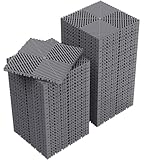
Standing water around a pool creates slip hazards and breeds mosquitoes, mold, and mildew. The underside of your pool deck tiles is just as important as the top surface because it controls how efficiently water escapes. Interlocking tiles typically feature a grid base that elevates the walking surface, allowing water to flow freely underneath toward drainage outlets.
Evaluate the depth of the drainage channels beneath the tile structure. A robust grid design ensures that heavy rainstorms or massive splashes drain rapidly toward your yard’s designated runoff points. Furthermore, proper sub-surface airflow prevents moisture from getting trapped against your concrete slab, which can cause structural cracking and unsightly staining over time.
Interlocking Mechanisms and Installation Ease
One of the main reasons homeowners choose modular deck tiles is the elimination of messy mortars, grouts, and professional masonry fees. Most snap-together tiles rely on a plastic peg-and-loop or tab-and-slot system that connects adjacent pieces in seconds without requiring specialized construction tools.
When shopping, inspect the durability and flexibility of the locking tabs. Flimsy plastic connectors can snap during installation or pull apart over time as the ground shifts under thermal expansion. A sturdy, flexible locking grid ensures the tiles remain uniform and trip-free, even on slightly uneven outdoor sub-bases.
Thickness, Weight, and Structural Stability
Tile thickness impacts both overall durability and how it transitions to adjacent landscape features like sliding doors, grass, or patio steps. Thinner tiles are lightweight and budget-friendly, but they may flex or crack under heavy patio furniture or high foot traffic volumes.
Heavier stone-topped or thick composite tiles offer a more solid, premium feel underfoot and resist shifting in high wind zones. However, ensure that your total build-up height—including the base grid—does not create a tripping hazard at doorways or pool coping edges. Always balance structural heft with the load-bearing limits of your sub-base.
Maintenance Demands and UV Resistance
Outdoor environments are unforgiving, and UV rays will relentlessly fade inferior materials over time. Natural woods require annual staining and sealing to prevent graying and splintering, while composite and plastic variants require little more than occasional washing with mild soap and water.
Assess your willingness to perform ongoing maintenance before selecting a high-maintenance natural material. If you prefer a hands-off approach, UV-stabilized polymers and high-grade porcelain require minimal upkeep while retaining their vibrant color profiles across seasons of intense sunlight exposure.
Related Guides
If you are actively comparing top-performing options on the market, check out our Best Pool Deck Tiles in 2026: Tested and Ranked to see how specific brands stack up against real-world testing criteria.
FAQ
Are pool deck tiles hard to install yourself?
Most interlocking systems are designed for straightforward DIY installation without specialized tools. You simply snap the tiles together over a flat, stable sub-base like concrete or compacted gravel.
Do pool deck tiles get dangerously hot in the sun?
It depends entirely on the material you choose. Composite and plastic tiles tend to retain less heat than dark stone or dense porcelain, keeping bare feet comfortable on scorching afternoons.
Can I install pool deck tiles directly over old cracked concrete?
Yes, interlocking deck tiles are an excellent way to conceal damaged or stained concrete. However, you must ensure the underlying slab is relatively level and drains properly to avoid pooling water beneath the tiles.
How do I clean debris out from underneath snap-together tiles?
You can usually flush out trapped dirt and leaves by spraying a high-pressure garden hose through the drainage gaps. For a deeper clean, modular tiles can be periodically unclipped, washed, and reassembled.