Selecting the right fire pit for your outdoor space can transform chilly evenings into cozy gatherings, but navigating the vast market of materials, fuel types, and designs is rarely straightforward. Whether you are upgrading your patio setup for 2026 or designing a brand-new backyard entertainment zone, cutting through the marketing noise is essential to finding a piece that actually lasts.
In this guide, we break down the core decision factors that separate a high-performing fire feature from a rusted, smoky hazard. By focusing on material durability, fuel source practicality, clearance safety, and overall heat output, you will be equipped to make a smart, long-term investment for your yard without wasting money on features you do not need.
As an Amazon Associate we earn from qualifying purchases at no extra cost to you.
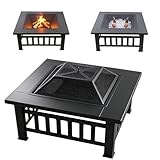
Fuel Type: Wood, Propane, or Natural Gas?
The very first choice you must make is how your fire pit will generate flame. Wood-burning models offer the classic campfire experience, complete with crackling sounds and natural aromatic wood smoke. However, they require constant maintenance, wood storage, and careful ash cleanup after every use. If you want a traditional atmosphere and do not mind getting your hands dirty, wood is the undisputed champion.
On the other hand, propane and natural gas fire pits offer instant ignition and smoke-free convenience. Propane units rely on an external or hidden tank, offering high mobility and easy control via a simple dial. Natural gas options require professional plumbing installation by a licensed contractor, but they eliminate the hassle of swapping empty tanks mid-party. Consider your local building codes and how often you plan to entertain before committing to a fuel source.
Material Quality and Weather Durability
A fire pit lives outdoors year-round, making material composition the ultimate test of longevity. Cheap steel bowls often rust through within two or three seasons if left unprotected. If you prefer a metallic finish, look for heavy-gauge stainless steel or powder-coated aluminum that resists corrosion and thermal shock.
Alternative materials like concrete, cast stone, and heavy masonry offer exceptional thermal retention and structural weight, preventing them from tipping over in high winds. However, concrete and stone require proper winter sealing or full coverage to prevent freeze-thaw cracking during freezing temperatures. Always prioritize thicker walls and weather-resistant sealants over purely aesthetic finishes.
Sizing, Clearance, and Backyard Layout
Scale matters immensely when integrating a fire pit into your patio design. A massive stone fire bowl will completely overwhelm a small urban balcony, while a tiny tabletop unit looks lost in the center of a sprawling stone patio. Measure your available seating radius and ensure you leave plenty of walking space around the perimeter of the fire.
Safety clearance is equally critical. You must maintain safe distances from overhangs, patio umbrellas, vinyl siding, and low-hanging tree branches. Check your local municipal codes regarding open flames, as many suburban areas enforce strict distance rules from property lines and structures before you even purchase your equipment.
Smoke Management and Airflow Technology
Traditional fire pits often fill your patio with thick, eye-watering smoke because they lack proper secondary combustion airflow. Modern smokeless fire pits utilize double-wall construction and bottom-vent holes to pull cool air upward, superheating it and burning off smoke particles before they escape into the air.
If you hate smelling like a campfire long after the evening ends, investing in a smokeless design is well worth the extra upfront cost. These units are especially beneficial in close neighborhood settings where excess smoke can easily drift into adjacent yards and irritate nearby residents.
Portability Versus Permanent Installation
Do you plan on rearranging your backyard furniture frequently, or do you want a permanent focal point anchoring your patio? Portable steel fire rings and lightweight bowls can be packed into a car trunk for camping trips or tucked away in a shed during heavy storms. They offer unmatched versatility for dynamic outdoor spaces.
Conversely, built-in masonry fire pits or heavy gas fire tables become permanent architectural elements of your landscape. They often include matching seating walls, built-in lighting, and expansive ledge surfaces for drinks. Decide whether your lifestyle favors flexibility or architectural permanence before browsing styles.
When to Spend More on Premium Features
It is easy to find budget-friendly fire rings at big-box retailers, but premium pricing usually correlates with superior engineering, heavier materials, and advanced burner systems. You should spend more if you want automated electronic ignition, commercial-grade burners, high-end tempered glass guards, or specialized smokeless airflow chambers.
Conversely, if you only use your patio a few times a year, a mid-range unit with a solid warranty will serve you just fine. Avoid paying heavily for decorative ceramic tiles or faux-wood paint finishes that inevitably chip and degrade under harsh UV rays and rain.
Related Guides
For more backyard upgrade ideas, check out our curated roundup of the Best Fire Pits for Backyard in 2026: Compared and Ranked. If you are looking to create a complete relaxation oasis, you might also want to explore our expert picks for the Best Inflatable Hot Tubs for Backyard in 2026: Compared and Ranked to elevate your outdoor space.
FAQ
Can I put a fire pit on a wooden deck?
Standard wood or gas fire pits should never be placed directly on a wooden deck without a specialized heat-shielding pad or insulation barrier. Extreme radiant heat can scorch, warp, or ignite combustible decking materials. Always check manufacturer guidelines and use a certified deck protector.
How far should a fire pit be from my house?
Most safety guidelines and local fire codes recommend keeping a portable fire pit at least ten to fifteen feet away from your house, exterior walls, fences, and overhanging trees. Gas fire pits may have slightly different clearance requirements based on tank placement and local codes.
Is propane or wood better for entertaining?
Propane is generally better for frequent, low-maintenance entertaining because it ignites instantly, produces no messy smoke, and shuts off cleanly with a twist of a knob. Wood offers a traditional aesthetic and authentic campfire ambiance, but requires much more active management and cleaning.
How do I protect my fire pit during winter?
The best way to protect your fire pit is to invest in a heavy-duty, waterproof cover that fits snugly over the entire unit. For concrete or masonry models, ensure they are thoroughly dry and treated with a protective masonry sealer to prevent moisture absorption and cracking during freezing cycles.